

- ? The Hormonal Clock: How Sleep Reflects Inner Balance
- ⚡ When Pressure Builds: The Endocrine Response to Stress
- ? Mood, Motivation & Mind: Hormones Behind Every Emotion
- ? Metabolism & Energy: Your Inner Engine’s Secret Control
- ⚕️ Disruptions & Disorders: When the System Falters
- ? The Path to Balance: Natural, Science-Backed Hormone Support
- ❓ Frequently Asked Questions
- ? Final Reflection: The Body That Listens
This delicate network of glands and hormones is the body’s communication highway, transmitting microscopic messages that keep everything in balance. When it performs in harmony, life feels effortless — but when even one hormone falls out of rhythm, the entire body feels the discord. Fatigue, mood swings, anxiety, insomnia, or unexplained weight changes often trace back to this hidden system.
Understanding how the endocrine system works isn’t just science — it’s self-awareness. It’s the knowledge that behind every feeling of calm, every restless night, and every craving for sugar, there’s a biological story waiting to be told.
? The Hormonal Clock: How Sleep Reflects Inner Balance
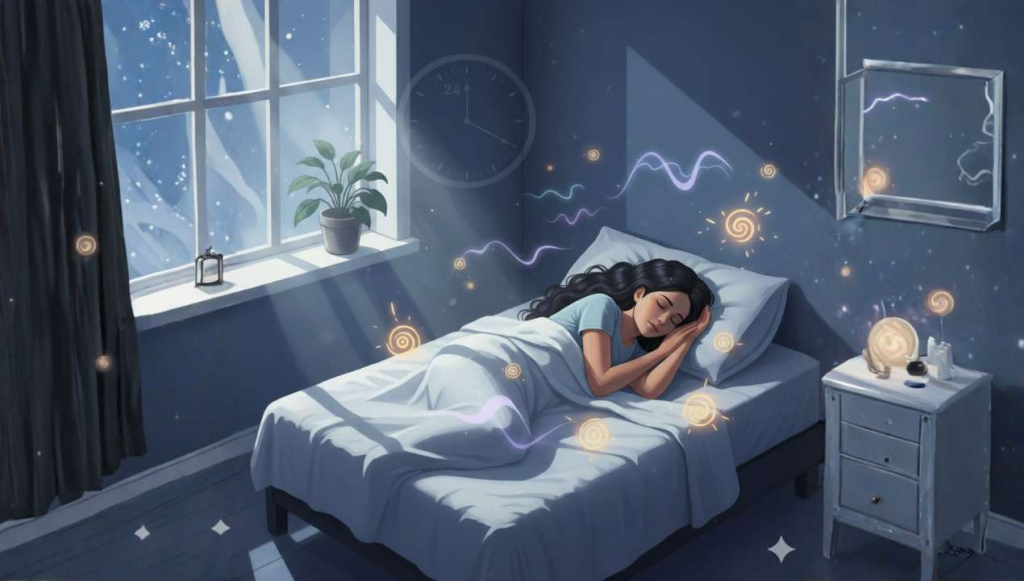
Picture the body as a city that never shuts down. Every night, as the lights dim and the world slows, a hormone called melatonin rises to signal rest. Produced by the pineal gland, melatonin is the brain’s gentle whisper telling the body it’s time to sleep. When night falls, darkness activates its release; when morning comes, light shuts it down — creating the natural rhythm known as the circadian cycle.
But the modern American lifestyle disrupts this rhythm daily. Late-night scrolling, artificial light, and stress all suppress melatonin, leaving millions wide awake long after midnight. Sleep deprivation then triggers another hormonal reaction — a surge in cortisol, the body’s stress hormone, which keeps the mind alert when it should be resting.
Poor sleep and high cortisol form a vicious cycle: sleeplessness raises stress levels, and stress further disturbs sleep. Even the thyroid gland, which regulates metabolism, joins the imbalance — with overactivity causing restlessness and underactivity leading to fatigue.
Restoring natural sleep patterns begins with routine. Consistent bedtimes, reduced screen exposure, and natural light in the morning help re-train the body’s internal clock — allowing the hormonal symphony to find its rhythm again.
⚡ When Pressure Builds: The Endocrine Response to Stress

Stress is not inherently bad — it’s survival in motion. The adrenal glands, perched like small caps above the kidneys, release cortisol and adrenaline when danger or pressure arises. These hormones sharpen focus, quicken heartbeat, and flood muscles with energy — preparing the body for action.
Yet in modern America, that “fight-or-flight” switch stays on far too long. Deadlines, bills, traffic, and constant notifications trick the endocrine system into believing danger never ends. The result? Cortisol levels remain high, leading to anxiety, high blood pressure, weight gain, and disrupted sleep.
Eventually, the adrenal glands tire out — a condition often described as adrenal fatigue. Symptoms like afternoon crashes, irritability, and brain fog become common. The body stops responding to caffeine or rest because the hormonal system itself is overworked.
Managing this hormonal stress loop requires intentional stillness: exercise to metabolize cortisol, meditation to lower it, and mindfulness to reset the brain’s perception of threat. Over time, calm becomes the new signal — and the endocrine system learns peace again.
Product Suggestion: Stress-relief supplement
? Mood, Motivation & Mind: Hormones Behind Every Emotion

Every emotion that colours daily life — joy, calm, anxiety, or irritation — carries the fingerprint of hormones. The thyroid, adrenal, and reproductive glands together form the mood-regulation triangle, influencing how people feel, think, and react.
In women, fluctuations in estrogen and progesterone influence serotonin, the neurotransmitter responsible for happiness and calm. When these hormones dip, especially before menstruation or during menopause, mood swings and anxiety often appear. In men, declining testosterone levels can reduce motivation, confidence, and focus — changes often mistaken for stress or burnout.
Then there’s cortisol, the double-edged hormone. In balanced amounts, it helps people wake up and face the day. In excess, it amplifies anxiety and irritability. Pair that with serotonin imbalance, and the result is emotional turbulence that feels hard to explain.
Balancing mood begins with biology — supporting the body’s ability to create and regulate hormones naturally. Regular physical activity, balanced nutrition, and proper rest aren’t just habits; they’re biochemical therapy.
Product Suggestion: Mood-support vitamins such as B-complex or magnesium
? Metabolism & Energy: Your Inner Engine’s Secret Control

Why do some people burn calories effortlessly while others struggle despite dieting? The answer often lies not in willpower but in hormones.
At the center of metabolic control is the thyroid gland, a butterfly-shaped organ in the neck that secretes the hormones T3 and T4. These regulate how fast the body converts food into energy. When thyroid function slows (hypothyroidism), metabolism stalls — causing fatigue and weight gain. When it speeds up (hyperthyroidism), anxiety, rapid heartbeat, and weight loss follow.
Alongside the thyroid, the pancreas manages blood sugar through insulin, ensuring that glucose enters cells for energy. When insulin becomes less effective — often due to diet and stress — blood sugar spikes, paving the way for conditions like type 2 diabetes, a growing epidemic across the United States.
Cortisol also plays a hidden role in metabolism. Chronic stress pushes the body to store fat around the abdomen and burn muscle for quick energy — the opposite of what most people want.
Supporting metabolic health begins with stable routines: nutrient-dense meals, movement every day, hydration, and rest. The body isn’t a machine to push harder — it’s an ecosystem to nurture.
Product Suggestion: Blood-sugar monitor or thyroid support supplement
⚕️ Disruptions & Disorders: When the System Falters

When the endocrine system falls out of balance, symptoms often appear quietly — and grow over time. Recognizing early signs is key to preventing long-term complications.
1. Diabetes Mellitus
The most common endocrine disorder in the U.S., diabetes results from disrupted insulin production or use. Persistent fatigue, excessive thirst, or frequent urination are early warnings. Long-term, it can affect nerves, eyes, and blood vessels.
2. Thyroid Disorders
An underactive thyroid (hypothyroidism) slows metabolism, causing fatigue and weight gain. An overactive one (hyperthyroidism) speeds everything up, leading to anxiety and insomnia. Millions of Americans live undiagnosed, mistaking symptoms for everyday stress.
3. Adrenal Fatigue & Chronic Stress
Prolonged emotional or physical stress can exhaust the adrenal glands, leading to low energy, lightheadedness, and mood instability. This condition often improves through lifestyle changes — rest, balanced nutrition, and reduced stimulant intake.
4. Hormonal Imbalances in Men & Women
From PMS to menopause to testosterone decline, reproductive hormones directly affect sleep, energy, and mental health. Understanding these cycles allows individuals to respond with awareness instead of frustration.
Product Suggestion: Hormone-support or stress-management product
? The Path to Balance: Natural, Science-Backed Hormone Support
Healing the endocrine system isn’t about quick fixes — it’s about restoring harmony through consistent, daily choices.
1. Eat for Hormonal Health
A diet rich in omega-3 fatty acids, fibre, and antioxidants fuels hormone production. Whole grains, leafy greens, avocados, and fatty fish like salmon help reduce inflammation and stabilize insulin.
[Affiliate Product Suggestion: Omega-3 or multivitamin]
2. Move with Purpose
Exercise isn’t just about burning calories — it’s communication with hormones. Resistance training boosts testosterone, yoga lowers cortisol, and walking after meals improves insulin sensitivity.
3. Sleep as a Strategy
Sleep is when the endocrine system resets. A consistent bedtime, cool room, and reduced blue-light exposure allow melatonin and growth hormone to work naturally overnight.
4. Manage Stress Proactively
Meditation, deep breathing, journaling, or nature walks lower cortisol levels. Over time, these habits re-teach the brain that calm is safe.
5. Support with Natural Supplements (If Needed)
Vitamins like B-complex, D3, and magnesium, or adaptogens such as ashwagandha and Rhodiola, can support gland function when lifestyle alone isn’t enough.
Product Suggestion: Adaptogenic or vitamin supplement
Consistency is the secret. The endocrine system thrives on rhythm — sleep, meals, activity, and rest all reinforcing stability. Every small habit becomes a signal telling the body, “You’re safe. You can heal.”
❓ Frequently Asked Questions
1. What is the endocrine system?
A network of glands that secrete hormones to regulate metabolism, sleep, mood, and stress response.
2. How do hormones influence everyday life?
They manage energy, appetite, emotions, and physical growth, shaping how you feel and function daily.
3. What causes a hormonal imbalance?
Poor diet, chronic stress, lack of sleep, and environmental toxins can disrupt hormonal communication.
4. Can stress really change hormone levels?
Yes. Continuous stress keeps cortisol elevated, affecting metabolism, mood, and reproductive hormones.
5. Which glands are most important?
The pituitary, thyroid, adrenal, pancreas, ovaries/testes, and pineal glands form the body’s hormonal core.
6. What are the signs of an endocrine disorder?
Fatigue, unexplained weight change, poor sleep, or mood swings that persist for weeks or months.
7. Can lifestyle changes restore balance?
Absolutely. Consistent nutrition, sleep, movement, and stress management can reset hormonal patterns.
8. Are supplements necessary?
Not always, but targeted vitamins or adaptogens can complement lifestyle adjustments.
9. When should someone see a doctor?
If symptoms like extreme fatigue, rapid weight gain/loss, or persistent anxiety continue despite self-care.
10. How long does it take to balance hormones naturally?
Most people notice improvement within a few weeks of consistent healthy habits, though chronic conditions may take months.
? Final Reflection: The Body That Listens
The endocrine system doesn’t shout for attention; it whispers. It responds to food, light, emotion, and thought — all forming the dialogue between mind and body. By listening to those whispers early — the restless nights, the unexplained fatigue, the cravings — people can prevent imbalance before it becomes illness.
Balancing hormones isn’t about restriction; it’s about rhythm. When lifestyle, sleep, stress, and nourishment align, the body returns to its natural harmony. And in that harmony lies the quiet power of true wellness.