Acne has a way of arriving uninvited and overstaying its welcome. For many people, it begins quietly — a single breakout before an important event — and gradually turns into a persistent concern that affects confidence, self-image, and daily routines. In health and beauty journeys, acne is not just a skin condition; it often becomes an emotional one.
This article explores acne through a holistic lens, following the experience of countless individuals who seek gentler, safer, and more sustainable solutions. Instead of harsh chemicals or quick fixes, many turn toward natural remedies for acne, embracing time-tested practices that support skin health from the inside out.
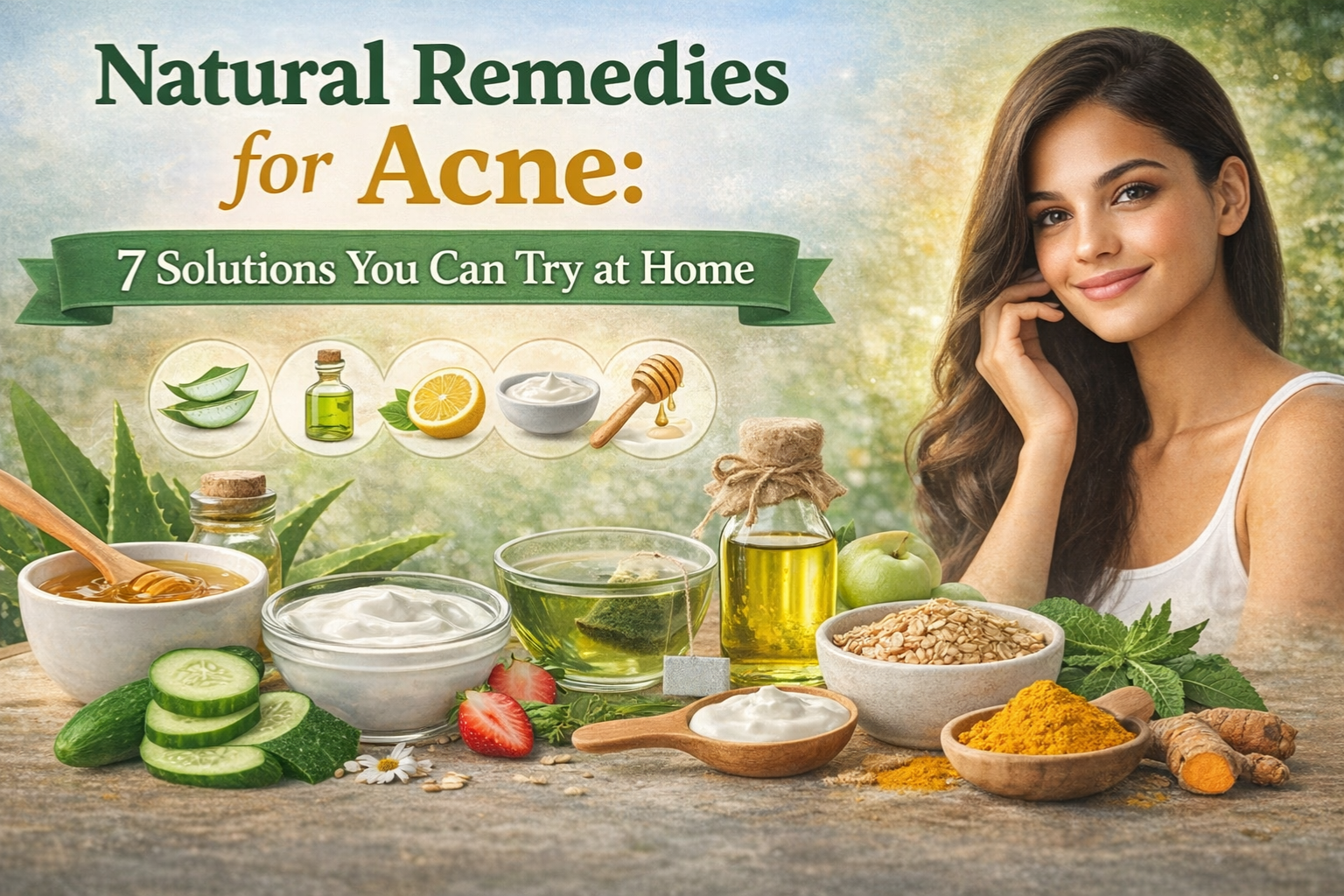
In this comprehensive guide, readers will discover 7 effective natural solutions that can be tried at home, understand why acne happens, and learn how consistent skincare habits can transform troubled skin into healthier, calmer skin over time.
Understanding Acne: Why It Happens
Acne develops when hair follicles become clogged with excess oil, dead skin cells, and bacteria. Hormonal fluctuations, stress, diet, genetics, and improper skin care routines all play a role. While acne is commonly associated with teenagers, adults experience it just as frequently — sometimes even more stubbornly.
The skin, as the body’s largest organ, reflects internal imbalances. When inflammation rises or digestion struggles, the skin often responds with breakouts. This is why natural acne treatment focuses not only on surface care but also on internal balance.
Why Choose Natural Remedies for Acne?
Many commercial acne treatments rely on strong ingredients that strip the skin of its natural oils. While these products may reduce oil temporarily, they often weaken the skin barrier, leading to dryness, irritation, and rebound breakouts.
Natural remedies, on the other hand:
- Support the skin’s natural healing process
- Reduce inflammation gently
- Improve long-term skin health
- Are affordable and accessible
- Minimize the risk of harsh side effects
For readers seeking a calmer, more balanced approach to skin care, home remedies offer a compelling alternative.
7 Natural Remedies for Acne You Can Try at Home
1. Aloe Vera: Nature’s Soothing Healer
Aloe vera has been used for centuries for its healing and anti-inflammatory properties. For acne-prone skin, aloe vera helps calm redness, reduce irritation, and promote skin repair.
Applied directly from the plant or as pure gel, aloe vera can help soothe active breakouts and support faster healing of acne scars. Its antibacterial properties also help prevent new pimples from forming.
How to use:
- Apply fresh aloe vera gel to clean skin
- Leave it on overnight or rinse after 20 minutes
- Use daily for best results
2. Tea Tree Oil: A Natural Antibacterial Solution
Tea tree oil is widely known for its ability to fight acne-causing bacteria. Unlike harsh chemical treatments, it works gradually, reducing inflammation without excessively drying the skin.
Diluted tea tree oil helps unclog pores and calm swollen pimples.
How to use:
- Mix 1–2 drops of tea tree oil with a carrier oil (like coconut or jojoba oil)
- Apply to affected areas using a cotton swab
- Use once daily
3. Honey: Gentle Yet Powerful
Raw honey, especially manuka honey, offers antibacterial and moisturizing benefits. It helps reduce acne while maintaining the skin’s natural moisture balance.
Honey also supports wound healing, making it ideal for sensitive or inflamed skin.
How to use:
- Apply a thin layer of raw honey to clean skin
- Leave on for 15–20 minutes
- Rinse with lukewarm water
4. Green Tea: Fighting Acne from Within and Without
Green tea contains antioxidants that reduce inflammation and regulate oil production. When used topically or consumed regularly, it can support clearer skin.
Topical green tea helps reduce redness and swelling, while drinking it supports internal detoxification.
How to use:
- Brew green tea and let it cool
- Apply with a cotton pad or use as a facial mist
- Drink 1–2 cups daily for added benefits
5. Apple Cider Vinegar: Balancing Skin pH
Apple cider vinegar helps restore the skin’s natural pH and fights acne-causing bacteria. It also helps exfoliate dead skin cells that clog pores.
Because it is strong, dilution is essential.
How to use:
- Mix 1 part apple cider vinegar with 3 parts water
- Apply using a cotton pad
- Rinse after 5 minutes
6. Turmeric: Reducing Inflammation Naturally
Turmeric is a powerful anti-inflammatory and antibacterial spice. It helps calm active acne and reduce post-acne marks.
Used as a face mask, turmeric can brighten the skin and improve overall tone.
How to use:
- Mix turmeric powder with honey or yogurt
- Apply as a mask for 10–15 minutes
- Use once or twice a week
7. Proper Skin Care Routine with Natural Products
Natural remedies work best when paired with a consistent skincare routine. Gentle cleansing, proper hydration, and avoiding pore-clogging products are essential steps.
A simple routine using natural cleansers, lightweight moisturizers, and sun protection supports long-term acne management.
Lifestyle Habits That Support Acne-Free Skin
Natural acne treatment is incomplete without lifestyle awareness. Small daily habits often make a significant difference:
- Drinking enough water
- Managing stress through mindfulness or exercise
- Eating a balanced diet rich in fruits and vegetables
- Avoiding excessive sugar and processed foods
- Getting adequate sleep
Skin health reflects overall wellness.
Frequently Asked Questions (FAQs)
1. What is the best natural remedy for acne?
The best natural remedies depend on skin type, but aloe vera, tea tree oil, and honey are among the most effective for reducing inflammation and killing bacteria.
2. Can home remedies help reduce acne?
Yes, consistent use of home remedies can reduce acne by addressing inflammation, excess oil, and clogged pores naturally.
3. How can I treat acne with natural ingredients?
Acne can be treated using ingredients such as aloe vera, turmeric, green tea, and honey, when combined with a gentle skincare routine.
4. How long do natural acne remedies take to work?
Most natural remedies show visible improvement within 4–6 weeks with consistent use.
5. Are natural remedies safe for sensitive skin?
Many natural remedies are gentle, but patch testing is recommended to avoid irritation.
6. Can diet affect acne?
Yes, diets high in sugar and processed foods may worsen acne, while whole foods support clearer skin.
7. Is it okay to use multiple natural remedies together?
It is best to introduce remedies one at a time to monitor skin response.
8. Does stress cause acne?
Stress can trigger hormonal changes that worsen acne, making stress management important.
9. Can natural remedies prevent acne scars?
Reducing inflammation early can lower the risk of scarring, but results vary.
10. When should someone see a dermatologist for acne?
If acne is severe, painful, or persistent despite home care, professional advice is recommended.
Final Thoughts
Acne does not disappear overnight, and no remedy works instantly. However, with patience, consistency, and the right combination of natural remedies, skincare habits, and lifestyle adjustments, clearer skin is achievable.
For health-conscious readers seeking long-term solutions, natural acne treatments offer a gentle yet effective path toward healthier, more balanced skin.