
When the temperature drops and sniffles begin to spread like wildfire, most people instinctively reach for over-the-counter medications. But long before pharmacy shelves lined up with synthetic pills, grandmothers, herbalists, and healers had already perfected the art of home healing. This article is a deep dive into natural cold and flu remedies—ones that not only provide comfort but also support your immune system the way nature intended.
Let’s follow Sarah, a young mother from Minnesota, whose toddler brought home a cold from preschool. Instead of rushing to the store, she turns to her kitchen and garden cabinet—ginger, honey, garlic, turmeric, and steam—and begins the time-tested ritual of natural healing passed down by generations.
🌿 The Power of Natural Healing
Long before commercial medicine, cultures across the world relied on herbs, spices, and food-based remedies to treat respiratory infections. Ayurveda, Traditional Chinese Medicine (TCM), and Western herbalism all emphasize supporting the body’s natural defences rather than suppressing symptoms.
When you treat a cold or flu naturally, you’re doing more than reducing sneezes—you’re boosting your immune system, nourishing your body, and potentially shortening the duration of the illness.
🍯 Top 10 Natural Cold and Flu Remedies You Can Use at Home
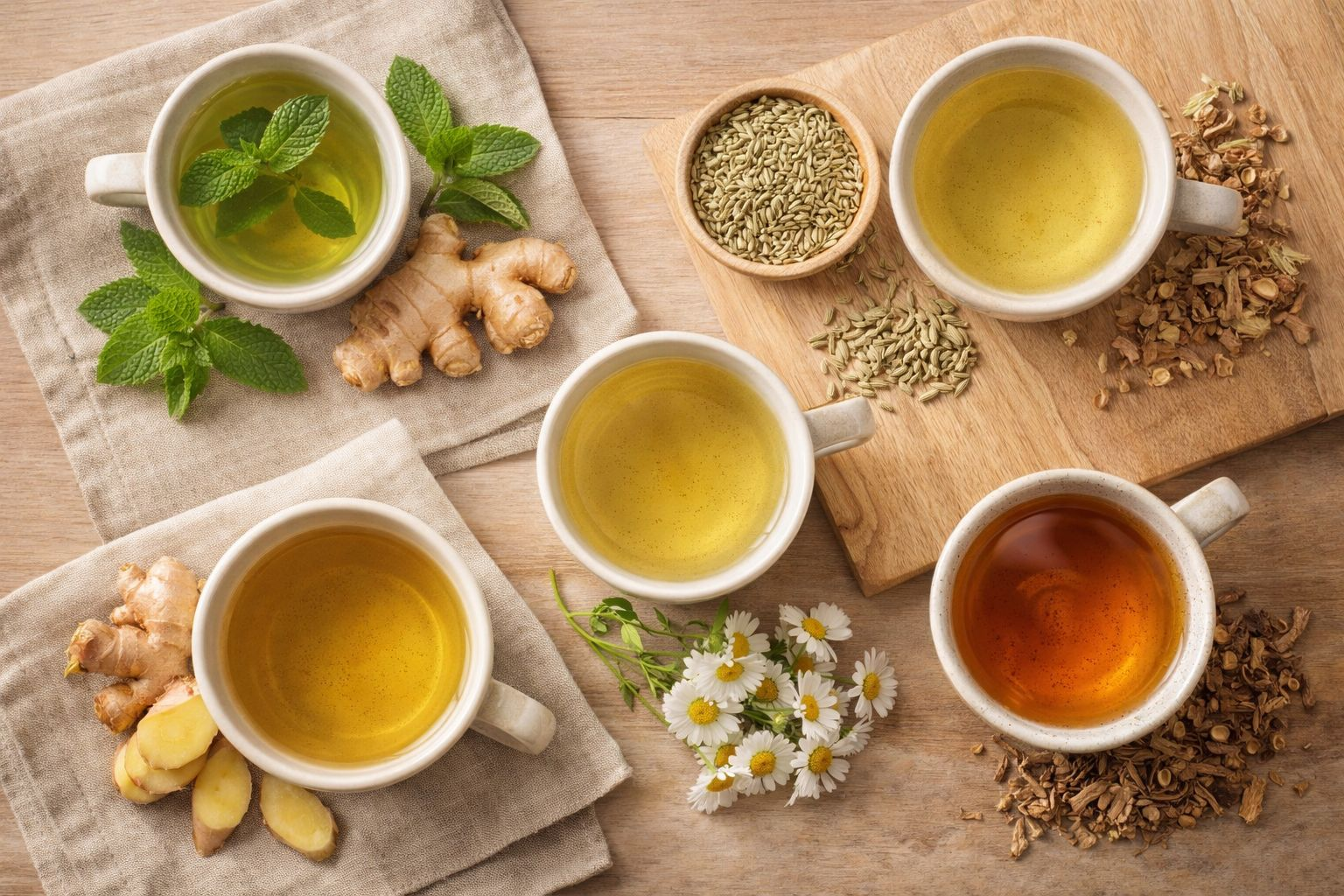
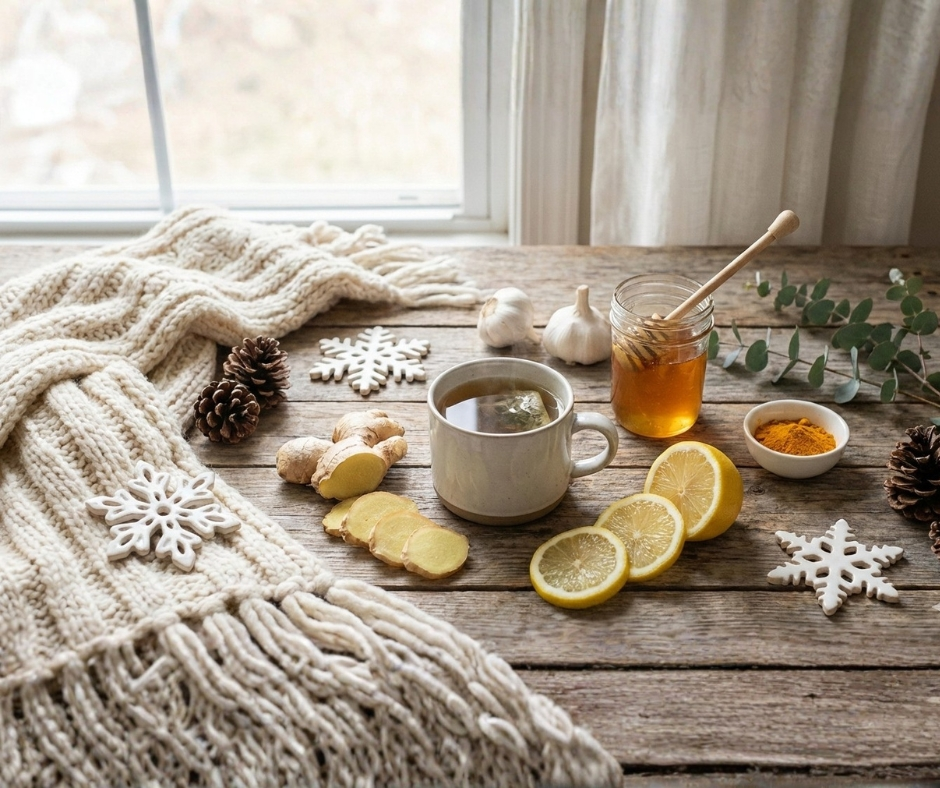
1. Ginger & Honey Tea: The Soothing Sipper
Sarah starts her day by simmering slices of fresh ginger in water and adding raw honey. Ginger is a known anti-inflammatory, while honey coats the throat and has antiviral properties.
How to Make It:
- Slice 1 inch of ginger and simmer in 2 cups of water for 10 minutes.
- Strain and stir in 1 tablespoon of raw honey.
- Drink 2–3 times daily.
2. Garlic Soup: The Antiviral Warrior
Garlic isn’t just for cooking—it’s a potent immune booster with natural antiviral, antifungal, and antibacterial properties.
Sarah’s Tip: When her family is sick, she simmers garlic with onions, broth, and thyme for a healing soup. The sulphur compounds in garlic, particularly allicin, help break up chest congestion and fight infection.
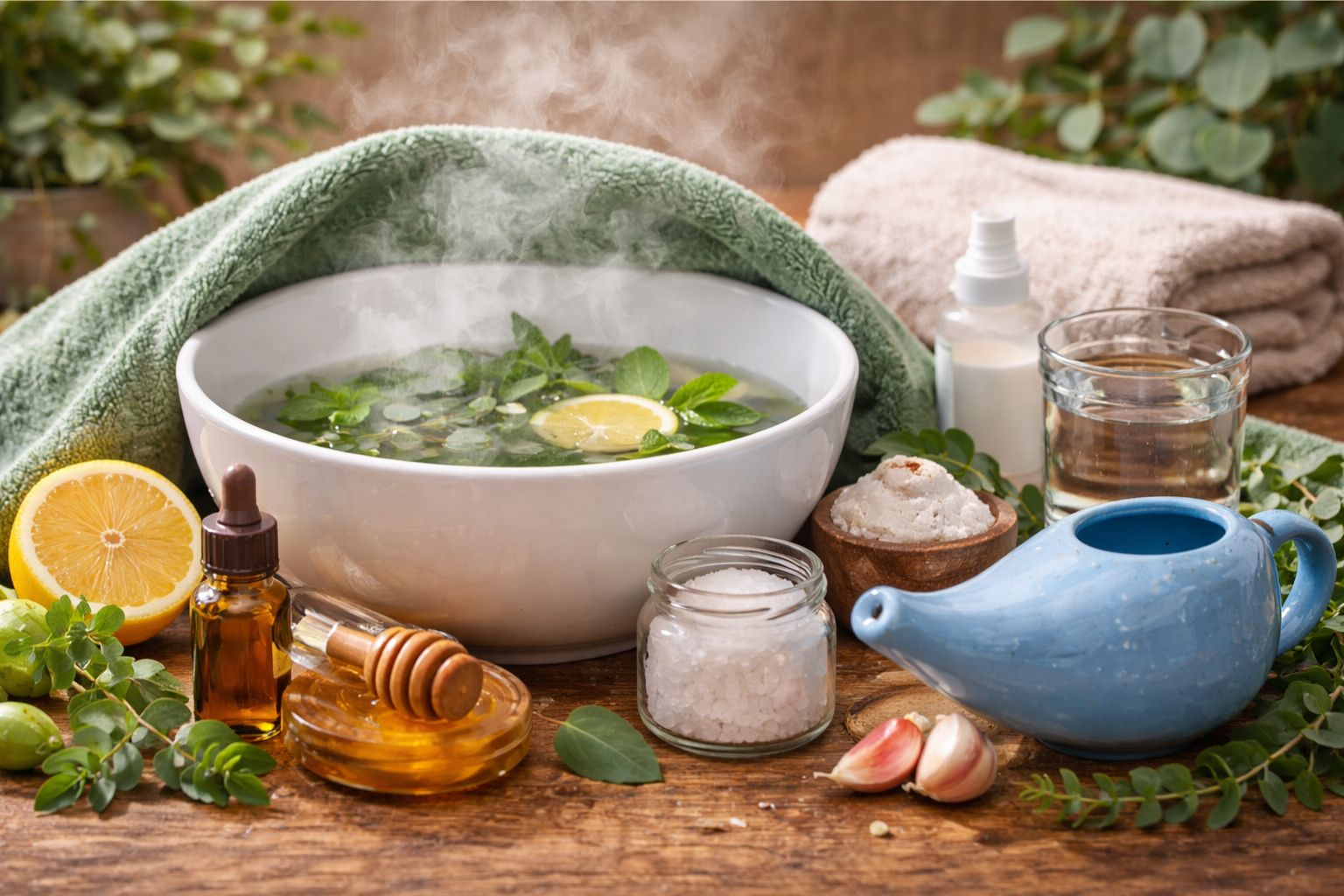
3. Steam Inhalation: The Congestion Cutter
Boiling water, essential oils like eucalyptus or peppermint, and a towel are all you need to relieve sinus pressure and congestion.
How to Use:
- Boil 4 cups of water and pour it into a bowl.
- Add 2–3 drops of eucalyptus or peppermint oil.
- Drape a towel over your head and inhale for 5–10 minutes.
4. Elderberry Syrup: The Immune Booster
Elderberries are rich in antioxidants and flavonoids that have been shown to reduce flu symptoms and shorten duration.
Make Your Own Syrup:
- Simmer dried elderberries with cinnamon, cloves, and ginger.
- Strain and mix with raw honey.
- Take 1 tsp daily for prevention or 3 times daily when sick.
5. Salt Water Gargle: The Throat Soother
A classic remedy for sore throats and mouth bacteria.
How to Use:
- Mix ½ tsp of sea salt in warm water.
- Gargle for 30 seconds, 3–4 times a day.
6. Turmeric Milk (Golden Milk): The Anti-Inflammatory Elixir
Turmeric contains curcumin, a compound known for its anti-inflammatory and antioxidant benefits.
Recipe:
- Heat 1 cup milk (plant or dairy).
- Add ½ tsp turmeric, a pinch of black pepper, and honey.
- Sip before bedtime to soothe the throat and boost immunity.
7. Bone Broth: The Nourishing Healer
Rich in amino acids and minerals, bone broth helps maintain hydration, soothes inflammation, and supports gut health—key for strong immunity.
Tip: Add garlic, ginger, and veggies to amplify its healing effect.
8. Onion Poultice: The Forgotten Remedy
Old folk remedies often used warm onion poultices placed on the chest to break up mucus and support circulation.
Sarah’s Grandma’s Tip: Slice and lightly sauté onions, wrap them in a clean cloth, and place them on the chest for 20 minutes while lying down.
9. Vitamin C from Real Foods
While supplements help, fresh fruits like oranges, kiwi, and berries provide better absorption of Vitamin C, which boosts white blood cell production.
Try This: Make a citrus salad with oranges, grapefruit, lemon zest, and a drizzle of honey.
10. Hydration + Rest = Recovery
No matter the remedy, the body heals best when well-rested and hydrated. Drink plenty of fluids—water, herbal teas, broths—and get at least 8–10 hours of sleep.
🛑 Things to Avoid During Cold & Flu
- ❌ Dairy products (can increase mucus in some people)
- ❌ Refined sugar (suppresses immune function)
- ❌ Overexertion (rest is essential to recover)
- ❌ Cold drinks or ice (can aggravate sore throats and slow digestion)
🧠 The Science Behind These Remedies
Research supports many of these home-based treatments:
- Honey has been shown in pediatric studies to be more effective than cough syrups for nighttime cough.
- Elderberry may reduce flu duration by 2–4 days.
- Garlic can enhance immune cell function and help reduce the frequency of colds.
🧼 Daily Immune-Boosting Habits to Prevent Cold & Flu
- Wash your hands frequently
- Get regular sunlight or Vitamin D
- Practice nasal hygiene (neti pot or saline spray)
- Stay physically active
- Use stress-reduction techniques like deep breathing or yoga
Sarah now includes immune-boosting practices year-round. Her pantry isn’t just for food—it’s her family’s pharmacy.
🙋 10 FAQs About Home Cold and Flu Remedies
1. What is the fastest home remedy for a cold?
Ginger tea with honey, rest, and steam inhalation can ease symptoms quickly and provide comfort within hours.
2. How can I relieve flu symptoms at home?
Stay hydrated, sip on elderberry syrup, use essential oil steam, and rest. Include nourishing foods like soups and teas.
3. What natural remedy is good for a sore throat?
Saltwater gargles, honey, and warm turmeric milk soothe irritation and reduce inflammation.
4. Can garlic really help with colds?
Yes, garlic contains antiviral and antibacterial compounds that support immune response and clear up congestion.
5. Is it safe to use herbal teas every day?
In moderation, yes. Teas like chamomile, peppermint, and ginger are generally safe for daily use unless you have specific allergies or medical conditions.
6. How does steam inhalation help?
Steam helps loosen mucus, reduce sinus pressure, and clear nasal passages naturally—especially when enhanced with eucalyptus oil.
7. Can children use these remedies?
Most remedies like broths, teas (in mild forms), and honey (only for kids over 1) are safe. Always consult a pediatrician before introducing herbal supplements.
8. What foods should I avoid during a cold?
Limit sugar, fried foods, dairy (if mucus increases), and processed items that suppress immune function.
9. Does elderberry actually prevent flu?
Some studies suggest that elderberry can reduce flu symptoms and duration, particularly when taken at the onset of the illness.
10. When should I see a doctor instead?
If symptoms worsen after 3 days, including high fever, shortness of breath, or chest pain, consult a healthcare provider immediately.
🧡 Final Thoughts
Home remedies for cold and flu aren’t just about quick fixes—they’re about working with the body, not against it. With a kitchen full of immune-boosting ingredients and a little knowledge, you can build a powerful toolkit of natural remedies that work with your body’s rhythms.
Sarah’s family now rarely needs OTC medications. She’s living proof that the best pharmacy might be your pantry.
Loved these remedies? Bookmark this guide, and stay prepared for cold and flu season—naturally.
Related Blogs: