The Weight We Carry In a quiet suburban neighbourhood, Maria, a 42-year-old teacher and mother of two, found herself awake at 3 a.m. again. Her heart raced, her thoughts spiralled, and no amount of deep breathing seemed to help. It wasn’t the first time she had felt this way. Like millions around the world, Maria was dealing with stress and anxiety—the silent burdens of modern life.
- 1. Chamomile Tea – The Herbal Hug
- 2. Lavender Aromatherapy – Calm in the Air
- 3. Mindful Breathing and Meditation – Reclaiming the Present
- 4. Epsom Salt Baths – Soothe the Body, Calm the Mind
- 5. Herbal Adaptogens – Nature’s Balancers
- 6. Movement and Exercise – Anxiety’s Natural Antidote
- 7. Nutrient-Rich Foods – Eat to Beat Anxiety
- Lifestyle Enhancers to Complement These Remedies
- Final Thoughts
- Frequently Asked Questions (FAQs)
But unlike before, this time Maria decided to make a shift—not with prescription pills or quick fixes, but by returning to natural wisdom. Through simple, consistent home remedies and lifestyle changes, she began to rediscover a sense of calm she hadn’t felt in years.
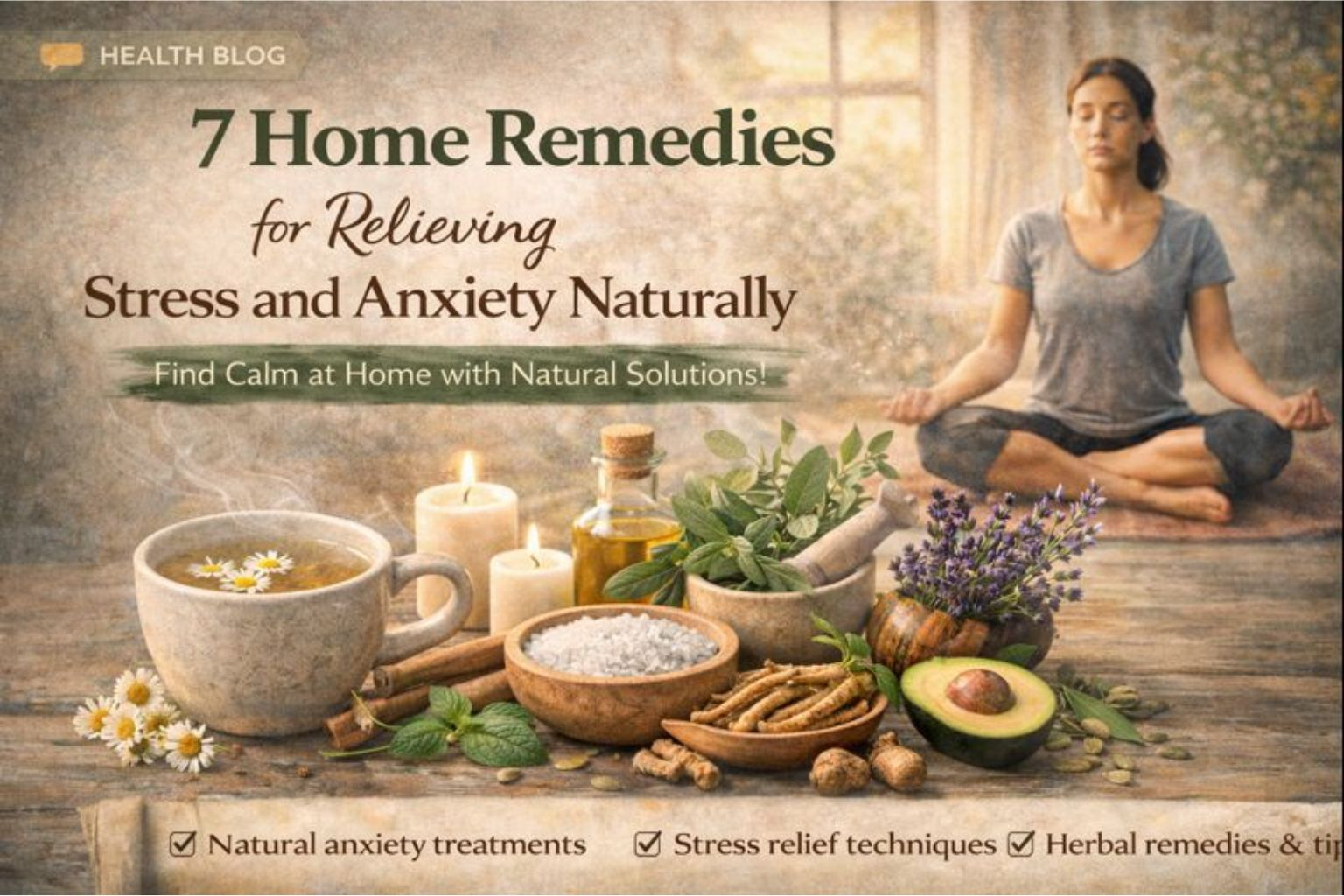
Maria’s journey mirrors that of many seeking relief without side effects. This article explores 7 powerful and natural home remedies that offer a gentle yet effective path to stress relief and anxiety management.
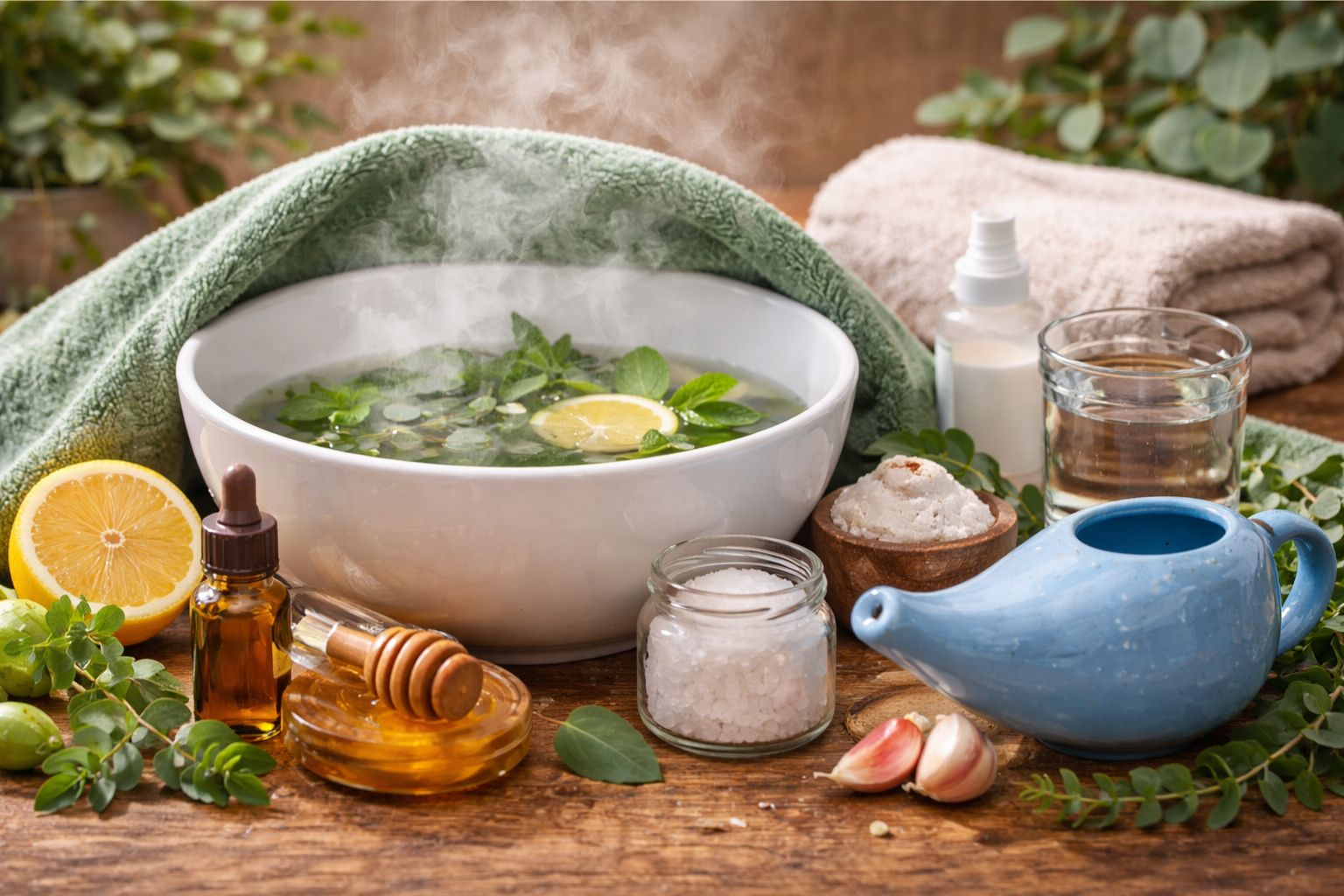
1. Chamomile Tea – The Herbal Hug
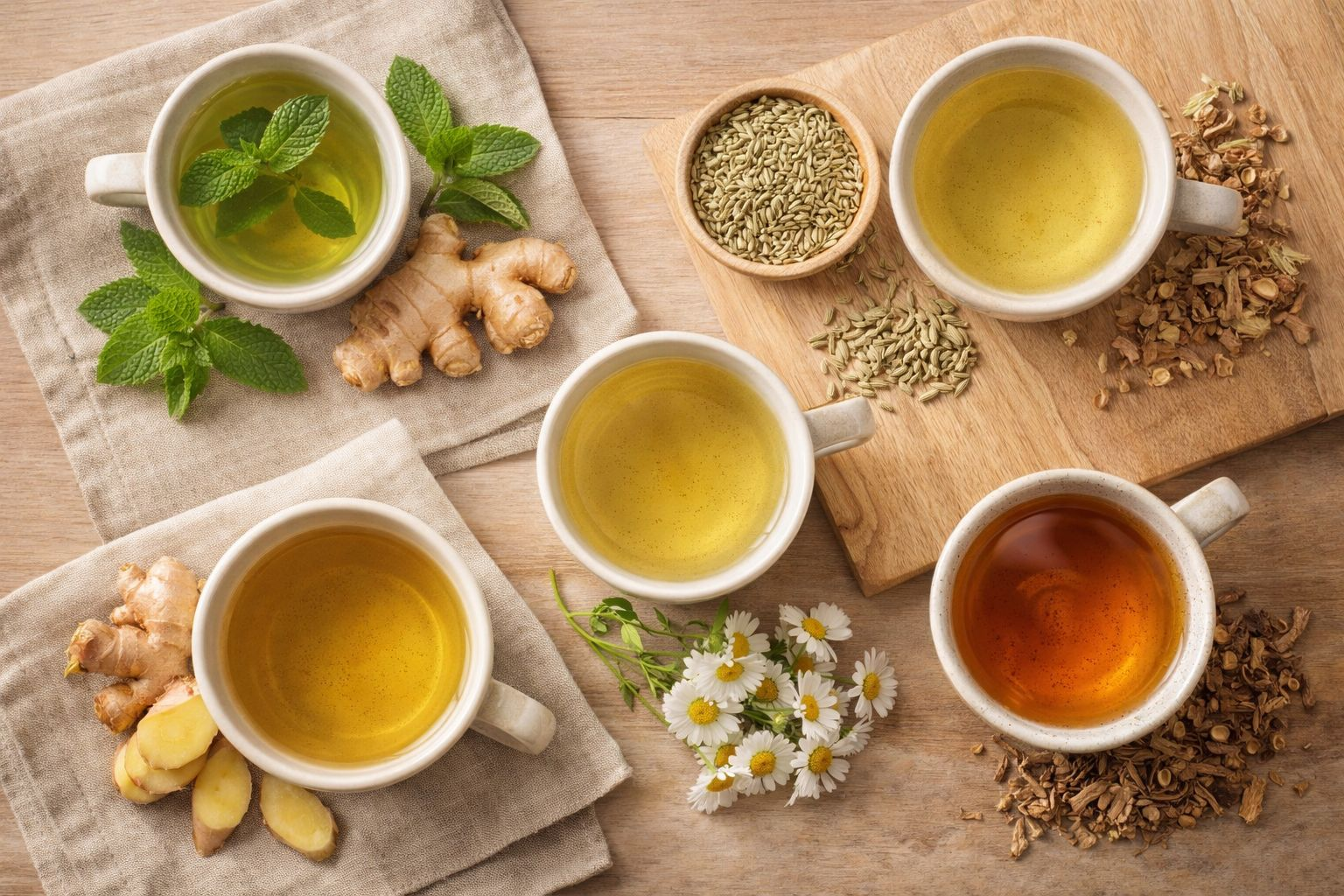
Chamomile has been used for centuries to soothe frazzled nerves. Known for its mild sedative properties, this daisy-like herb is a go-to remedy for people struggling with anxiety, insomnia, and irritability.
Why it works: Chamomile contains apigenin, an antioxidant that binds to specific brain receptors, promoting relaxation and reducing anxiety symptoms.
How to use it:
Steep 1–2 teaspoons of dried chamomile flowers in hot water for 5–7 minutes. Drink before bed or during stressful moments.
Pro Tip: Add a few drops of honey and a slice of lemon for extra calming effects.
2. Lavender Aromatherapy – Calm in the Air
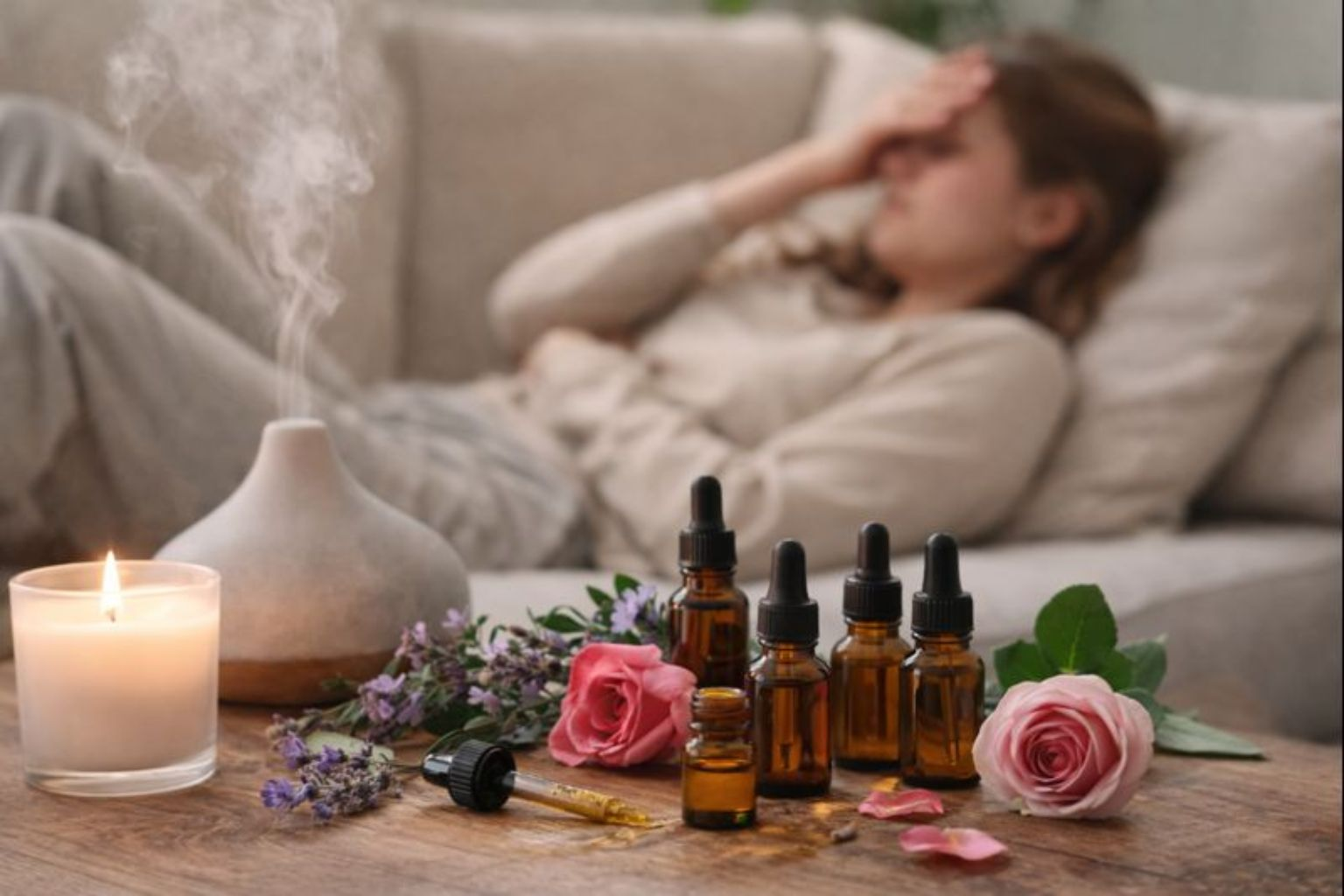
The scent of lavender has been scientifically proven to calm the nervous system, slow the heart rate, and lower cortisol (the stress hormone).
Why it works: Lavender oil contains linalool and linalyl acetate, compounds known for their anti-anxiety and sedative effects.
How to use it at home:
- Diffuse lavender essential oil in your room.
- Add a few drops to your pillow or bath.
- Use a lavender-scented eye pillow during rest or meditation.
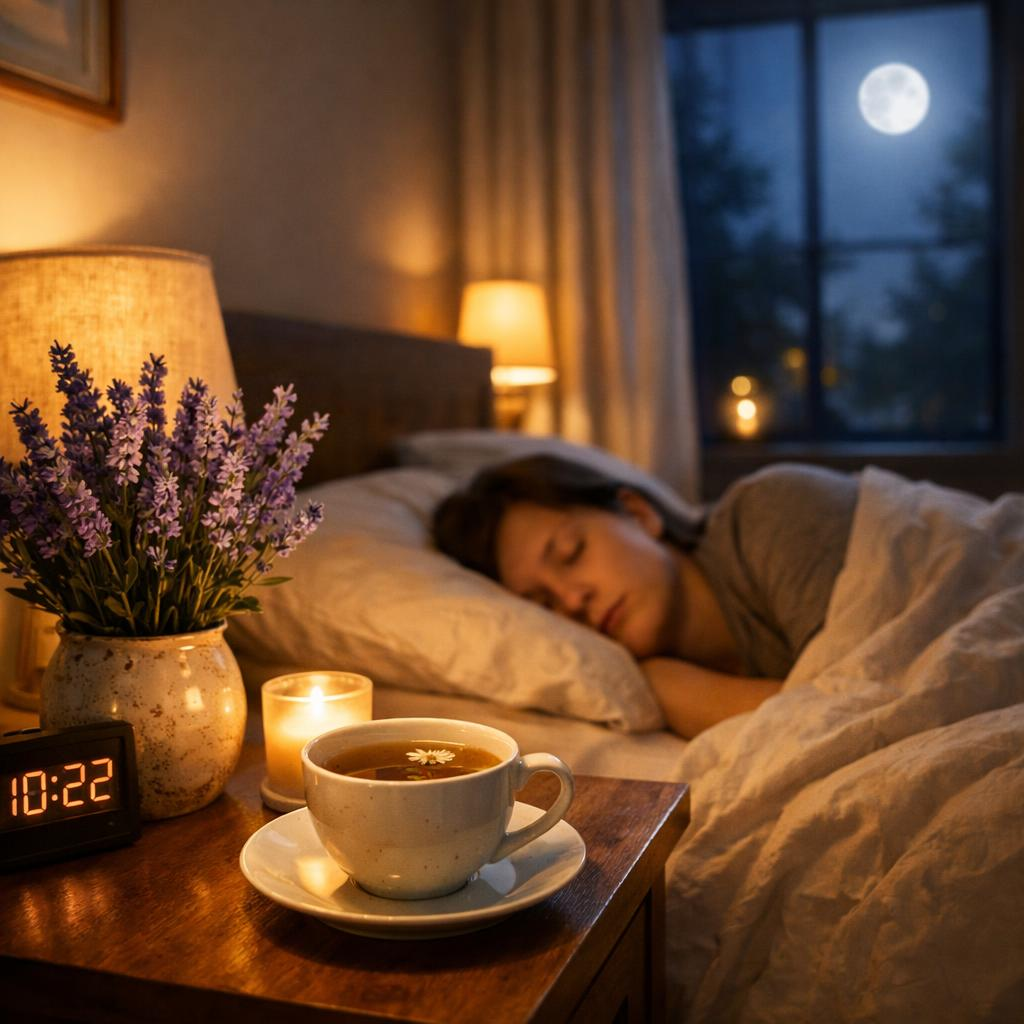
Maria’s moment: One of Maria’s turning points was simply placing a few drops of lavender oil in her humidifier at night. The gentle fragrance helped her finally sleep through the night.
3. Mindful Breathing and Meditation – Reclaiming the Present
Mindfulness isn’t just a buzzword—it’s a proven technique to retrain the anxious brain. Even five minutes a day can create noticeable improvements.
Why it works: Deep breathing lowers the body’s fight-or-flight response, bringing the parasympathetic nervous system (rest-and-digest) online.
How to practice:
- Sit comfortably and close your eyes.
- Inhale slowly for 4 seconds.
- Hold for 4 seconds.
- Exhale gently for 6 seconds.
- Repeat for 5–10 minutes.
Bonus Tip: Apps like Calm, Insight Timer, and Headspace can guide you through meditation sessions at home.
4. Epsom Salt Baths – Soothe the Body, Calm the Mind
A warm bath itself is comforting—but adding Epsom salts takes it to another level.
Why it works: Epsom salts are rich in magnesium, which helps regulate the nervous system and reduce cortisol levels.
How to use it:
- Add 1–2 cups of Epsom salt to a warm bath.
- Soak for 20 minutes.
- Use calming music and dim lighting to enhance the experience.
Natural bonus: Add essential oils like lavender or ylang-ylang for aromatherapy benefits.
5. Herbal Adaptogens – Nature’s Balancers
Adaptogens are herbs that help the body adapt to stress and rebalance itself. While they’ve been part of traditional medicine systems for centuries, modern science is just beginning to catch up.
Popular adaptogens for anxiety relief:
- Ashwagandha – Balances cortisol and promotes calm.
- Rhodiola – Boosts mood and mental stamina.
- Holy Basil (Tulsi) – Reduces inflammation and supports mental clarity.
How to take: Available as teas, tinctures, or capsules. Always consult a healthcare provider before starting new supplements.
6. Movement and Exercise – Anxiety’s Natural Antidote
You don’t need a gym membership or fancy gear to benefit from this remedy. Movement is medicine, and even a daily walk can significantly impact stress levels.
Why it works: Exercise increases endorphins (natural feel-good chemicals), improves sleep, and reduces stress hormones.
Best stress-relieving activities:
- Walking in nature
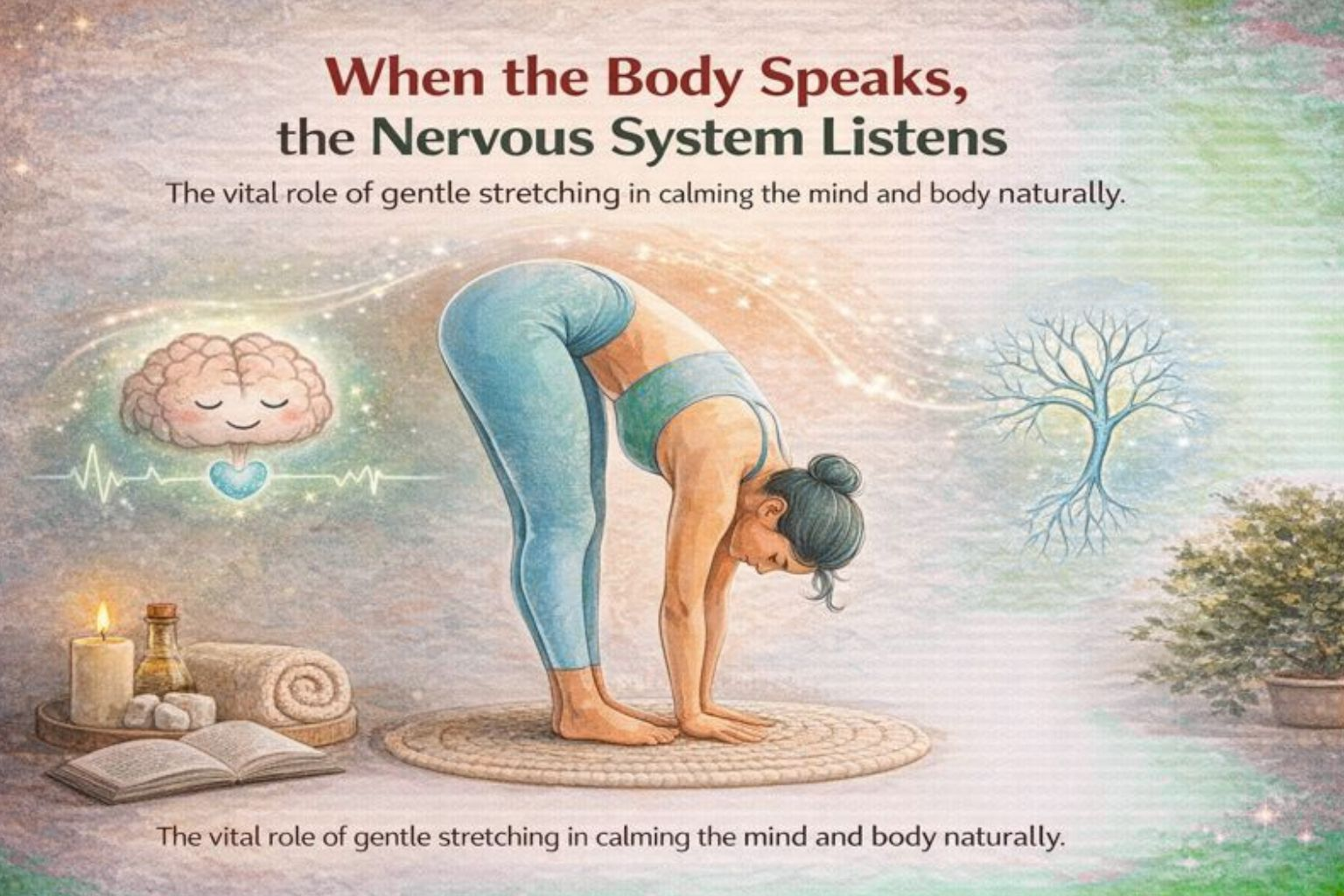
- Yoga or Tai Chi
- Dancing to your favourite music
- Light strength training
Maria’s routine: A 20-minute walk with her dog after dinner turned into her sacred decompression time.
7. Nutrient-Rich Foods – Eat to Beat Anxiety
What you eat plays a major role in how you feel. Nutritional psychiatry is gaining traction for a reason.
Stress-relief superfoods:
- Avocados: Rich in B vitamins and magnesium.
- Leafy greens: Packed with folate and antioxidants.
- Pumpkin seeds: Great magnesium source.
- Fatty fish (like salmon): Rich in omega-3s, shown to reduce anxiety symptoms.
Home remedy: Blend a calming smoothie with banana, spinach, almond milk, and chia seeds for a stress-busting breakfast.
Lifestyle Enhancers to Complement These Remedies
- Digital Detox: Unplug for at least 1 hour daily.
- Sleep Routine: Go to bed and wake up at consistent times.
- Journaling: Expressing thoughts reduces mental clutter.
- Gratitude Practice: Focusing on positives shifts the brain away from fear.
Final Thoughts
Stress and anxiety may feel overwhelming, but nature and nurturing routines offer powerful support. Like Maria, anyone can begin the journey toward emotional balance—starting right at home. Whether through a cup of chamomile tea, a lavender bath, or a mindful walk, the path to peace is closer than you think.
Frequently Asked Questions (FAQs)
1. What are the best home remedies for stress?
Chamomile tea, lavender aromatherapy, mindfulness, Epsom salt baths, adaptogens, exercise, and nutritious foods are among the most effective remedies.
2. How can I calm anxiety naturally?
Deep breathing, herbal teas, adaptogens like ashwagandha, and regular physical activity can help reduce anxiety symptoms naturally.
3. Can natural remedies help with stress and anxiety?
Yes. Scientific studies show many natural remedies can lower cortisol, reduce tension, and support long-term emotional balance.
4. Is lavender oil effective for stress relief?
Absolutely. Lavender essential oil is one of the most researched for reducing anxiety and promoting relaxation.
5. What adaptogen is best for anxiety?
Ashwagandha is widely considered the best adaptogen for anxiety due to its cortisol-lowering effects.
6. How often should I take Epsom salt baths?
2–3 times per week is ideal for calming the body and replenishing magnesium.
7. Can food affect my anxiety levels?
Yes. Deficiencies in nutrients like magnesium, omega-3s, and B vitamins are linked to higher anxiety levels.
8. Is walking better than meditation for stress relief?
Both have benefits. Walking helps physically release stress while meditation calms mental activity.
9. Are there any side effects to using natural remedies?
Generally, they’re safe, but some herbs can interact with medications. Consult a doctor if unsure.
10. Can I combine multiple remedies?
Yes. Combining lifestyle habits like tea, yoga, and journaling creates a holistic approach to stress relief.