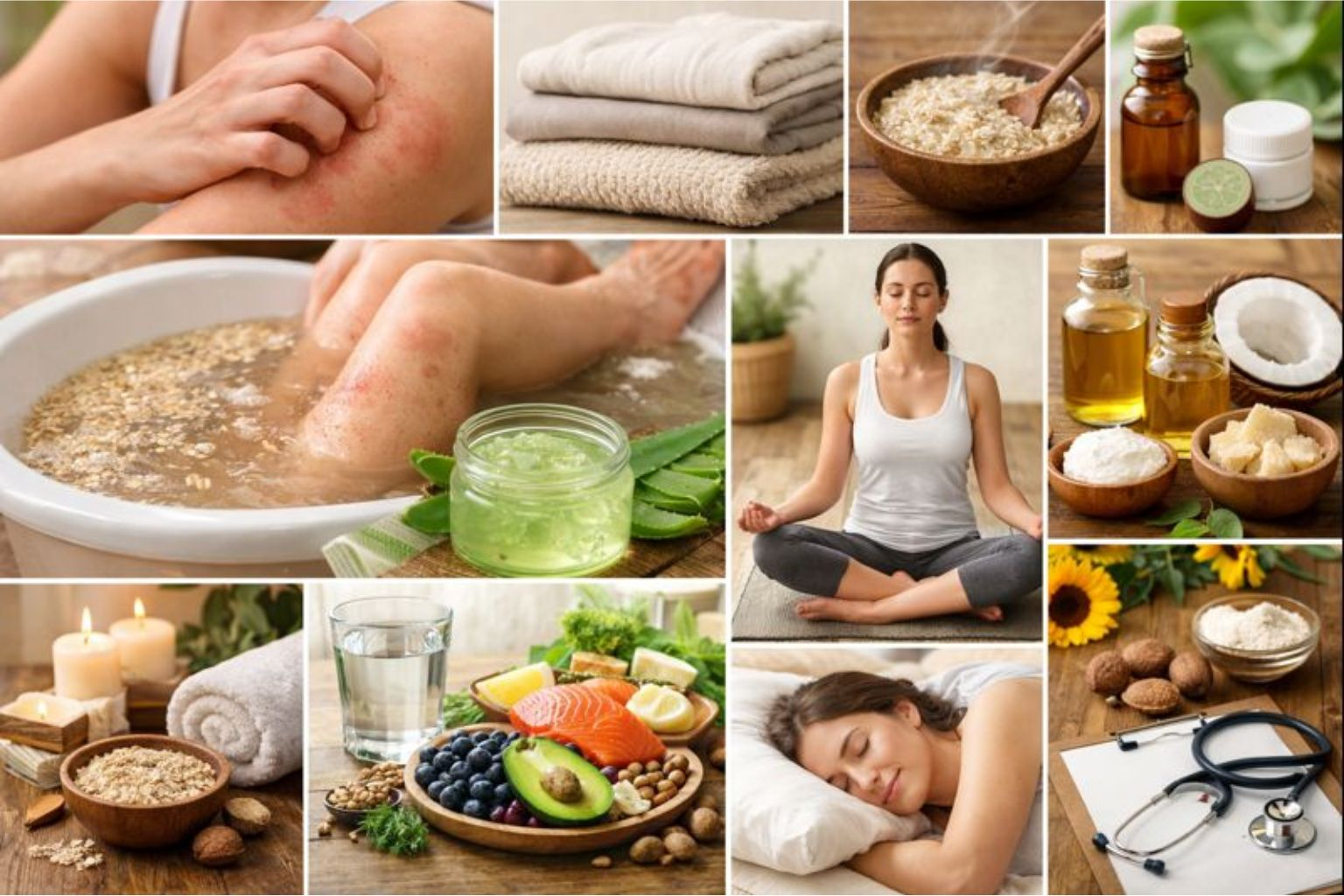
Natural eczema treatment begins with understanding why the skin becomes dry, itchy, and inflamed—and how gentle remedies can support long-term healing. Eczema often begins quietly—dry patches that itch more than usual, skin that feels tight after bathing, or redness that flares during stressful periods or weather changes. Over time, these symptoms can become persistent and frustrating, affecting sleep, confidence, and daily comfort. While prescription treatments may be necessary for severe cases, many people look for natural remedies for eczema to support their skin gently and consistently.
- Understanding Eczema: Why Skin Becomes Inflamed
- Gentle Skin Care: The Foundation of Natural Eczema Treatment
- Moisturizing Regularly to Repair the Skin Barrier
- Oatmeal Baths: Soothing Relief for Itchy Skin
- Aloe Vera: Cooling and Healing Support
- Managing Stress to Reduce Eczema Flare-Ups
- Clothing and Fabric Choices Matter
- Diet and Hydration for Healthier Skin
- Avoiding Common Eczema Triggers
- When Natural Remedies Are Enough—and When They’re Not
- FAQs: Eczema Treatment and Natural Remedies
- Final Thoughts
Natural eczema care focuses on restoring the skin barrier, reducing inflammation, and avoiding triggers rather than simply suppressing symptoms. This article explores how to treat eczema naturally with home remedies, using a calm, reassuring storytelling tone and medically grounded explanations designed for long-term skin health.
Understanding Eczema: Why Skin Becomes Inflamed
Eczema, also known as atopic dermatitis, is a chronic inflammatory skin condition characterized by dryness, itching, redness, and sensitivity. It occurs when the skin barrier is weakened, allowing moisture to escape and irritants to penetrate.
Common eczema triggers include:
- Dry or cold weather
- Harsh soaps and fragrances
- Stress and emotional tension
- Allergens and irritants
- Certain fabrics or detergents
Natural eczema treatment focuses on protecting the skin barrier, calming inflammation, and reducing exposure to triggers.
Gentle Skin Care: The Foundation of Natural Eczema Treatment
Before introducing any remedy, it is essential to adjust daily skin care habits. Many eczema flare-ups are worsened by over-cleansing or harsh products.
Skin care tips for eczema-prone skin:
- Use fragrance-free, mild cleansers
- Avoid hot water during bathing
- Pat skin dry instead of rubbing
Gentle skin care prevents further damage to the skin barrier and allows natural remedies to work more effectively.
Moisturizing Regularly to Repair the Skin Barrier
Dryness is one of the biggest contributors to eczema discomfort. Regular moisturizing helps seal in hydration and protect the skin from irritants.
Natural moisturizing options:
- Coconut oil
- Shea butter
- Sunflower seed oil
Applying moisturizer immediately after bathing helps lock in moisture and reduce itching throughout the day.
Oatmeal Baths: Soothing Relief for Itchy Skin
Benefits of oatmeal baths:
- Soothes itching
- Reduces redness
- Supports skin barrier repair
Soaking in a lukewarm oatmeal bath for 10–15 minutes can provide noticeable relief during flare-ups.
Aloe Vera: Cooling and Healing Support
Aloe vera is widely known for its cooling and anti-inflammatory properties. It helps calm redness and supports skin healing.
Why aloe vera helps:
- Reduces inflammation
- Soothes itching
- Supports skin repair
Using pure, fragrance-free aloe vera gel can be especially helpful for inflamed eczema patches.
Managing Stress to Reduce Eczema Flare-Ups
Stress is a common eczema trigger. When stress hormones rise, inflammation increases, often worsening itching and redness.
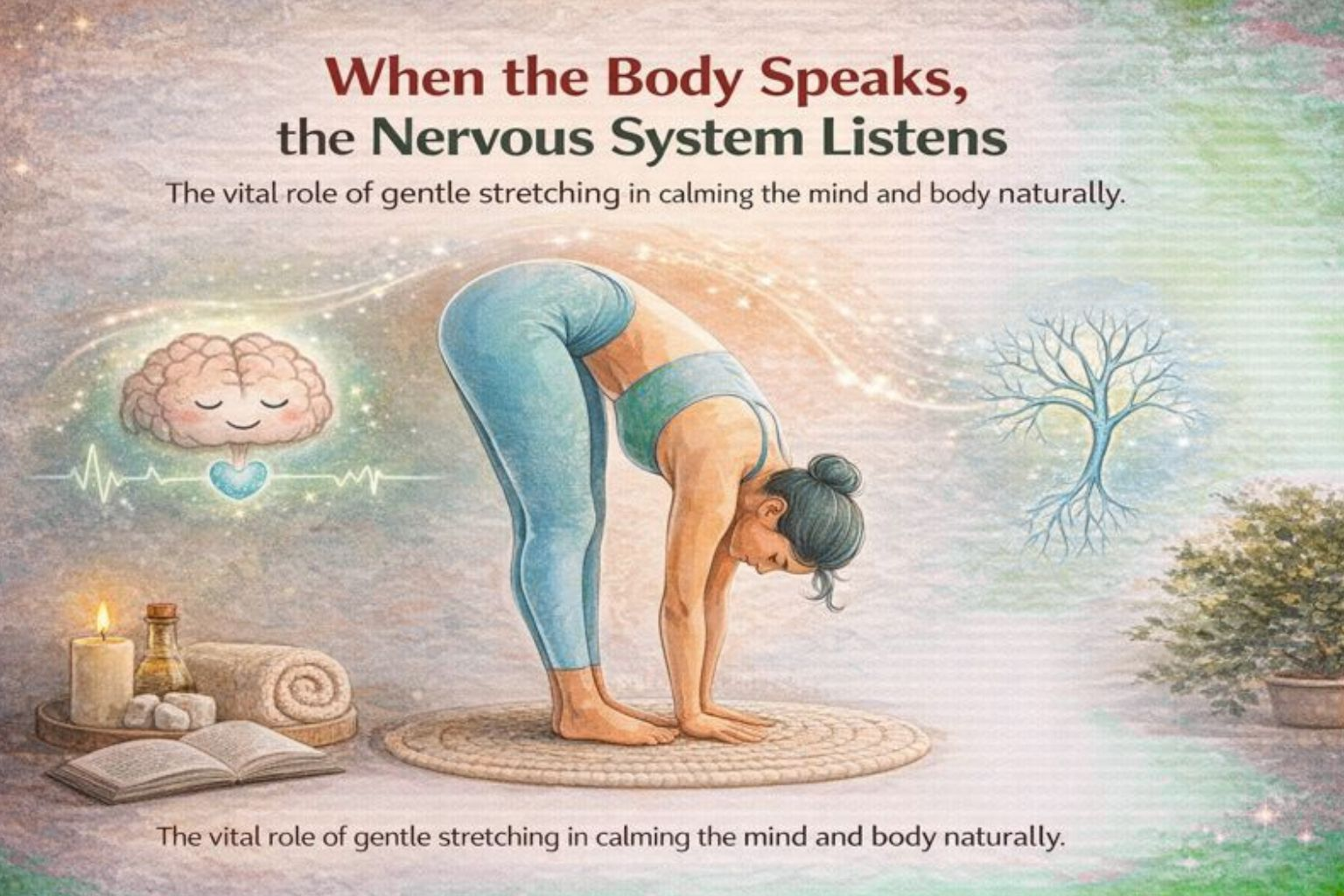
Natural stress-management techniques:
- Deep breathing
- Gentle yoga or stretching
- Adequate sleep
- Mindfulness practices
Reducing stress supports both emotional well-being and skin health.
Clothing and Fabric Choices Matter
What touches the skin daily can either soothe or irritate eczema-prone areas.
Eczema-friendly fabric tips:
- Choose soft, breathable cotton
- Avoid wool or synthetic fabrics
- Wash clothes with fragrance-free detergents
Reducing friction and irritation helps prevent flare-ups.
Diet and Hydration for Healthier Skin
While diet does not cause eczema, it can influence inflammation levels in the body.
Skin-supportive habits include:
- Drinking adequate water daily
- Eating anti-inflammatory foods
- Limiting highly processed foods
Balanced nutrition supports overall skin resilience.
Avoiding Common Eczema Triggers
Identifying and avoiding personal triggers is essential for long-term eczema management.
Common triggers to watch for:
- Fragranced products
- Sudden temperature changes
- Prolonged sweating
- Certain allergens
Keeping a symptom journal can help identify patterns and prevent future flare-ups.
When Natural Remedies Are Enough—and When They’re Not
Natural remedies work well for mild to moderate eczema. Medical advice should be sought if:
- Symptoms are severe or widespread
- Skin becomes infected
- Itching disrupts sleep consistently
Professional guidance ensures safe and effective eczema management.
FAQs: Eczema Treatment and Natural Remedies
1. Can eczema be treated naturally at home?
Yes. Many people manage mild eczema effectively with moisturizing, gentle skin care, and natural remedies.
2. What is the best natural remedy for eczema?
Regular moisturizing, oatmeal baths, aloe vera, and trigger avoidance are among the most effective natural approaches.
3. Does stress really make eczema worse?
Yes. Stress increases inflammation and often triggers eczema flare-ups.
4. Is coconut oil safe for eczema?
For many people, coconut oil helps moisturize and protect the skin, though individual reactions may vary.
5. How often should eczema-prone skin be moisturized?
Moisturizing at least twice daily, especially after bathing, helps maintain skin barrier health.
6. Can diet improve eczema symptoms?
Diet may influence inflammation levels, though results vary from person to person.
7. Are hot showers bad for eczema?
Yes. Hot water strips natural oils from the skin and can worsen dryness and irritation.
8. Is aloe vera good for eczema flare-ups?
Pure aloe vera gel can help soothe inflammation and itching during flare-ups.
9. Can eczema go away completely?
Eczema is often chronic, but symptoms can be managed effectively with consistent care.
10. When should eczema be medically evaluated?
Seek medical care if eczema becomes severe, infected, or unresponsive to home treatment.
Final Thoughts
Eczema is not just a skin condition—it is a signal that the skin barrier needs support, patience, and gentle care. Natural remedies, when used consistently, help soothe irritation, reduce flare-ups, and restore comfort over time. Through mindful skin care, stress management, and simple home remedies, treating eczema naturally becomes a sustainable journey toward healthier, calmer skin.