
Foot pain often begins quietly. A slight ache in the heel after getting out of bed. A dull soreness after a long day of standing. Over time, that discomfort can grow into something far more disruptive—limiting mobility, reducing quality of life, and turning simple movements into daily challenges. For millions of people worldwide, foot pain and plantar fasciitis are not just physical issues; they are constant reminders of how essential foot health is to overall well-being.
This long-form health article explores foot pain relief and plantar fasciitis through a storytelling-driven, educational lens. Written in the third person, it is designed for health-conscious readers seeking natural treatments, safe home remedies, and sustainable solutions. By understanding the causes of heel pain and adopting holistic strategies, many individuals can reduce discomfort and regain mobility without immediately resorting to invasive treatments.
Understanding Foot Pain: More Than Just Sore Feet
The human foot is a complex structure composed of 26 bones, 33 joints, and over 100 muscles, tendons, and ligaments. This intricate design allows the foot to support body weight, absorb shock, and adapt to various surfaces. When even one component becomes strained or inflamed, pain can quickly follow.
Foot pain can occur in different areas, including the heel, arch, ball of the foot, toes, or ankle. While occasional soreness is normal, persistent pain often signals an underlying issue that needs attention.
Common Causes of Foot Pain
- Prolonged standing or walking
- Poor footwear lacking arch support
- Excess body weight increasing pressure on the feet
- Overuse injuries from running or sports
- Structural issues such as flat feet or high arches
- Inflammation of tendons or ligaments
Among these causes, plantar fasciitis stands out as one of the most common sources of chronic heel pain.
What Is Plantar Fasciitis?
Plantar fasciitis is a condition involving inflammation of the plantar fascia—a thick band of connective tissue running along the bottom of the foot, from the heel bone to the toes. This tissue plays a vital role in supporting the arch and absorbing impact during walking.
When the plantar fascia becomes overstretched or irritated, tiny tears can form, leading to inflammation and pain. The hallmark symptom is sharp heel pain, especially during the first steps in the morning or after long periods of rest.
Who Is Most at Risk?
- People who spend long hours on their feet
- Runners and athletes
- Individuals with tight calf muscles
- Those with flat feet or high arches
- Adults over the age of 40
Understanding plantar fasciitis is the first step toward finding the best remedy for heel pain.
Why Natural Treatments Matter for Foot Pain Relief
Conventional treatments for foot pain may include pain relievers, corticosteroid injections, or even surgery in severe cases. While these options can be effective, many individuals prefer to begin with natural treatments that are non-invasive and carry fewer risks.
Natural remedies focus on addressing inflammation, improving flexibility, enhancing circulation, and correcting mechanical stress. When applied consistently, these approaches can offer meaningful relief and long-term improvement.
Best Natural Remedies for Foot Pain and Plantar Fasciitis
1. Rest and Activity Modification
Foot pain often worsens when the feet are pushed beyond their limits. Allowing adequate rest gives inflamed tissues time to heal.
Why it works: Reducing repetitive strain helps calm inflammation and prevents further damage to the plantar fascia.
Practical tips:
- Avoid high-impact activities temporarily
- Alternate standing with sitting when possible
- Incorporate gentle movement rather than complete inactivity
2. Ice Therapy for Inflammation Control
Cold therapy is one of the simplest and most effective methods for foot pain relief.
Why it works: Ice reduces inflammation and numbs pain by constricting blood vessels.
How to apply:
- Roll the foot over a frozen water bottle for 10–15 minutes
- Apply an ice pack to the heel after activity
Regular icing can significantly reduce plantar fasciitis discomfort.
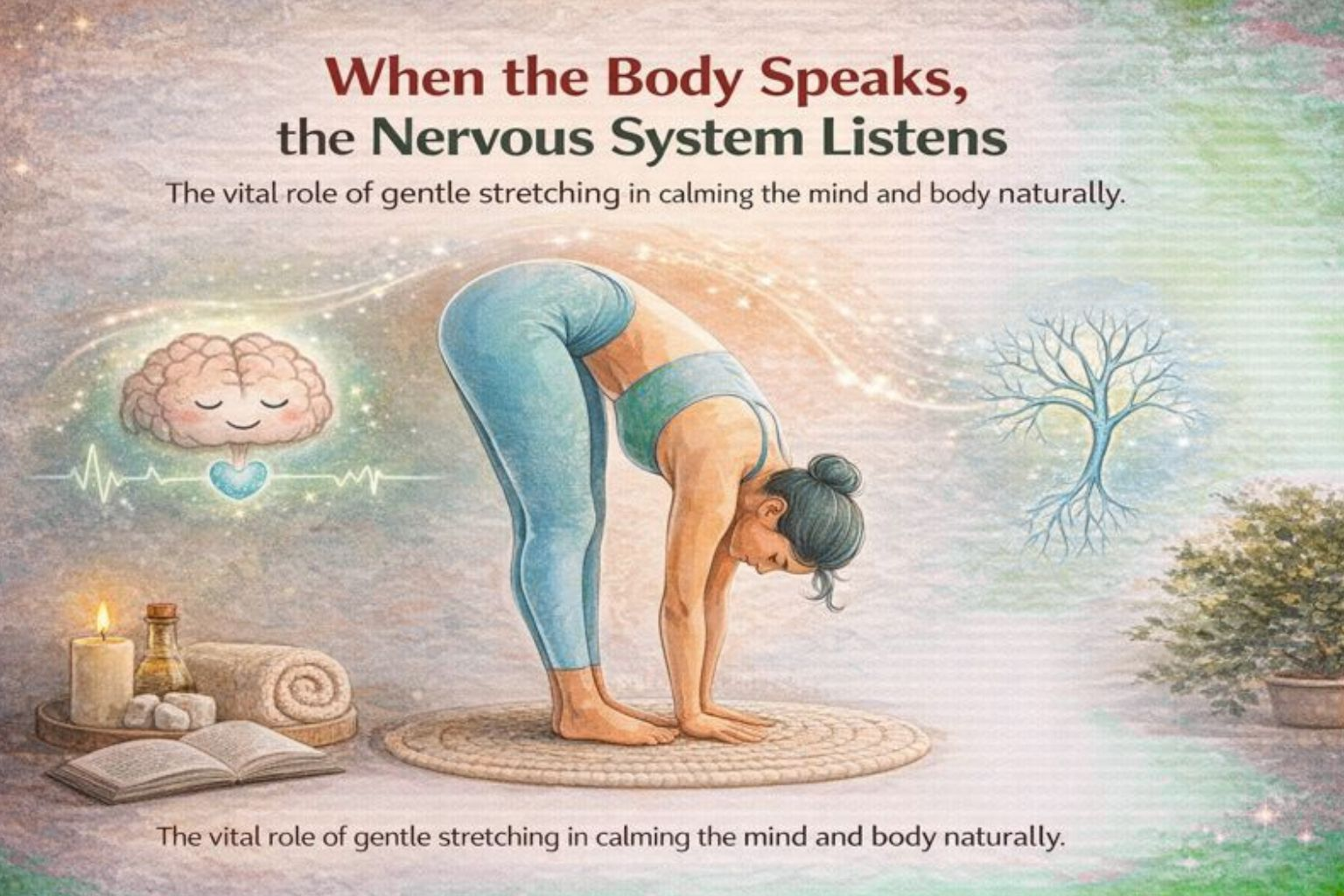
3. Stretching Exercises for the Plantar Fascia
Tight muscles in the calves and feet increase tension on the plantar fascia.
Why it works: Stretching improves flexibility and reduces strain on the heel.
Helpful stretches include:
- Calf stretches against a wall
- Towel stretches for the arch
- Toe stretches before getting out of bed
Consistency is essential for long-term results.
4. Supportive Footwear and Orthotics
Shoes play a critical role in foot health. Unsupportive footwear can worsen heel pain over time.
Why it works: Proper arch support distributes pressure evenly and reduces stress on the plantar fascia.
Recommendations:
- Choose shoes with cushioned soles
- Avoid walking barefoot on hard surfaces
- Consider orthotic inserts for added support
This is often considered one of the best remedies for heel pain caused by plantar fasciitis.
5. Foot Massage and Myofascial Release
Massage improves circulation and relaxes tight tissues.
Why it works: Gentle pressure helps break up adhesions and reduces muscle tension.
How to practice:
- Roll the foot over a tennis ball or massage ball
- Use your hands to apply gentle pressure along the arch
Daily massage can complement other natural treatments effectively.
6. Epsom Salt Foot Soaks
Warm foot soaks with Epsom salt are a traditional remedy for sore muscles.
Why it works: Magnesium sulphate may help relax muscles and reduce inflammation.
How to use:
- Dissolve Epsom salt in warm water
- Soak feet for 15–20 minutes
This method is especially soothing after a long day.
7. Weight Management for Reduced Foot Stress
- Excess body weight increases pressure on the feet, especially the heels.
- Why it works: Reducing weight decreases mechanical load on the plantar fascia.
- Even modest weight loss can lead to noticeable improvements in foot pain.
8. Anti-Inflammatory Nutrition
Diet plays a significant role in inflammation throughout the body.
Helpful foods include:
- Fatty fish rich in omega-3s
- Leafy greens
- Berries
- Nuts and seeds
Hydration also supports tissue health and recovery.
9. Night Splints for Morning Heel Pain
Morning pain is a classic symptom of plantar fasciitis.
Why it works: Night splints keep the foot in a gently stretched position, preventing stiffness overnight.
They are often recommended as part of a comprehensive foot pain relief plan.
10. Mindful Movement and Low-Impact Exercise
Completely avoiding movement can weaken muscles and slow recovery.
Better alternatives include:
- Swimming
- Cycling
- Yoga for foot and ankle mobility
These activities maintain fitness without excessive foot strain.
The Importance of Consistency and Patience
Natural treatments do not provide overnight cures. Foot pain and plantar fasciitis typically develop over time, and healing follows the same gradual path. Many people notice improvement within weeks, while full recovery may take several months.
Adhering to a daily routine that combines stretching, proper footwear, rest, and supportive therapies yields the best outcomes.
FAQs: Foot Pain and Plantar Fasciitis
1. What are the best home remedies for foot pain?
Home remedies include rest, ice therapy, stretching, supportive footwear, foot massage, and Epsom salt soaks. These methods help reduce inflammation and improve flexibility.
2. How can I treat plantar fasciitis naturally?
Plantar fasciitis can be managed naturally through consistent stretching, icing, wearing supportive shoes, using orthotics, and avoiding activities that strain the heel.
3. What is the best remedy for heel pain?
The best remedy often combines proper footwear, arch support, stretching exercises, and ice therapy to reduce inflammation and support healing.
4. How long does plantar fasciitis take to heal?
With consistent care, many people see improvement within 6 to 12 weeks, though full recovery may take longer.
5. Is walking good or bad for plantar fasciitis?
Gentle walking can be beneficial, but excessive walking on hard surfaces may worsen symptoms if proper support is lacking.
6. Can plantar fasciitis heal on its own?
In some cases, it may improve with rest and self-care, but targeted treatment speeds recovery and prevents recurrence.
7. Are barefoot shoes recommended for foot pain?
Barefoot shoes may help some individuals but can worsen pain for others. Gradual transition and professional guidance are advised.
8. Does stretching really help heel pain?
Yes. Regular stretching reduces tension in the plantar fascia and calf muscles, easing heel pain over time.
9. When should I see a doctor for foot pain?
If pain persists beyond several weeks or worsens despite home care, professional evaluation is recommended.
10. Can plantar fasciitis come back?
Yes. Without proper foot care and lifestyle adjustments, symptoms may return, making prevention essential.
Final Thoughts
Foot pain and plantar fasciitis can feel overwhelming, especially when they interfere with daily life. However, natural treatments offer a powerful foundation for healing. By listening to the body, supporting the feet properly, and adopting consistent self-care habits, many individuals can achieve lasting foot pain relief and improved mobility.
Disclaimer
This article is intended for informational and educational purposes only and does not constitute medical advice. The natural treatments discussed are based on general wellness principles and traditional practices. Individual results may vary depending on health status, activity level, and underlying conditions.
Readers should consult a qualified healthcare professional, podiatrist, or physical therapist before beginning any new treatment or exercise program, especially if foot pain is severe, persistent, or worsening.