
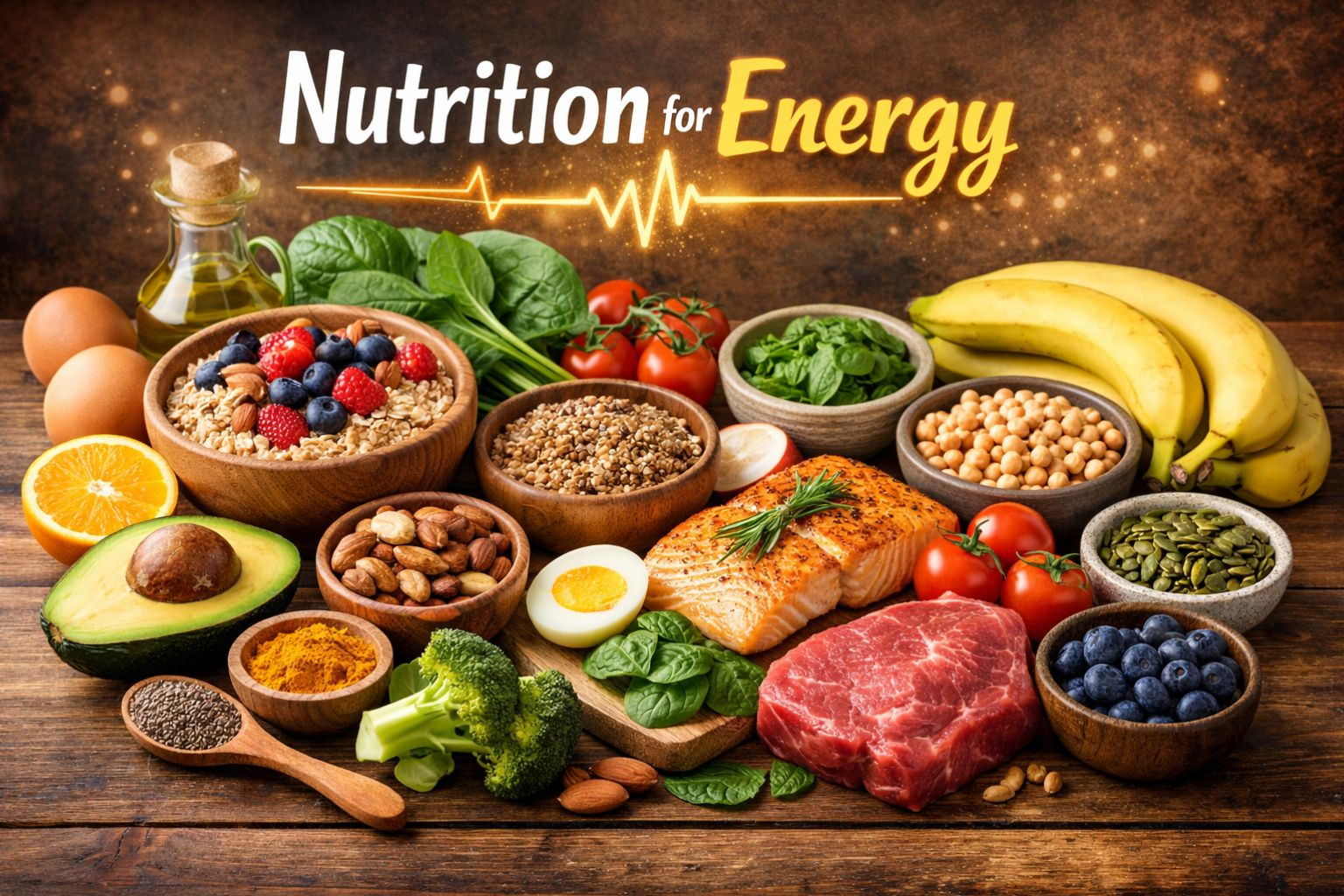
Proper nutrition for energy levels is not about quick fixes or stimulants—it is about how the body is nourished day after day, cell by cell. Many people notice that their energy rises and falls with their eating patterns, yet the connection can feel vague or confusing. Why does a breakfast leave one person alert and another sluggish? Why does afternoon fatigue strike even after a full meal?
- Understanding Energy: What the Body Really Needs
- Macronutrients and Their Impact on Energy
- Micronutrients: Small Nutrients With Big Energy Roles
- Hydration: The Overlooked Energy Factor
- The Gut–Energy Connection
- Meal Timing and Energy Rhythms
- Lifestyle Integration: Making Nutrition Work in Real Life
- Conclusion
- Frequently Asked Questions (FAQs)
Energy is not a single switch in the body. It is the result of coordinated systems—digestion, blood sugar regulation, hormones, mitochondria, hydration, sleep, and mental focus—working together. Food provides the raw materials that power these systems. When nutrition aligns with physiology, energy feels steady, calm, and reliable. When it does not, fatigue often follows.
This article explores how proper nutrition supports energy in a realistic, evidence-aligned way. Rather than lists of “superfoods” or promises of instant vitality, it explains why certain foods help, how they work inside the body, and what practical steps can fit into everyday life. The goal is sustainable energy—supportive, balanced, and grounded in how the human body actually functions.
Understanding Energy: What the Body Really Needs
Energy Is Cellular, Not Just Caloric
Calories are often treated as the sole measure of energy, but they tell only part of the story. True energy depends on how efficiently cells convert nutrients into usable fuel. Inside nearly every cell are mitochondria—often described as cellular power plants—that transform carbohydrates, fats, and proteins into ATP, the body’s energy currency.
This conversion requires more than calories. It depends on vitamins, minerals, enzymes, oxygen, and adequate hydration. A diet can be high in calories yet low in micronutrients, leaving cells with fuel they cannot fully use. This mismatch often results in feelings of heaviness, brain fog, or fatigue rather than vitality.
The Role of Blood Sugar Stability
One of the most influential factors in daily energy is blood sugar regulation. When blood glucose rises sharply and then falls quickly, energy tends to spike and crash. Meals dominated by refined carbohydrates can cause this pattern, especially when eaten without protein, fiber, or fat.
Balanced meals slow digestion and glucose absorption, allowing energy to be released gradually. This steadiness supports concentration, mood, and physical stamina throughout the day.
Hormones, Neurotransmitters, and Energy
Energy is also shaped by hormones such as insulin, cortisol, thyroid hormones, and neurotransmitters like dopamine and serotonin. These chemical messengers rely on nutrients for their production and regulation. Amino acids from protein, fats for hormone synthesis, and micronutrients like iodine, iron, zinc, and B vitamins all play roles.
When nutrition is insufficient or imbalanced, these systems may struggle, leading to persistent tiredness even when sleep seems adequate.
Macronutrients and Their Impact on Energy
Carbohydrates: The Body’s Preferred Fuel—When Chosen Well
Carbohydrates are often misunderstood in energy discussions. The body, particularly the brain and muscles, uses glucose as a primary fuel. The key is not avoiding carbohydrates but choosing those that provide steady, sustained energy.
Complex carbohydrates, such as whole grains, legumes, vegetables, and fruits, contain fiber that slows digestion. This results in a gradual release of glucose, preventing sharp energy fluctuations. In contrast, refined carbohydrates—like white bread, sugary snacks, and sweetened beverages—are digested quickly and often lead to energy crashes.
Real-life context: A mid-morning pastry may provide a brief sense of alertness, followed by fatigue an hour later. A bowl of oatmeal with berries and nuts, however, often supports focus through late morning because the glucose enters the bloodstream more slowly.
Protein: The Unsung Stabilizer of Energy
Protein is rarely associated with “energy” in the same way carbohydrates are, yet it plays a critical supporting role. Amino acids from protein help build enzymes, neurotransmitters, and muscle tissue. Protein also slows the digestion of carbohydrates, contributing to blood sugar stability.
Including protein at each meal—such as eggs, yogurt, legumes, fish, poultry, tofu, or nuts—can reduce energy dips and support sustained mental clarity. Protein does not create quick bursts of energy, but it helps prevent the crashes that drain vitality.
Fats: Long-Lasting Fuel and Hormonal Support
Dietary fats are the most energy-dense macronutrient and serve as a slow-burning fuel source. Healthy fats—such as those from olive oil, avocados, nuts, seeds, and fatty fish—support cell membranes, hormone production, and nutrient absorption.
While fats digest more slowly and do not provide immediate energy, they contribute to endurance and satiety. Diets extremely low in fat can sometimes leave people feeling fatigued or hormonally imbalanced, especially over time.
Micronutrients: Small Nutrients With Big Energy Roles
B Vitamins and Cellular Energy
B vitamins, including B1, B2, B3, B6, B9, and B12, are essential for converting food into energy at the cellular level. They act as coenzymes in metabolic pathways, enabling mitochondria to produce ATP efficiently.
Insufficient intake may manifest as fatigue, weakness, or difficulty concentrating. Whole grains, legumes, leafy greens, eggs, dairy, and animal proteins are common dietary sources.
Iron and Oxygen Transport
Iron supports energy by enabling red blood cells to carry oxygen throughout the body. Without adequate oxygen, cells cannot produce energy effectively, regardless of calorie intake.
Low iron levels are a well-known cause of fatigue, particularly among menstruating individuals. Iron-rich foods include legumes, leafy greens, fortified grains, red meat, and poultry, with absorption enhanced by vitamin C–rich foods.
Magnesium, Zinc, and Energy Regulation
Magnesium participates in hundreds of enzymatic reactions, many related to energy metabolism and muscle function. Zinc supports immune health and cellular repair, while also playing a role in metabolic processes.
Deficiencies may not be obvious but can contribute to low energy over time. Nuts, seeds, whole grains, and legumes provide these minerals in balanced amounts.
Hydration: The Overlooked Energy Factor
Why Even Mild Dehydration Causes Fatigue
Water is fundamental to energy production. It supports blood volume, nutrient transport, temperature regulation, and cellular reactions. Even mild dehydration can reduce physical and cognitive performance, leading to feelings of tiredness or headache.
Thirst is not always an early signal. Fatigue can appear before noticeable thirst, especially in warm environments or during busy days.
Hydration Beyond Plain Water
While water is essential, hydration also depends on electrolytes such as sodium and potassium, which help regulate fluid balance and nerve signaling. Whole foods like fruits, vegetables, soups, and broths contribute to hydration alongside beverages.
Practical takeaway: Spacing water intake throughout the day and including water-rich foods can support steady energy more effectively than drinking large amounts infrequently.
The Gut–Energy Connection
Digestion as an Energy Investment
Digestion itself requires energy. When meals are overly large, heavily processed, or lacking fiber, digestion can become inefficient, diverting energy away from other bodily functions. This is why heavy meals often lead to sluggishness.
Fiber-rich foods support smoother digestion, stable blood sugar, and a healthy gut microbiome, all of which influence energy regulation.
Gut Microbiota and Nutrient Absorption
The gut microbiome helps break down food and synthesize certain nutrients. A diverse, balanced microbiota supports better nutrient absorption, indirectly influencing energy levels.
Dietary patterns rich in plant foods, fermented foods, and variety tend to support microbial diversity, whereas highly processed diets may disrupt it.
Meal Timing and Energy Rhythms
Eating in Alignment With Circadian Patterns
The body follows natural rhythms that influence digestion, hormone release, and energy. Skipping meals or eating erratically can disrupt these rhythms, contributing to fatigue.
Regular meals with balanced macronutrients help the body anticipate fuel availability, supporting metabolic efficiency and consistent energy.
Breakfast and the Energy Foundation
While individual needs vary, many people benefit from a nourishing breakfast that includes protein, fiber, and healthy fats. This combination helps stabilize blood sugar after the overnight fast and sets the tone for the day’s energy.
Lifestyle Integration: Making Nutrition Work in Real Life
Simplicity Over Perfection
Proper nutrition for energy does not require flawless eating or constant meal planning. Small, consistent improvements—such as adding protein to breakfast or choosing whole grains more often—can create noticeable shifts in how energy feels.
When Nutrition Helps Most
Nutritional strategies are especially effective for addressing lifestyle-related fatigue, such as that linked to inconsistent meals, dehydration, or nutrient gaps. They support the body’s natural energy systems rather than overriding them.
When Medical Guidance Is Important
Persistent or severe fatigue can signal underlying health conditions that nutrition alone cannot address. In such cases, medical evaluation is essential. Nutrition remains supportive but should complement professional care.
Conclusion
Energy is not something to chase—it is something to support. Proper nutrition for energy levels works quietly and cumulatively, nourishing cells, stabilizing blood sugar, supporting hormones, and maintaining hydration. When food aligns with physiology, energy often feels calmer, steadier, and more resilient.
Rather than seeking dramatic changes, sustainable vitality grows from understanding how the body uses nutrients and responding with balanced, thoughtful choices. Over time, these choices build a foundation of energy that supports daily life without extremes or promises—just consistent, evidence-aligned care.
Frequently Asked Questions (FAQs)
1. How does proper nutrition improve energy levels?
Proper nutrition supplies carbohydrates, fats, proteins, vitamins, and minerals that support cellular energy production. Balanced meals stabilize blood sugar, support metabolism, and help the body convert food into usable energy more efficiently, reducing fatigue and energy crashes.
2. Can poor nutrition really cause constant tiredness?
Yes. Diets low in essential nutrients or high in refined foods can impair energy metabolism, blood sugar regulation, and hormone balance. Over time, this can contribute to ongoing fatigue even if calorie intake seems sufficient.
3. Are carbohydrates necessary for energy?
Carbohydrates are an important energy source, especially for the brain and muscles. Choosing complex carbohydrates with fiber helps provide steady energy, while excessive refined carbohydrates may lead to short-lived energy spikes followed by fatigue.
4. Does protein help with energy or just muscle building?
Protein supports energy indirectly by stabilizing blood sugar and providing amino acids needed for enzymes and neurotransmitters. Including protein with meals often helps maintain steady energy and mental focus throughout the day.
5. Can dehydration affect energy levels?
Even mild dehydration can reduce physical and mental performance. Water supports nutrient transport and cellular reactions, so insufficient fluid intake commonly contributes to feelings of tiredness or low concentration.
6. Which vitamins are most important for energy?
B vitamins are especially important because they help convert food into energy at the cellular level. Iron, magnesium, and zinc also play supportive roles in oxygen transport and metabolic processes.
7. Why do energy crashes happen after meals?
Energy crashes often occur when meals cause rapid blood sugar spikes followed by sharp drops. Meals lacking protein, fiber, or fat are more likely to produce this pattern, leading to post-meal fatigue.
8. Can improving gut health increase energy?
A healthy gut supports efficient digestion and nutrient absorption, which indirectly affects energy levels. Diets rich in fiber and diverse whole foods tend to support gut health and more stable energy.
9. Is skipping meals bad for energy?
Skipping meals can disrupt blood sugar balance and metabolic rhythms, often leading to fatigue or irritability. Regular, balanced meals help the body maintain consistent energy throughout the day.
10. When should fatigue be checked by a healthcare professional?
If fatigue persists despite adequate nutrition, sleep, and hydration, or is accompanied by other symptoms, medical guidance is important. Nutrition supports energy but cannot replace evaluation for underlying conditions.