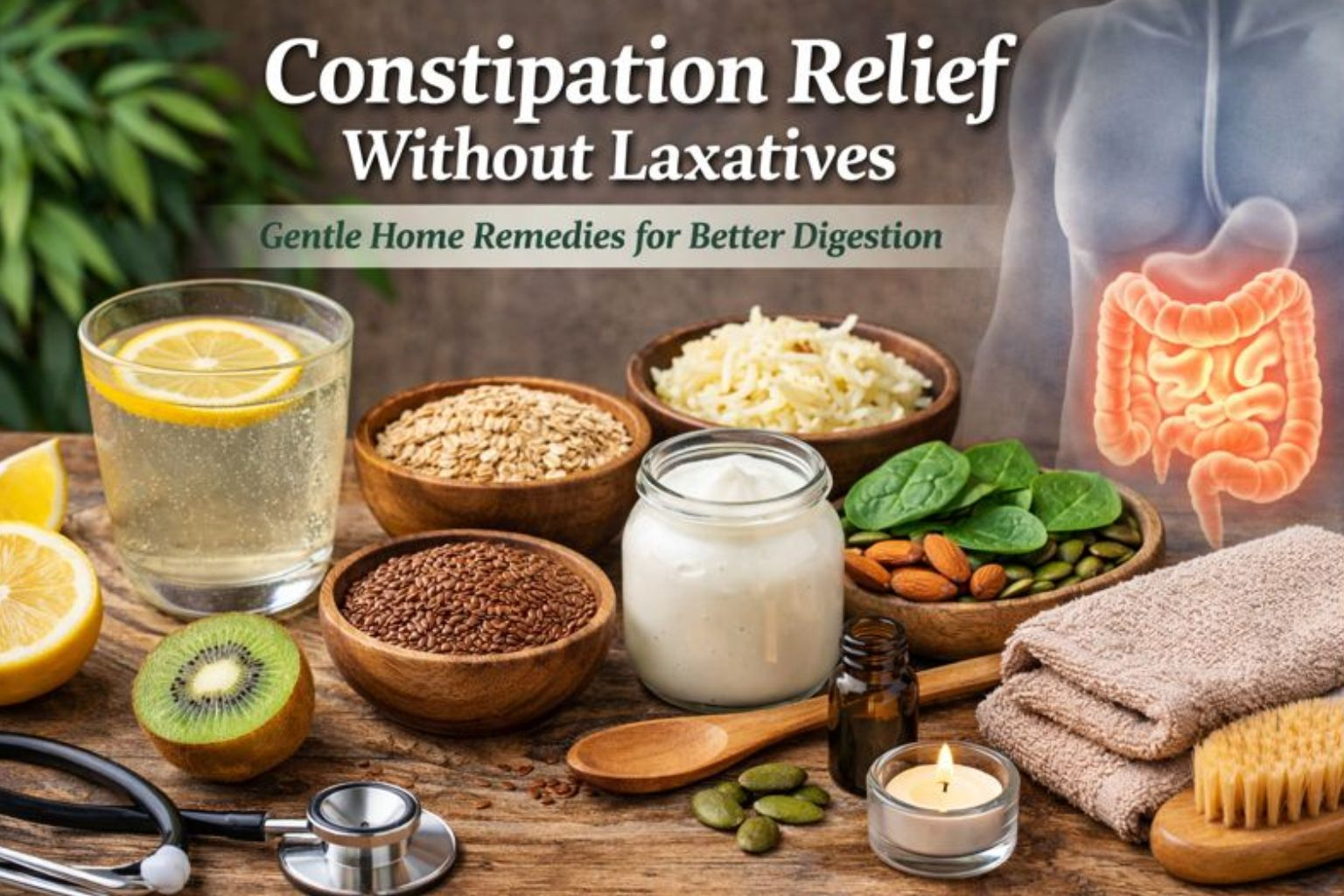
Constipation relief without laxatives is a growing concern for people who want to support digestion gently rather than relying on harsh, habit-forming solutions. For many, constipation is not just an occasional inconvenience—it becomes a recurring disruption that affects comfort, energy, mood, and overall well-being.
- Understanding Constipation Beyond the Basics
- Hydration: The Foundation of Gentle Constipation Relief
- Fibre: Supporting Regularity Without Overloading the Gut
- The Role of Gut Bacteria in Constipation
- Gentle Movement and Its Impact on Bowel Function
- Abdominal Massage: A Supportive, Non-Invasive Technique
- Establishing a Healthy Bowel Routine
- Stress, the Nervous System, and Constipation
- When Natural Remedies Help Most
- When Medical Guidance Is Necessary
- Conclusion
- Frequently Asked Questions (FAQPage)
Digestive sluggishness often develops quietly. A busy lifestyle, irregular meals, low fibre intake, dehydration, stress, or prolonged sitting can slowly interfere with the body’s natural bowel rhythm. Over time, this can lead to bloating, abdominal discomfort, and the frustrating feeling that the body is no longer responding naturally.
While laxatives may provide short-term relief, they do not address the underlying digestive patterns that contribute to constipation. In some cases, frequent use may even weaken the bowel’s natural responsiveness. This is why many health-conscious individuals seek supportive, non-irritating approaches that work with the body rather than forcing it.
This article explores gentle home remedies that support digestion naturally. Through an evidence-aligned, physiology-based lens, it explains how daily habits, nutrition, hydration, movement, and mindful routines can restore regularity—without fear-based claims or quick-fix promises.
Understanding Constipation Beyond the Basics
Constipation is commonly defined as infrequent bowel movements, difficulty passing stool, or a sensation of incomplete evacuation. However, digestive health is more nuanced than counting bathroom visits.
How Digestion and Bowel Motility Work
The digestive system relies on coordinated muscle contractions—known as peristalsis—to move food through the intestines. Water absorption, fiber content, gut bacteria balance, and nervous system signalling all influence how efficiently stool forms and exits the body.
When any of these elements fall out of balance, stool may become dry, hard, or slow-moving. Over time, this can reduce the natural urge to pass stool, reinforcing constipation cycles.
Why Laxatives Are Not Always the Ideal First Step
Laxatives work by stimulating bowel contractions, drawing water into the intestines, or softening stool chemically. While useful in certain medical contexts, routine reliance may:
- Reduce bowel sensitivity
- Disrupt electrolyte balance
- Mask underlying digestive contributors
Gentle approaches aim to restore natural bowel function, not override it.
Hydration: The Foundation of Gentle Constipation Relief
Adequate hydration is one of the most overlooked yet impactful tools for constipation relief without laxatives.
Why Water Matters for Stool Formation
The colon absorbs water from digested material. When hydration is insufficient, excessive water is pulled from the stool, making it dry and difficult to pass. Even mild dehydration can slow bowel transit.
Practical Hydration Strategies
- Start the day with a glass of warm water
- Sip water consistently instead of consuming large amounts at once
- Increase fluid intake gradually alongside fibre changes
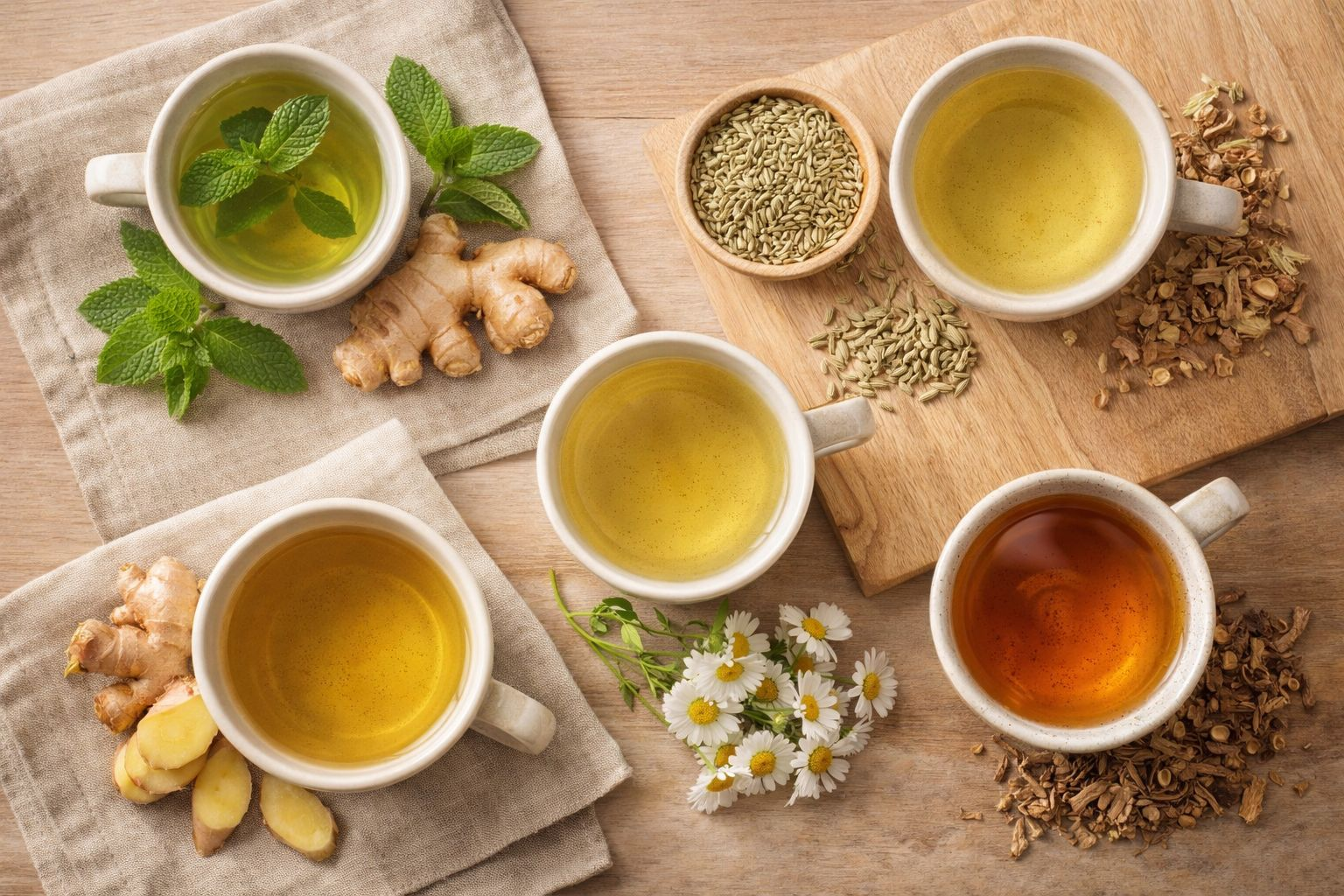
Warm liquids may be especially helpful in the morning, as they can gently stimulate digestive reflexes.
Fibre: Supporting Regularity Without Overloading the Gut
Fibre plays a central role in digestive health, but more is not always better.
Types of Fibre and Their Roles
- Soluble fibre absorbs water, forming a soft gel that supports stool consistency
- Insoluble fibre adds bulk and encourages intestinal movement
A balanced intake supports regularity without excessive gas or discomfort.
Gentle Fibre Sources
Rather than sudden fibre loading, gradual incorporation helps the gut adapt:
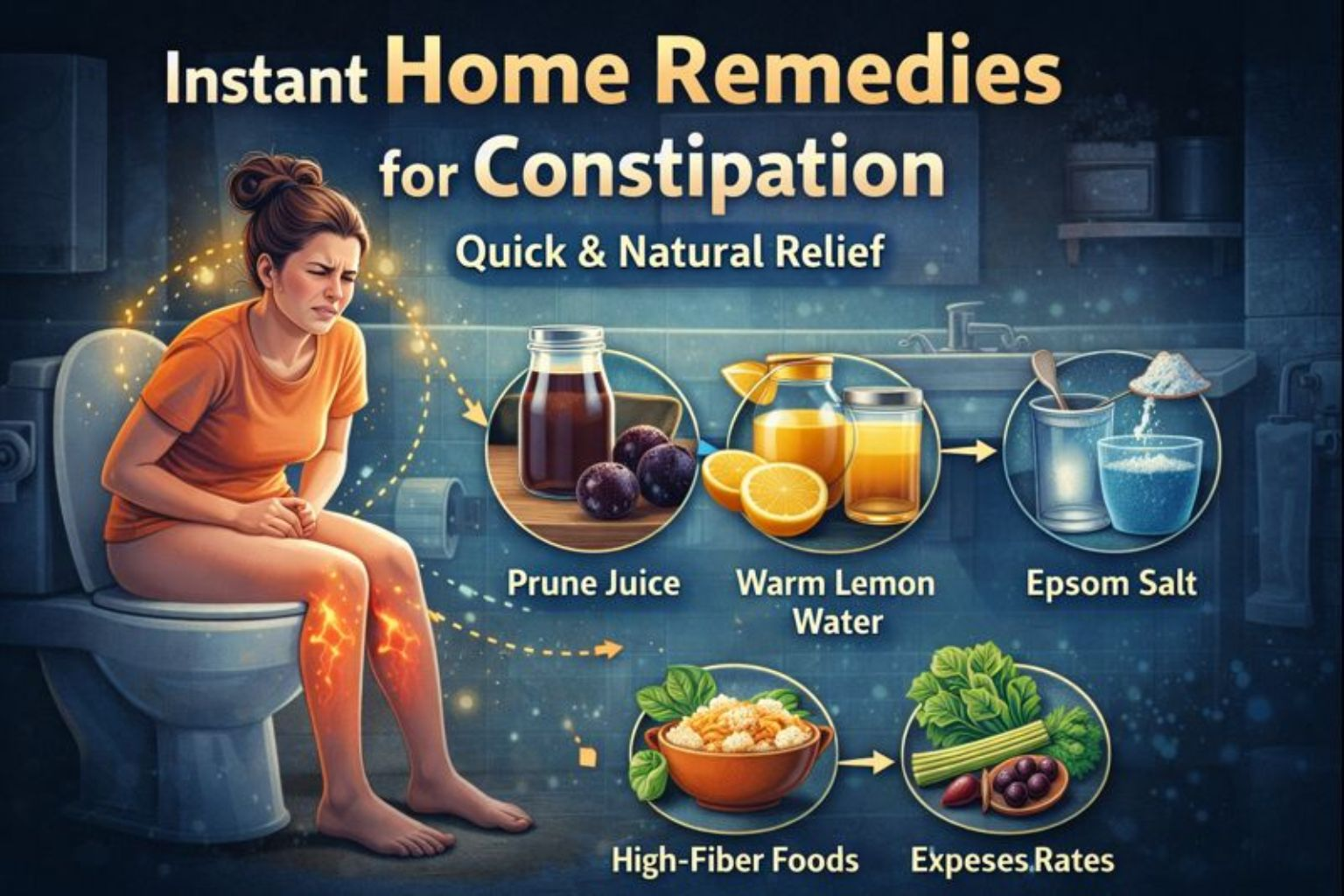
- Cooked vegetables
- Oats and whole grains
- Chia seeds or ground flaxseed
- Berries and peeled fruits
Cooking fibre-rich foods can improve tolerance for sensitive digestive systems.
The Role of Gut Bacteria in Constipation
The gut microbiome influences stool consistency, intestinal motility, and inflammation regulation.
How Microbial Balance Affects Digestion
Beneficial bacteria produce short-chain fatty acids that support colon health and promote rhythmic bowel contractions. Imbalances may contribute to sluggish digestion.
Supporting Gut Health Naturally
- Fermented foods such as yogurt, kefir, or sauerkraut
- Prebiotic fibres from onions, garlic, and bananas
- Consistent meal timing
These approaches encourage a stable microbial environment rather than abrupt changes.
Gentle Movement and Its Impact on Bowel Function
Physical activity does more than support muscles and cardiovascular health—it plays a direct role in digestion.
Why Movement Encourages Bowel Motility
Movement stimulates the nervous system and abdominal muscles, enhancing peristalsis. Even light activity can make a measurable difference.
Accessible Movement Options
- Walking after meals
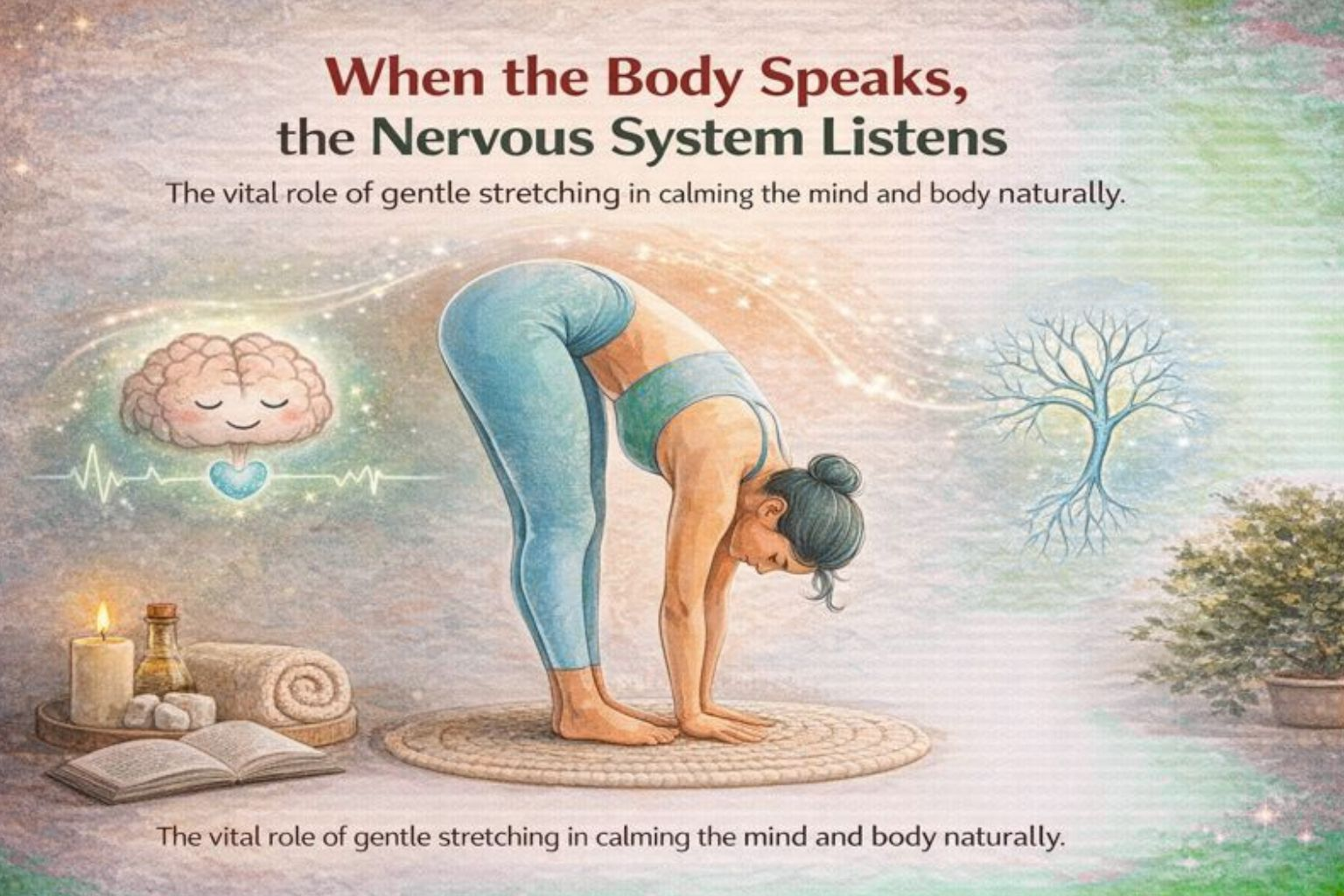
- Gentle yoga poses focusing on the abdomen
- Stretching during prolonged sitting periods
Consistency matters more than intensity when it comes to digestive benefits.
Abdominal Massage: A Supportive, Non-Invasive Technique
Abdominal massage is a traditional method used to encourage bowel movement gently.
How It Works
Light, clockwise circular motions follow the natural direction of the colon. This may help stimulate nerve signals and improve stool movement.
Practical Application
- Perform a massage while lying comfortably
- Use gentle pressure without discomfort
- Combine with slow breathing
This technique is best used as part of a broader digestive routine rather than a standalone solution.
Establishing a Healthy Bowel Routine
The digestive system responds well to predictability.
The Gastrocolic Reflex Explained
Eating triggers colon contractions, particularly in the morning. Responding to natural urges reinforces healthy bowel signaling.
Building Supportive Habits
- Allow unhurried bathroom time after breakfast
- Avoid ignoring urges due to busy schedules
- Maintain consistent meal times
Over time, these habits help retrain the gut’s natural rhythm.
Stress, the Nervous System, and Constipation
The gut and brain are deeply interconnected.
How Stress Slows Digestion
Chronic stress activates the sympathetic nervous system, diverting energy away from digestion. This can reduce bowel motility and increase muscle tension.
Gentle Nervous System Support
- Mindful breathing
- Short relaxation breaks
- Adequate sleep routines
Calming the nervous system often improves digestion indirectly but significantly.
When Natural Remedies Help Most
Gentle approaches are especially effective when constipation is related to lifestyle factors such as diet, hydration, stress, or inactivity. These remedies aim to support digestive physiology, not override it.
When Medical Guidance Is Necessary
Medical evaluation is important when constipation is persistent, severe, or accompanied by symptoms such as unexplained weight loss, blood in stool, or significant pain. Gentle remedies support wellness but do not replace professional care when needed.
Conclusion
Constipation relief without laxatives is not about forcing the body into action—it is about restoring the conditions that allow digestion to function naturally. Through hydration, balanced fibre intake, gut-friendly foods, gentle movement, stress awareness, and routine consistency, the digestive system often regains its rhythm over time.
These supportive strategies prioritize long-term digestive health, comfort, and trust in the body’s natural processes. When applied patiently and thoughtfully, they offer a sustainable path toward regularity—without dependence on harsh interventions.
Frequently Asked Questions (FAQPage)
1. What is the safest way to relieve constipation without laxatives?
The safest approach focuses on hydration, gradual fibre intake, gentle movement, and consistent routines. These strategies support natural bowel function without irritating the digestive system or creating dependency.
2. How long do natural remedies take to improve constipation?
Natural remedies typically work gradually. Some people notice improvement within days, while others may need several weeks of consistent lifestyle changes to restore regular bowel patterns.
3. Can drinking warm water help with constipation?
Warm water may stimulate digestive reflexes, especially in the morning. While not a cure, it can support bowel movement when combined with hydration and routine habits.
4. Is fibre always helpful for constipation?
Fibre supports digestion, but increasing it too quickly may cause bloating. Gradual increases and adequate hydration help fibre work effectively without discomfort.
5. Do probiotics help relieve constipation naturally?
Probiotics may support gut balance and bowel regularity for some individuals. Their effects vary, and benefits often depend on consistent use and overall diet quality.
6. Can stress really cause constipation?
Yes. Stress affects the gut-brain connection and can slow intestinal motility. Managing stress often improves digestive regularity indirectly.
7. Does walking help relieve constipation?
Light physical activity, such as walking, stimulates intestinal movement and supports bowel regularity, especially when done consistently.
8. Is abdominal massage effective for constipation?
Gentle abdominal massage may help stimulate bowel movement by encouraging nerve activity and stool movement when used as part of a broader routine.
9. Should constipation always be treated without laxatives?
Laxatives can be appropriate in certain medical situations. However, for lifestyle-related constipation, natural approaches are often recommended first.
10. When should someone see a doctor for constipation?
Medical advice is important if constipation is persistent, severe, or accompanied by symptoms such as pain, blood in stool, or unexplained weight changes.