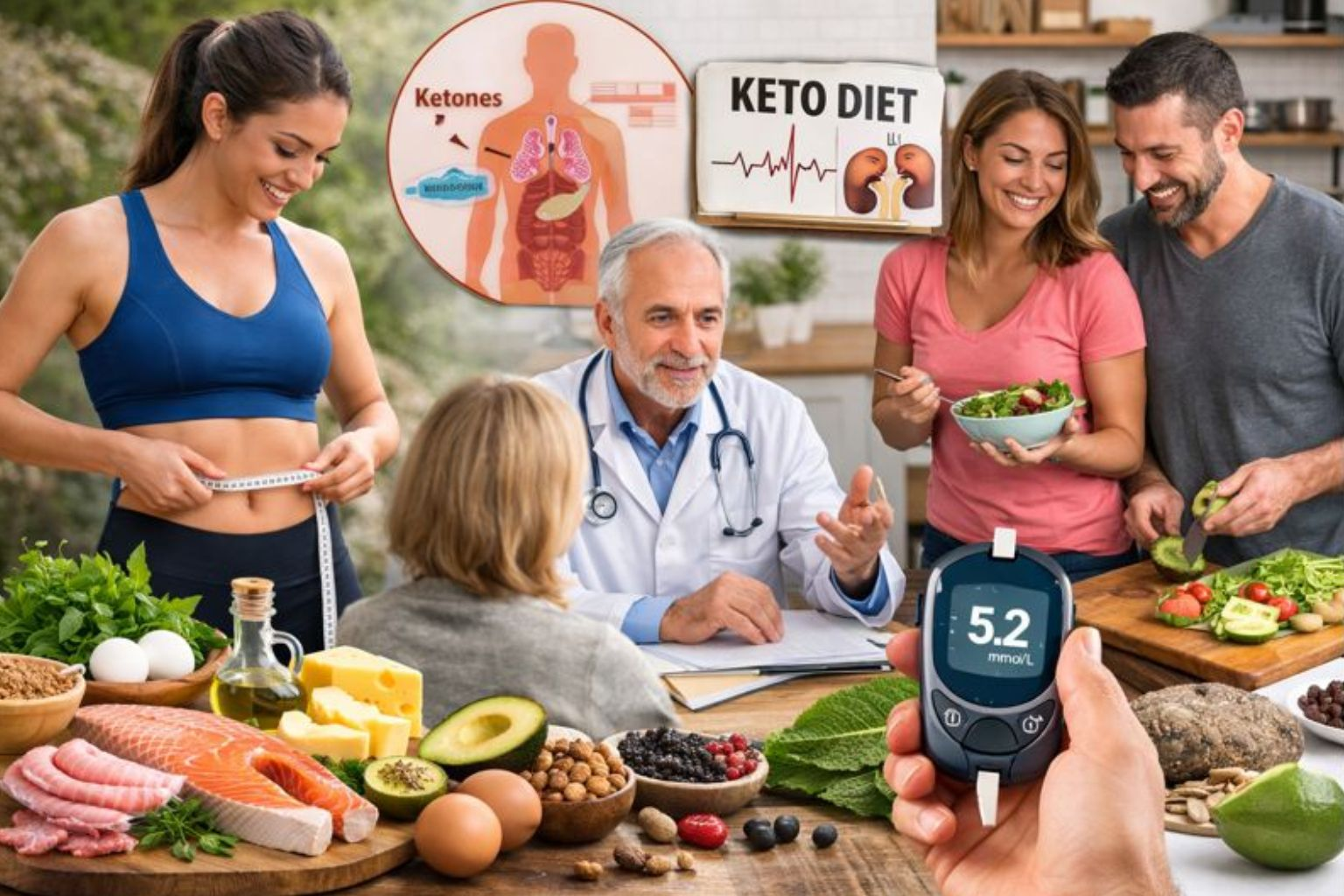
The keto diet has grown in popularity over the years as a method for weight loss, enhanced energy, and improved overall health. In its simplest form, the ketogenic diet is a high-fat, moderate-protein, and very low-carb eating plan. By significantly reducing carbohydrate intake, the body enters a state called ketosis, where it burns fat for energy instead of glucose. This article will explore the benefits, potential risks, and the foods you should and shouldn’t eat while on the keto diet, helping you make informed decisions on whether this approach suits your lifestyle.
What is the Keto Diet?
The ketogenic diet is a low-carbohydrate, high-fat diet designed to trigger ketosis, a metabolic state where the body burns fat for fuel instead of carbs. This process occurs when carbohydrate intake is reduced to about 20-50 grams per day, forcing the liver to break down fat into ketones, which are then used as an alternative energy source. This shift can help improve energy levels and potentially lead to weight loss.
The classic ketogenic diet typically consists of 70-80% fat, 15-20% protein, and 5-10% carbohydrates. The diet’s primary goal is to encourage the body to rely on fat rather than glucose for energy.
Benefits of the Keto Diet
1. Weight Loss
One of the most well-known benefits of the keto diet is weight loss. By entering ketosis, the body becomes more efficient at burning fat for energy, which can help reduce stored body fat. Many people report significant weight loss in the initial phase of the keto diet, particularly due to the loss of water weight and reduced appetite.
2. Better Blood Sugar Control
The keto diet has been shown to help lower blood sugar levels, which can benefit individuals with type 2 diabetes. Reducing carbohydrate intake helps prevent the sharp spikes in blood glucose that are common with high-carb diets. For some people, the keto diet may even reduce or eliminate the need for insulin, although medical supervision is essential.
3. Increased Mental Clarity and Focus
Ketones, produced from the fat breakdown during ketosis, are an efficient fuel source for the brain. As a result, many people experience improved mental clarity, focus, and cognitive function on the keto diet. This can be particularly beneficial for those with neurodegenerative conditions, such as Alzheimer’s disease.
4. Enhanced Heart Health
Although the keto diet is high in fats, many of the fats are healthy monounsaturated and polyunsaturated fats found in foods like avocados, nuts, and olive oil. When followed correctly, the keto diet can help improve heart health by raising HDL (good) cholesterol levels and lowering triglycerides, both of which are beneficial for cardiovascular health.
Risks and Considerations of the Keto Diet
While the keto diet offers several benefits, it is not without potential risks. These should be carefully considered before embarking on the diet.
1. Nutrient Deficiency
Since the keto diet restricts many foods, such as fruits, vegetables, and whole grains, it can lead to nutrient deficiencies if not carefully planned. Important vitamins and minerals, such as vitamin C, potassium, and magnesium, may be lacking. It is essential to include keto-friendly vegetables like leafy greens and consider supplementation.
2. Kidney Stones
High-fat diets like keto may increase the risk of kidney stones. As the body breaks down more fat and protein, it produces more waste that the kidneys must process. Drinking adequate water and consuming sufficient electrolytes can help mitigate this risk.
3. The “Keto Flu.”
In the initial phase of the keto diet, some individuals experience flu-like symptoms, known as the “keto flu.” Symptoms may include fatigue, nausea, headaches, irritability, and dizziness. This is usually a result of the body adjusting to ketosis. Staying hydrated and ensuring proper electrolyte balance can help ease these symptoms.
4. Digestive Issues
Due to the drastic change in food intake, some people may experience digestive issues, such as constipation or diarrhea. It’s essential to include fiber-rich keto-friendly foods like chia seeds, flaxseeds, and non-starchy vegetables to maintain digestive health.
What to Eat on the Keto Diet
Foods to Enjoy
The keto diet focuses heavily on fats, with moderate protein and very low carbohydrates. Here are the foods to include:
- Healthy Fats: Avocados, olive oil, coconut oil, butter, ghee, and fatty cuts of meat.
- Meats and Fish: Fatty fish like salmon, mackerel, sardines, and tuna. Grass-fed meats, poultry, and bacon are also excellent choices.
- Dairy: Full-fat dairy like cheese, heavy cream, and Greek yogurt.
- Low-Carb Vegetables: Leafy greens (spinach, kale), cauliflower, broccoli, zucchini, and asparagus.
- Nuts and Seeds: Almonds, walnuts, chia seeds, flaxseeds, and pumpkin seeds.
- Eggs: A rich source of protein and healthy fats.
Foods to Avoid
Since the keto diet significantly limits carbs, here are foods to avoid:
- Grains: Bread, rice, pasta, cereal, and most baked goods.
- Sugary Foods: Candy, soda, sugary snacks, and desserts.
- Starchy Vegetables: Potatoes, sweet potatoes, corn, and peas.
- Fruits: Most fruits are high in sugars (especially tropical fruits like bananas and pineapples). Small servings of berries may be allowed in moderation.
Lifestyle Integration: How to Succeed on the Keto Diet
Adapting to the keto diet may seem challenging at first, but there are ways to make it a part of your routine:
- Meal Prep: Prepare meals ahead of time to ensure you always have keto-friendly options available.
- Stay Hydrated: Drink plenty of water to help your body adjust to the reduced carbohydrate intake and avoid dehydration.
- Incorporate Electrolytes: Since the keto diet can deplete electrolytes like sodium, potassium, and magnesium, it’s important to replenish them regularly. Consider adding salt to your food and using electrolyte supplements.
- Exercise: Incorporating light to moderate exercise can help enhance the effects of the keto diet. It may also reduce the symptoms of the keto flu during the transition phase.
When to Seek Medical Guidance
Before starting the keto diet, it is important to consult with a healthcare provider, particularly if you have any underlying health conditions such as kidney disease, liver disease, or diabetes. While the keto diet has shown promise for certain health conditions, it may not be suitable for everyone, and medical supervision is important to ensure safety.
Conclusion
The keto diet is a powerful tool for those seeking weight loss, improved metabolic health, and enhanced cognitive function. However, it is essential to carefully manage potential risks such as nutrient deficiencies, digestive issues, and the keto flu. By incorporating the right foods, staying hydrated, and seeking medical guidance when necessary, the keto diet can be a successful lifestyle choice for many individuals. Remember, every diet plan should be tailored to personal health needs and goals, ensuring it aligns with long-term wellness.
FAQs
1. What is the keto diet?
The keto diet is a high-fat, low-carb eating plan that encourages the body to burn fat for energy by entering a state called ketosis.
2. Can the keto diet help with weight loss?
Yes, the keto diet is effective for weight loss, as it helps the body burn stored fat for fuel instead of carbs.
3. What are the main foods to eat on a keto diet?
Healthy fats, fatty meats, fish, full-fat dairy, low-carb vegetables, and nuts are staples in the keto diet.
4. Are there any risks associated with the keto diet?
Potential risks include nutrient deficiencies, kidney stones, and digestive issues. Proper planning and hydration can help minimize these risks.
5. How long does it take for the body to enter ketosis?
It typically takes 2-4 days for the body to enter ketosis, depending on individual metabolism and adherence to the diet.
6. Can I eat fruits on the keto diet?
Most fruits are high in sugars and should be avoided, but small servings of berries like strawberries or raspberries can be consumed in moderation.
7. Is the keto diet safe for people with diabetes?
The keto diet may help with blood sugar control in people with type 2 diabetes, but it should be done under medical supervision to ensure safety.
8. What is the keto flu?
Keto flu is a group of symptoms that some people experience when transitioning to the keto diet, including headaches, fatigue, and irritability.
9. Can the keto diet improve mental clarity?
Yes, the keto diet has been shown to improve mental focus and clarity by providing the brain with ketones as an efficient fuel source.
10. Should I consult a doctor before starting the keto diet?
It’s recommended to consult with a healthcare provider, especially if you have pre-existing health conditions, to ensure the keto diet is appropriate for you.