
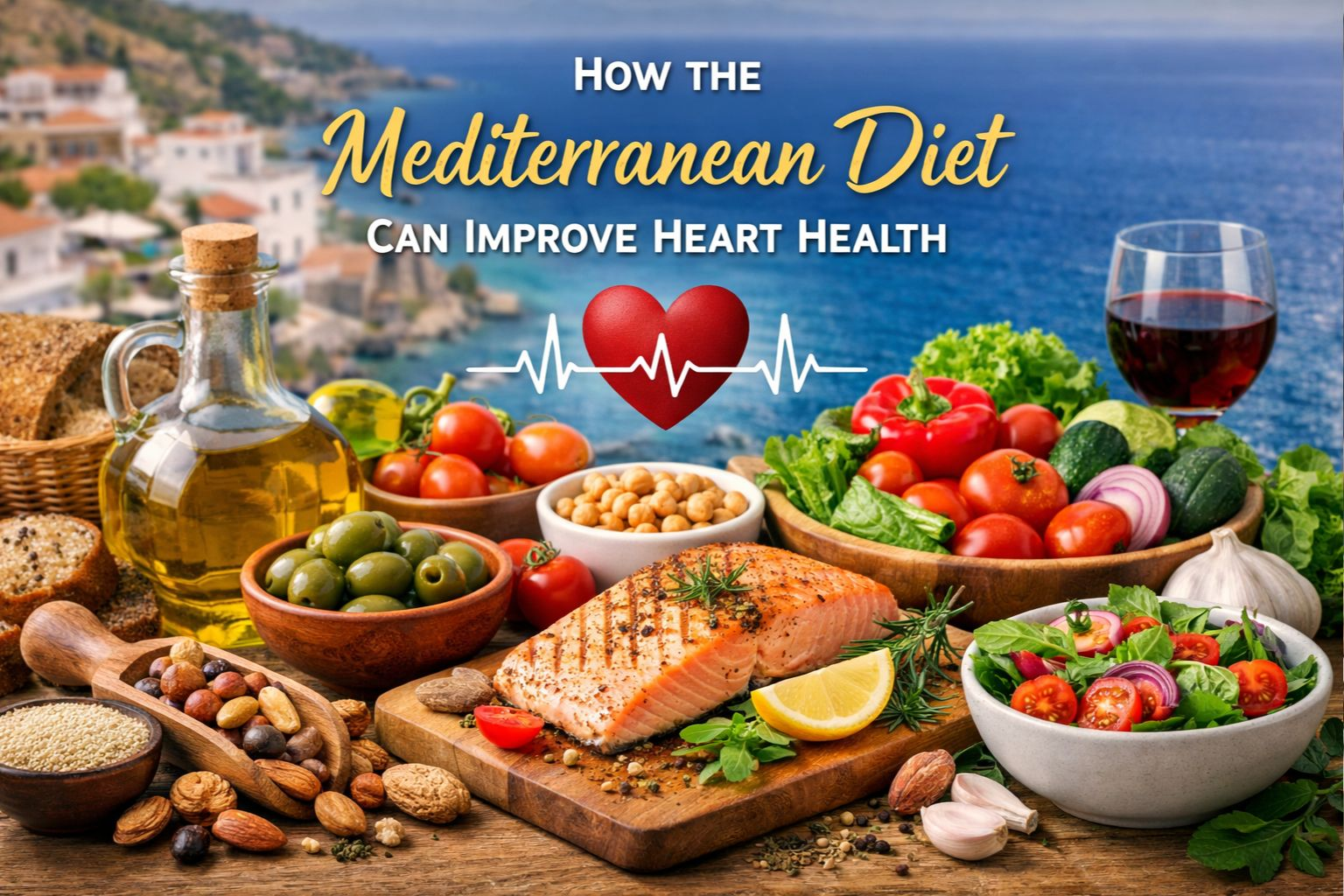
The Mediterranean diet has long been celebrated as one of the healthiest dietary patterns in the world, especially for its positive impact on heart health. Characterized by a wide variety of whole foods such as fruits, vegetables, legumes, whole grains, fish, and healthy fats, this diet is not only flavorful but also backed by a wealth of scientific evidence supporting its role in promoting cardiovascular well-being.
In this article, we will explore how adopting the Mediterranean diet can improve heart health, the science behind its benefits, and how individuals can integrate it into their everyday lives. Whether you’re looking to reduce the risk of heart disease or enhance your overall heart health, this diet may offer the support you’re seeking.
The Mediterranean Diet: What It Is and Why It Works
The Mediterranean diet is based on the traditional eating patterns of people living in countries bordering the Mediterranean Sea, such as Italy, Greece, and Spain. It emphasizes the consumption of plant-based foods, healthy fats, and moderate portions of animal products, particularly fish.
Key components of the Mediterranean diet include:
- Fruits and Vegetables: High in vitamins, minerals, antioxidants, and fibre.
- Whole Grains: Rich in fibre, which helps maintain healthy cholesterol levels and regulate blood sugar.
- Healthy Fats: Predominantly from olive oil, which is known for its anti-inflammatory properties and heart-healthy benefits.
- Fish and Lean Proteins: Especially fatty fish such as salmon and mackerel, which are rich in omega-3 fatty acids that help reduce inflammation and improve blood vessel health.
- Nuts and Seeds: Full of healthy fats, fibre, and protein, contributing to overall heart health.
- Moderate Wine Consumption: When consumed in moderation, red wine can offer antioxidants like resveratrol, known for its cardiovascular benefits.
This combination of nutrient-dense foods works synergistically to reduce the risk of heart disease by lowering blood pressure, improving cholesterol levels, and reducing inflammation.
How the Mediterranean Diet Improves Heart Health
1. Reduces Cholesterol and Lowers Blood Pressure
One of the most significant ways the Mediterranean diet benefits heart health is by improving cholesterol levels. Studies show that the diet’s emphasis on healthy fats, such as monounsaturated fats from olive oil and polyunsaturated fats from nuts and seeds, helps reduce levels of “bad” LDL cholesterol while increasing “good” HDL cholesterol.
Additionally, the high intake of potassium-rich fruits and vegetables, combined with the reduction of sodium from processed foods, helps lower blood pressure. This effect can significantly reduce the risk of developing heart disease and stroke.
2. Decreases Inflammation and Oxidative Stress
Chronic inflammation and oxidative stress are key contributors to heart disease. The Mediterranean diet is rich in antioxidants from fruits, vegetables, nuts, and fish, all of which play a crucial role in neutralizing free radicals and reducing inflammation in the body. Olive oil, in particular, contains oleocanthal, a compound that has been shown to have anti-inflammatory effects comparable to ibuprofen.
3. Supports Healthy Blood Sugar Levels
The Mediterranean diet is low in refined sugars and processed carbohydrates, which can contribute to insulin resistance and type 2 diabetes—both of which are risk factors for heart disease. The high fibre content of whole grains, legumes, and vegetables helps regulate blood sugar levels by slowing the absorption of glucose into the bloodstream, improving overall blood sugar control.
4. Promotes Healthy Weight and Reduces Obesity Risk
Being overweight or obese is a significant risk factor for heart disease. The Mediterranean diet promotes a healthy weight by focusing on nutrient-dense foods that are low in calories but high in essential vitamins and minerals. The diet’s emphasis on fibre-rich foods, such as vegetables, fruits, and legumes, helps keep individuals feeling full, reducing overeating.
The Role of Fish and Omega-3 Fatty Acids
One of the standout features of the Mediterranean diet is its reliance on fatty fish such as salmon, sardines, and mackerel. These fish are rich in omega-3 fatty acids, which have been shown to provide numerous heart-health benefits. Omega-3s help:
- Reduce inflammation throughout the body.
- Lower triglyceride levels, which are linked to an increased risk of heart disease.
- Prevent the formation of blood clots that can lead to heart attacks and strokes.
Including two to three servings of fatty fish per week can be an effective strategy for improving heart health and preventing cardiovascular diseases.
Incorporating the Mediterranean Diet into Your Life
Adopting the Mediterranean diet doesn’t mean overhauling your entire way of eating overnight. Here are some simple ways to incorporate its principles into your daily routine:
- Start with Olive Oil: Swap out your regular cooking oil for extra virgin olive oil. It can be used for cooking, dressings, or drizzling over vegetables and grains.
- Eat More Fish: Try to have fish at least twice a week. Grilled or baked fish is a great option.
- Include Whole Grains: Replace refined grains with whole grains like brown rice, quinoa, and whole-wheat pasta.
- Snack on Nuts: Choose unsalted almonds, walnuts, or pistachios as a snack or add them to salads and yogurt.
- Add More Vegetables: Aim to fill half of your plate with vegetables at every meal. Experiment with Mediterranean-inspired dishes like Greek salads or ratatouille.
When to Seek Medical Guidance
While the Mediterranean diet can provide significant benefits for heart health, it is important to note that it should not replace medical treatment for existing conditions. If you have been diagnosed with heart disease or any other chronic health condition, it’s essential to work with a healthcare professional to develop a comprehensive treatment plan.
Always consult with your doctor before making significant dietary changes, especially if you have existing health conditions like high blood pressure, diabetes, or high cholesterol.
Conclusion
The Mediterranean diet offers an abundance of health benefits, particularly for heart health. By focusing on whole foods, healthy fats, and nutrient-rich ingredients, this diet helps reduce inflammation, lower blood pressure, and improve cholesterol levels—key factors in preventing cardiovascular disease. With its combination of delicious and heart-healthy foods, the Mediterranean diet can serve as a sustainable lifestyle choice for anyone seeking to improve their heart health and overall well-being.
FAQs
1. What is the Mediterranean diet?
The Mediterranean diet is a plant-based eating pattern that emphasizes whole foods, healthy fats, lean proteins, and minimal processed foods. It is inspired by the traditional diets of Mediterranean countries like Greece, Italy, and Spain.
2. How does the Mediterranean diet benefit heart health?
The Mediterranean diet benefits heart health by reducing inflammation, lowering blood pressure, improving cholesterol levels, and promoting a healthy weight—all of which reduce the risk of heart disease.
3. What are the key foods in the Mediterranean diet?
Key foods include fruits, vegetables, whole grains, legumes, nuts, seeds, olive oil, and fatty fish. It also includes moderate consumption of dairy and red wine.
4. How much fish should I eat on the Mediterranean diet?
It’s recommended to eat fish, particularly fatty fish, at least two to three times per week. Fish like salmon, mackerel, and sardines are rich in omega-3 fatty acids that benefit heart health.
5. Can the Mediterranean diet help lower cholesterol?
Yes, the Mediterranean diet has been shown to help lower “bad” LDL cholesterol while increasing “good” HDL cholesterol, which supports heart health.
6. Is olive oil good for your heart?
Yes, olive oil, particularly extra virgin olive oil, is rich in monounsaturated fats that reduce inflammation and improve heart health by lowering bad cholesterol levels.
7. Is the Mediterranean diet good for weight loss?
The Mediterranean diet can aid weight loss by promoting a balanced, nutrient-dense diet that helps control hunger and prevent overeating, leading to gradual and sustainable weight loss.
8. Can the Mediterranean diet prevent heart disease?
The Mediterranean diet can help prevent heart disease by improving blood pressure, cholesterol levels, and reducing inflammation, all of which are key risk factors for cardiovascular disease.
9. How does the Mediterranean diet reduce inflammation?
The Mediterranean diet is rich in antioxidants and healthy fats, particularly from olive oil, which have anti-inflammatory properties that reduce the chronic inflammation linked to heart disease.
10. What are the long-term benefits of the Mediterranean diet?
Long-term benefits of the Mediterranean diet include improved heart health, reduced risk of chronic diseases such as diabetes and cancer, better brain health, and a longer, healthier life.