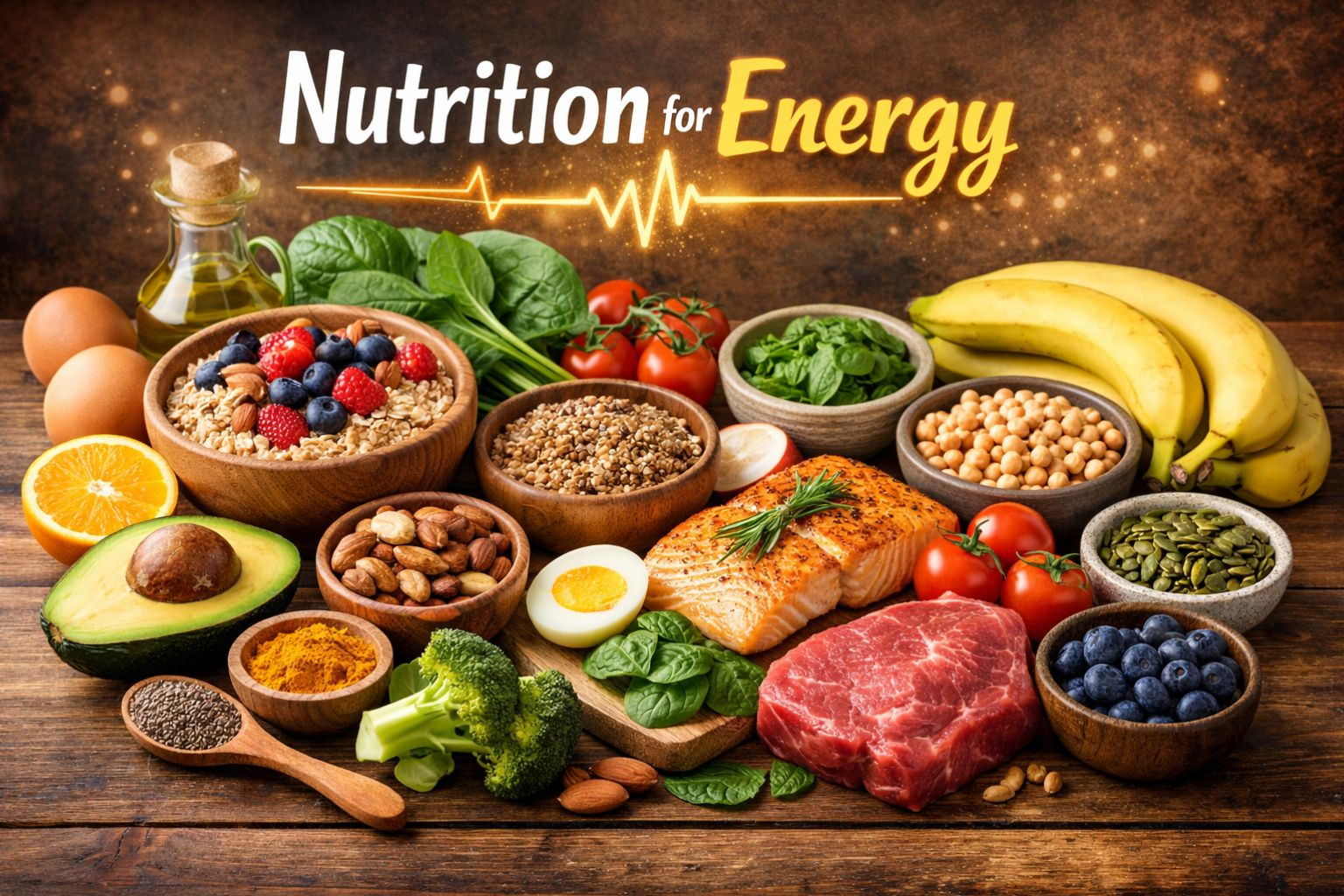

The best nutrients for healthy aging are not about chasing youth, but about protecting vitality, resilience, and function as the body moves through time. Aging is a natural biological process, yet how a person ages is deeply influenced by daily nutritional choices. While genetics play a role, decades of research show that nutrition shapes how cells repair themselves, how inflammation is managed, and how organs maintain function over the years.
- Understanding Aging at the Cellular Level
- Why Nutrition Matters More With Age
- Protein: Preserving Strength and Structure
- Omega-3 Fatty Acids: Supporting Longevity from Within
- Antioxidant Vitamins: Defending Against Cellular Stress
- B Vitamins: Energy, Brain, and Nervous System Support
- Vitamin D: Bone, Muscle, and Immune Health
- Minerals That Support Aging Gracefully
- Phytonutrients: Nature’s Longevity Compounds
- Gut Health and Nutrient Absorption
- Lifestyle Integration: Making Nutrition Sustainable
- Conclusion
- Frequently Asked Questions (FAQs)
Healthy aging is not measured only by appearance. It is reflected in energy levels, mental clarity, mobility, immune strength, skin integrity, and emotional balance. Nutrition acts quietly in the background, supporting these systems long before visible changes appear. Rather than reversing age, the right nutrients help the body age well, preserving quality of life and independence.
This article explores how specific nutrients support healthy aging from the inside out. Through a physiological lens and real-world context, it explains how nutrition works at the cellular level, how it supports daily function, and how it can be integrated into a balanced lifestyle. The goal is not perfection, but informed, sustainable nourishment that supports long-term well-being.
Understanding Aging at the Cellular Level
Aging begins at the cellular level long before outward signs appear. Over time, cells experience accumulated damage from metabolic processes, environmental exposure, and oxidative stress. The body constantly works to repair this damage, but repair mechanisms naturally slow with age.
Key biological processes involved in aging include:
- Oxidative stress, where unstable molecules damage cells
- Chronic low-grade inflammation, often called “inflammaging.”
- Mitochondrial decline, reducing energy production
- Reduced collagen and protein synthesis, affecting skin, joints, and organs
- Impaired nutrient absorption, especially with advancing age
Nutrients act as cofactors in these systems. They support enzyme activity, DNA repair, immune signalling, and tissue regeneration. Without adequate nutritional input, these processes become less efficient, accelerating functional decline.
Why Nutrition Matters More With Age
As the body ages, nutritional needs shift. Appetite may decrease, digestion may slow, and absorption of certain nutrients may become less efficient. At the same time, the demand for protective nutrients increases due to cumulative stress on the body.
Nutrition supports healthy aging by:
- Maintaining muscle mass and bone density
- Supporting brain health and cognitive function
- Preserving skin elasticity and connective tissue
- Regulating inflammation and immune response
- Supporting cardiovascular and metabolic health
Rather than focusing on restrictive diets, healthy aging emphasizes nutrient density—getting more nourishment from each bite.
Protein: Preserving Strength and Structure
Protein becomes increasingly important with age. It supplies amino acids that the body uses to build muscle, repair tissues, produce enzymes, and maintain immune defences.
Physiological Role in Aging
With age, muscle protein synthesis becomes less efficient, a process known as anabolic resistance. Without adequate protein intake, muscle loss (sarcopenia) can occur, increasing the risk of frailty, falls, and loss of independence.
Protein also supports:
- Collagen production for skin and joints
- Enzyme and hormone synthesis
- Immune cell regeneration
Real-Life Context
Many older adults unintentionally reduce protein intake due to appetite changes or dietary habits formed earlier in life. Over time, this subtle deficit can affect strength and recovery.
Practical Takeaways
- Spread protein intake evenly throughout the day.
- Include high-quality sources such as legumes, dairy, eggs, fish, or lean meat.s
- Pair protein with resistance-based movement for best results
Omega-3 Fatty Acids: Supporting Longevity from Within
Omega-3 fatty acids play a vital role in maintaining cellular integrity and regulating inflammation, both critical for healthy aging.
How Omega-3s Support Aging
These fats are incorporated into cell membranes, improving flexibility and communication between cells. Omega-3s also influence inflammatory signalling pathways, helping prevent chronic low-grade inflammation associated with aging.
They are particularly supportive of:
- Brain and cognitive health
- Cardiovascular function
- Joint mobility
- Skin hydration and elasticity
Everyday Relevance
Populations with higher omega-3 intake often show better cognitive aging and lower rates of age-related inflammatory conditions.
Practical Takeaways
- Include fatty fish or plant-based sources regularly
- Balance omega-3 intake with reduced excess omega-6 fats
- Consistency matters more than high doses
Antioxidant Vitamins: Defending Against Cellular Stress
Antioxidants help neutralize oxidative stress, a key contributor to cellular aging.
Vitamin C
Vitamin C supports collagen synthesis, immune defence, and cellular repair. As collagen production declines with age, vitamin C becomes essential for maintaining skin integrity, joint health, and wound healing.
Vitamin E
Vitamin E protects cell membranes from oxidative damage and supports immune regulation, especially important as immune responsiveness declines with age.
Real-Life Perspective
Oxidative stress accumulates silently. Diets low in antioxidant-rich foods may not show immediate consequences but contribute to long-term tissue wear.
Practical Takeaways
- Prioritize whole-food sources over supplements
- Combine antioxidants with healthy fats for better absorption
- Variety across fruits and vegetables matters
B Vitamins: Energy, Brain, and Nervous System Support
B vitamins play a foundational role in healthy aging, particularly for brain function and energy metabolism.
Key Roles in Aging
- Vitamin B12 supports nerve integrity and cognitive function
- Folate (B9) supports DNA synthesis and cell division
- Vitamin B6 supports neurotransmitter production
Deficiencies become more common with age due to reduced stomach acid and absorption challenges.
Real-Life Impact
Low B vitamin status has been associated with fatigue, cognitive decline, and mood changes in aging populations.
Practical Takeaways
- Monitor B12 intake, especially with plant-based diets
- Prioritize whole grains, legumes, and leafy greens
- Seek medical guidance if symptoms arise
Vitamin D: Bone, Muscle, and Immune Health
Vitamin D is essential for calcium absorption, muscle strength, and immune regulation—three pillars of healthy aging.
Why Vitamin D Matters More Over Time
Reduced sun exposure, skin synthesis, and dietary intake can lead to low vitamin D levels with age, increasing the risk of bone loss and muscle weakness.
Practical Takeaways
- Combine sunlight exposure with dietary sources
- Pair vitamin D with calcium and magnesium
- Testing may be helpful for individualized needs
Minerals That Support Aging Gracefully
Calcium and Magnesium
These minerals work together to support bone strength, muscle contraction, and nerve signalling. Magnesium also supports energy production and sleep quality.
Zinc
Zinc supports immune resilience, wound healing, and cellular repair—functions that naturally slow with age.
Selenium
Selenium supports antioxidant enzymes that protect cells from oxidative damage.
Practical Takeaways
- Balance mineral intake rather than focusing on one
- Avoid excessive supplementation without guidance
- Whole foods provide better mineral synergy
Phytonutrients: Nature’s Longevity Compounds
Phytonutrients are plant-based compounds that influence cellulsignallinging, inflammation, and detoxification pathways.
How They Support Aging
Phytonutrients interact with genes involved in stress resistance and cellular repair, helping the body adapt to aging-related stressors.
Everyday Relevance
Diets richcolourfulrful plant foods are consistently associated with healthier aging outcomes.
Practical Takeaways
- Eat a colour spectrum daily
- Rotate plant foods seasonally
- Focus on whole, minimally processed plants
Gut Health and Nutrient Absorption
As digestion changes with age, gut health becomes central to nutrient absorption and immune balance.
Why the Gut Matters in Aging
A diverse microbiome supports:
- Efficient nutrient extraction
- Reduced inflammation
- Immune communication
Practical Takeaways
- Fibre-rich foods daily
- Fermented foods support microbial balance
- Hydration supports digestion
Lifestyle Integration: Making Nutrition Sustainable
Healthy aging is not built on extremes. It thrives on consistency, flexibility, and enjoyment.
When Nutrition Helps Most
- Preventing nutrient deficiencies
- Supporting recovery and resilience
- Preserving independence
When Medical Guidance Is Needed
- Persistent fatigue or weakness
- Sudden weight or appetite changes
- Memory or neurological concerns
Conclusion
Healthy aging is not about resisting time, but about supporting the body as it evolves. The best nutrients for healthy aging work quietly, strengthening systems that sustain energy, movement, cognition, and resilience. Through balanced nutrition, thoughtful lifestyle habits, and informed choices, aging can become a process of adaptation rather than decline.
Nourishment is not a cure, but it is a powerful form of care—one that supports vitality from the inside out, helping individuals age with confidence, clarity, and strength.
Frequently Asked Questions (FAQs)
(Schema-ready: FAQPage)
1. What are the best nutrients for healthy aging?
The best nutrients for healthy aging include protein, omega-3 fatty acids, antioxidant vitamins, B vitamins, vitamin D, essential minerals, and phytonutrients. Together, they support cellular repair, brain health, muscle strength, immune balance, and overall resilience as the body ages.
2. Can nutrition really slow the aging process?
Nutrition does not stop aging, but it can influence how the body ages. Adequate nutrients support repair mechanisms, reduce inflammation, and protect cells, helping preserve function and quality of life over time.
3. Why do nutrient needs change with age?
As people age, digestion, absorption, and metabolism change. The body may require higher intake of certain nutrients to maintain muscle, bone density, cognitive function, and immune strength.
4. Is protein more important as you get older?
Yes. Protein supports muscle maintenance, tissue repair, and immune health. Aging reduces the efficiency of muscle protein synthesis, making consistent protein intake especially important.
5. Are supplements necessary for healthy aging?
Supplements may help when deficiencies exist, but whole foods are preferred. Medical guidance is recommended before starting supplements, as individual needs vary.
6. How do omega-3 fatty acids support aging?
Omega-3s support brain health, joint mobility, heart function, and inflammation regulation. They help maintain cell membrane integrity, which is essential for healthy aging.
7. What role does gut health play in aging?
Gut health affects nutrient absorption, immune regulation, and inflammation. A healthy microbiome supports efficient digestion and overall metabolic balance as the body ages.
8. Can antioxidants prevent aging-related damage?
Antioxidants help neutralize oxidative stress, which contributes to cellular aging. While they cannot prevent aging entirely, they support cellular protection and resilience.
9. Is vitamin D important for older adults?
Vitamin D supports bone strength, muscle function, and immune health. Aging reduces vitamin D synthesis, making adequate intake increasingly important.
10. When should someone seek medical advice about nutrition and aging?
Medical guidance is recommended for unexplained fatigue, muscle weakness, cognitive changes, digestive issues, or when considering supplementation to address specific health concerns.