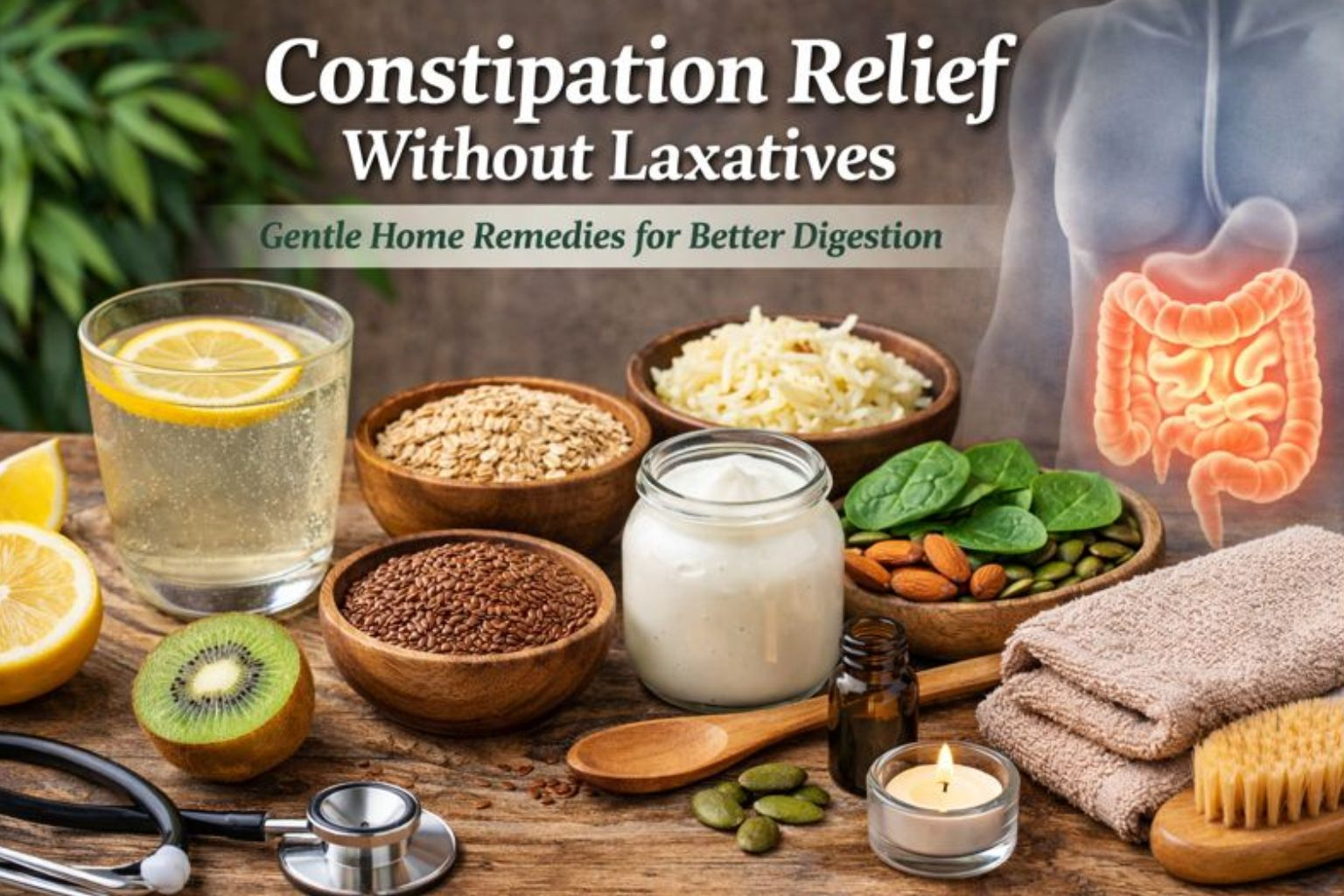
Constipation is an incredibly common, yet frustrating, digestive issue that affects millions of Americans each year. Beyond the discomfort and bloating it causes, it can disrupt daily routines and lower the overall quality of life. While most people experience occasional constipation, for some, it can become a chronic issue, leaving them searching for instant solutions.
Many people turn to harsh medications, which may offer temporary relief but often come with unwanted side effects. However, there are natural and effective ways to stimulate bowel movements and relieve constipation without relying on chemical treatments. Whether you’re dealing with constipation for the first time or you’re a chronic sufferer, understanding the best home remedies for constipation relief can significantly enhance your digestive wellness.
In this guide, we will explore the most effective instant home remedies for constipation, from simple dietary changes to natural laxatives. These remedies are safe, easy to implement, and backed by expert recommendations, offering you long-term digestive wellness. Whether you’re in Los Angeles, Miami, Chicago, or New York, these remedies are easy to adopt and can be done right in your own home.
What Causes Constipation?
Before diving into the remedies, it’s important to understand the underlying causes of constipation. Identifying these factors can help guide you toward the most effective solutions and prevent the issue from recurring.
1. Low-Fibre Diet
A diet low in fibre is one of the leading causes of constipation. Fibre adds bulk to the stool and helps it move more easily through the digestive tract. Without enough fiber, stools can become hard and difficult to pass, leading to constipation.
2. Dehydration
When your body is dehydrated, it absorbs more water from the stool, making it dry and difficult to pass. Drinking enough water daily is crucial to keep your digestive system running smoothly.
3. Sedentary Lifestyle
Lack of physical activity can slow down the digestive process. Movement stimulates the muscles of the digestive system, helping move food through the intestines. A sedentary lifestyle can result in sluggish digestion and constipation.
4. Stress and Anxiety
Your mental health can significantly impact your digestive system. High levels of stress can interfere with your body’s ability to regulate bowel movements, often leading to constipation.
5. Certain Medications
Some medications, such as painkillers, antacids, and certain antidepressants, can slow down bowel movements and cause constipation as a side effect.
By understanding these causes, you can more effectively address constipation through lifestyle changes and natural remedies.
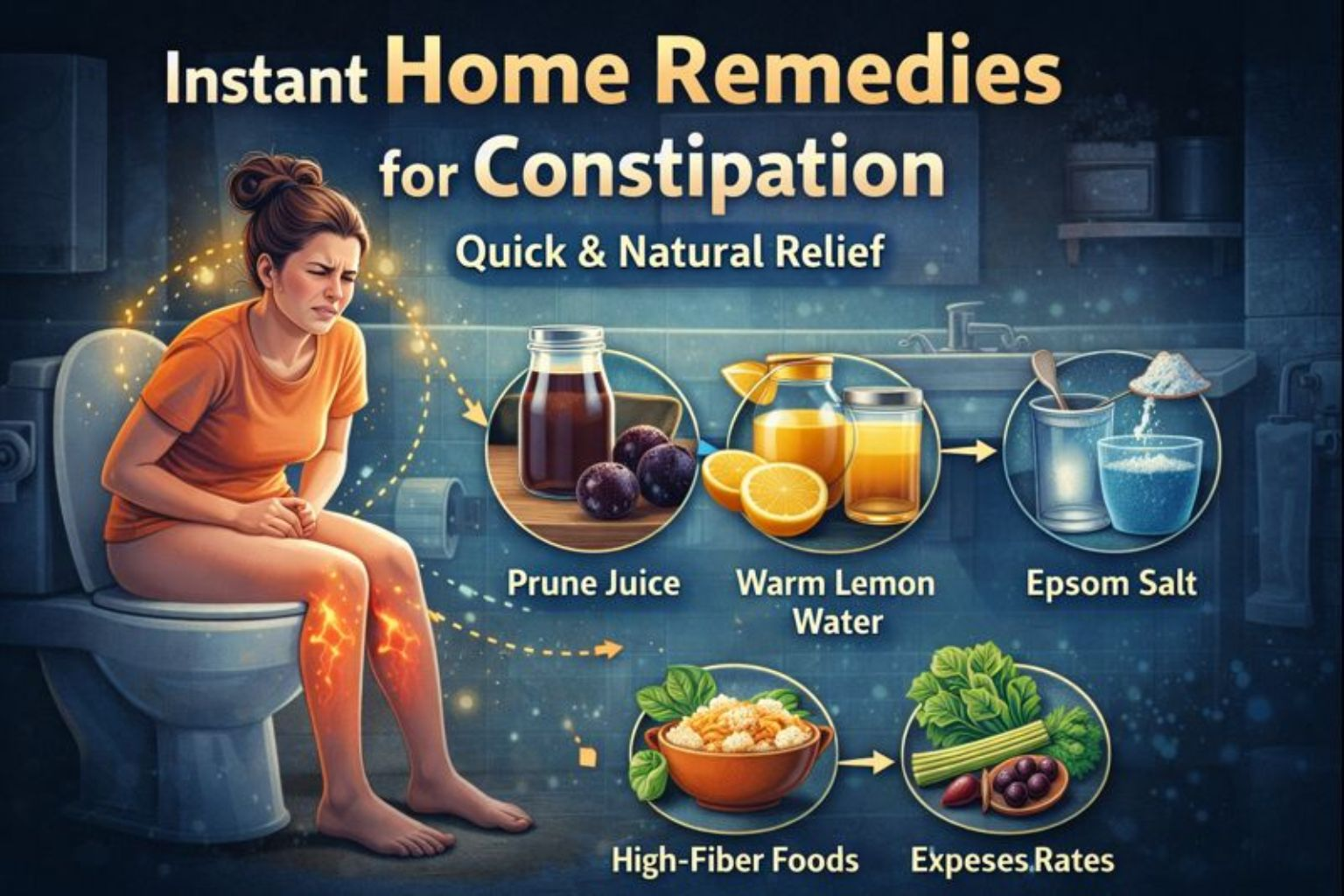
Top 5 Instant Home Remedies for Constipation Relief
When you need immediate relief, these home remedies have proven to be both effective and quick-acting. These natural solutions can help stimulate bowel movements, relieve discomfort, and restore gut balance.
1. Drink Warm Lemon Water
One of the simplest yet most effective remedies for constipation is warm lemon water. Lemon has natural digestive-stimulating properties. The acidity in lemon juice helps to kickstart your digestive system, while the warm water hydrates the intestines, making it easier for stools to pass.
How to Use:
Squeeze half a lemon into a glass of warm water and drink it on an empty stomach first thing in the morning. This simple remedy works wonders for chronic constipation and helps prevent future digestive issues.Why It Works:
The citric acid in lemon promotes bile production in the liver, which aids in digestion. Additionally, the warm water helps hydrate the digestive system, stimulating peristalsis (muscle contractions) to move stools along.
2. Prune Juice – Nature’s Laxative
For centuries, prunes have been known as one of the best natural laxatives. Prune juice contains high levels of sorbitol, a sugar alcohol that helps soften stools by drawing water into the intestines.
How to Use:
Drink one glass of prune juice in the morning and another at night. For best results, drink it on an empty stomach.Why It Works:
Sorbitol is a natural laxative that promotes bowel movements by drawing water into the stool. Additionally, prunes are rich in fibre, which further aids in relieving constipation.
3. High-Fibre Foods to Soften Stool
Dietary fibre plays a crucial role in softening stools and facilitating easy bowel movements. When you consume high-fibre foods, the fibre absorbs water and adds bulk to the stool, making it easier for your body to eliminate waste.
Best Fibre-Rich Foods:
- Oatmeal
- Leafy greens (Spinach, kale)
- Beans & lentils
- Berries (Strawberries, raspberries, blackberries)
- Chia seeds & flaxseeds (add them to smoothies or oatmeal)
Why It Works:
Foods rich in insoluble fibre help create bulk in the stool, while soluble fibre helps to soften it. The combination promotes easier and more frequent bowel movements.
4. The Thumb Trick for Pooping
Though it may sound unconventional, the thumb trick is a surprisingly effective way to relieve constipation. This simple method stimulates the digestive system by applying gentle pressure to the thumb point on your hand.
How to Use:
Press your thumb against the palm of your opposite hand and hold for 30 seconds. This stimulates digestion and can trigger a bowel movement.Why It Works:
The thumb trick targets acupressure points, which can help relieve digestive blockages and stimulate bowel movements. It’s a quick, non-invasive trick that can offer instant relief.
5. Olive Oil for Quick Relief
Extra virgin olive oil is another effective remedy for constipation relief. It acts as a natural stool softener and lubricates the digestive tract, making it easier for stools to pass.
How to Use:
Take one tablespoon of extra virgin olive oil in the morning. You can also mix it with lemon juice for an added digestive boost.Why It Works:
Olive oil lubricates the intestines, allowing stools to pass more easily. It also stimulates bile production, further aiding digestion.
Additional Home Remedies for Constipation
In addition to the top remedies mentioned above, several other instant home remedies can help relieve constipation quickly.
1. Hydration is Key
Drinking adequate amounts of water is vital to prevent dehydration and constipation. Dehydration is one of the primary causes of hard stools. Drinking 8-10 glasses of water daily can help maintain regular bowel movements.
Why It Works:
Proper hydration helps soften stools, making them easier to pass.
2. Epsom Salt Water
Epsom salt, or magnesium sulphate, is a known laxative. When dissolved in water, it helps draw water into the intestines, softening the stool and promoting bowel movements.
How to Use:
Dissolve one teaspoon of Epsom salt in warm water and drink it on an empty stomach. This remedy can provide fast relief.
3. Coconut Water for Digestion
Coconut water is an excellent hydrator, rich in electrolytes like potassium and magnesium that support digestion.
How to Use:
Drink one to two glasses of fresh coconut water daily to keep the digestive system moving smoothly.
4. Probiotic-Rich Foods
Probiotics are essential for gut health. Foods like yogurt, kefir, and fermented vegetables contain beneficial bacteria that support digestion and prevent constipation.
Why It Works:
Probiotics help balance the gut microbiome, leading to better digestion and more regular bowel movements.
5. Herbal Teas
Certain herbal teas can help relax the digestive tract and promote bowel movements. Peppermint, ginger, and senna teas are known to aid digestion.
How to Use:
Drink a warm cup of herbal tea before bedtime for constipation relief the following morning.
Conclusion and Final Tips
Constipation can be a painful and frustrating condition, but these instant home remedies can provide quick and natural relief. By incorporating fibre-rich foods, staying hydrated, and using simple remedies like prune juice and warm lemon water, you can promote regular bowel movements and improve your digestive health.
Remember, maintaining a healthy diet, staying active, and managing stress are all essential components of long-term constipation relief.
If you’re looking for more health tips and natural wellness solutions, subscribe to our newsletter for expert advice delivered straight to your inbox! Share your experiences with these remedies in the comments below.
FAQs About Instant Home Remedies for Constipation
1. What are the quickest home remedies for constipation relief?
The quickest home remedies for constipation include drinking warm lemon water, consuming prune juice, eating fibre-rich foods, and using natural oils like olive oil. These remedies work by hydrating the digestive system and softening the stool, making bowel movements easier.
2. How long does it take for home remedies to relieve constipation?
Home remedies for constipation often provide relief within 12-24 hours, depending on the remedy and the individual’s digestive health. Remedies like prune juice or fibre-rich foods typically show quicker results.
3. Is it safe to use home remedies for constipation every day?
Yes, many home remedies like drinking water, eating fibre, and using natural oils are safe to use daily. However, it’s important to maintain a balanced diet and avoid over-relying on remedies like laxatives. For chronic constipation, it’s best to consult a healthcare provider.
4. Can constipation be caused by dehydration?
Yes, dehydration is one of the most common causes of constipation. When the body lacks water, the colon absorbs more water from the stool, leading to dry and hard stools that are difficult to pass. Drinking plenty of water is essential to relieve constipation.
5. What foods should I avoid if I’m constipated?
If you’re constipated, it’s best to avoid processed foods, cheese, and red meat, as they are low in fibre and can contribute to constipation. Instead, focus on eating fibre-rich foods like fruits, vegetables, and whole grains.
6. Can I relieve constipation with just water?
Drinking water is one of the most effective home remedies for constipation. Staying hydrated helps soften the stool, making it easier to pass. Aim for at least 8 cups of water daily to keep your digestive system functioning properly.
7. What is the best natural laxative for constipation relief?
Some of the best natural laxatives for constipation include prune juice, castor oil (used sparingly), psyllium husk, and senna tea. These natural remedies help stimulate bowel movements and soften the stool.
8. Are there any herbs that help relieve constipation?
Yes, several herbs can help relieve constipation, including peppermint, ginger, chamomile, and senna. These herbs have natural laxative properties and can help relax the digestive muscles, making it easier to pass stool.
9. How do I know when to see a doctor for constipation?
If constipation persists for more than 3 weeks despite home remedies, or if you experience severe symptoms like abdominal pain, blood in stool, or unexplained weight loss, it’s important to consult a doctor. These may indicate a more serious condition.
10. Is yogurt good for constipation relief?
Yes, yogurt is beneficial for constipation relief because it contains probiotics that help balance gut bacteria. The beneficial bacteria in yogurt support digestion and promote regular bowel movements. Choose plain yogurt with live cultures for the best results.
Read Relevant for More Health Guides:
- Constipation Relief Without Laxatives: Gentle Digestive Support
- How to Reduce Belly Fat Naturally with Simple Home Remedies
- How to Choose the Right Supplements for Your Health Goals
- How Nutrition Affects Sleep Quality | Foods, Nutrients & Better Rest
Need instant relief? Try these remedies and let us know what works for you in the comments! ⬇️
References
- National Institute of Diabetes and Digestive and Kidney Diseases. “Constipation.” https://www.niddk.nih.gov
- Mayo Clinic. “Constipation: Symptoms and Causes.” https://www.mayoclinic.org
- Harvard Medical School. “The Importance of Fibre for Digestive Health.” https://www.health.harvard.edu
- Cleveland Clinic. “Natural Laxatives and Home Remedies for Constipation.” https://my.clevelandclinic.org
- American Gastroenterological Association. “Managing Chronic Constipation.” https://www.gastro.org