Lower blood pressure is not just a medical goal—it is often a deeply personal one. For many people, the diagnosis of high blood pressure arrives quietly, sometimes discovered during a routine check-up, other times after months or years of subtle warning signs like fatigue, headaches, or dizziness. It can feel unsettling to learn that something so important is happening inside the body without obvious symptoms.
- Understanding High Blood Pressure: Why It Matters
- Why Consider Natural Blood Pressure Remedies?
- The Subtle Triggers That Raise Blood Pressure
- Remedy One: Nourishing the Body with a Heart-Healthy Diet
- Remedy Two: Reducing Sodium Without Sacrificing Flavour
- Remedy Three: Moving the Body to Relax the Arteries
- Remedy Four: Managing Stress to Calm the Nervous System
- Remedy Five: Improving Sleep Quality for Heart Health
- The Role of Weight, Alcohol, and Hydration
- When Natural Remedies Work Best
- When to Seek Medical Guidance
- Frequently Asked Questions (FAQs)
- Final Thoughts: A Sustainable Path to Heart Health
Hypertension, often called the “silent condition,” affects millions of people worldwide. While medications are essential and lifesaving for many, an increasing number of individuals are searching for natural ways to lower blood pressure—approaches that work alongside medical care to support the heart, calm the nervous system, and restore balance to everyday life.
This article explores how to naturally lower blood pressure through five effective, evidence-informed home remedies. Written in a calm, reassuring, and storytelling tone, it is designed for health-conscious readers who want to understand their bodies better and take meaningful steps toward long-term heart health.
Understanding High Blood Pressure: Why It Matters
Blood pressure measures the force of blood pushing against the walls of the arteries as the heart pumps. When that pressure remains consistently high, it places extra strain on blood vessels, the heart, kidneys, and brain.
Hypertension does not usually announce itself loudly. Many people feel completely normal while damage quietly accumulates. Over time, uncontrolled high blood pressure increases the risk of heart disease, stroke, kidney disease, and vision problems.
What makes this condition especially challenging is that it is influenced by many factors—diet, stress, activity levels, sleep, genetics, and emotional health. This complexity is also what makes natural remedies so valuable. They address the whole system rather than just a single number on a blood pressure monitor.
Why Consider Natural Blood Pressure Remedies?
For people newly diagnosed with hypertension, the conversation often begins with medication. For others, it begins with lifestyle changes. In reality, the most effective approach usually combines both.
Natural remedies are not a replacement for prescribed treatment. Instead, they are supportive strategies that can:
- Improve overall cardiovascular health
- Reduce stress-related blood pressure spikes
- Enhance the effectiveness of medical treatment
- Promote sustainable, long-term habits
Lowering blood pressure naturally is less about quick fixes and more about creating an internal environment where the heart can function with less resistance and strain.
The Subtle Triggers That Raise Blood Pressure
High blood pressure rarely has a single cause. It builds gradually, influenced by daily habits and long-term patterns.
Common contributors include:
- Chronic stress and emotional tension
- Excess sodium intake
- Lack of physical activity
- Poor sleep quality
- Dehydration
- Diets low in potassium, magnesium, and fibre
Understanding these triggers helps explain why home-based remedies—simple changes practiced consistently—can have a meaningful impact.
Remedy One: Nourishing the Body with a Heart-Healthy Diet
One of the most powerful ways to lower blood pressure naturally begins on the plate. Food is not just fuel; it is information for the body. Every meal sends signals that can either relax or tighten blood vessels.
Diets rich in whole, unprocessed foods support healthy blood pressure by reducing inflammation, improving vascular flexibility, and balancing electrolytes.
Fruits, vegetables, whole grains, legumes, and healthy fats provide potassium, magnesium, antioxidants, and fibre—nutrients known to support cardiovascular health. Potassium, in particular, helps counteract the effects of sodium and supports proper muscle and nerve function, including the muscles that regulate blood vessel tone.
Over time, people who adopt heart-friendly eating patterns often notice more stable energy levels, improved digestion, and gradual improvements in blood pressure readings.
Remedy Two: Reducing Sodium Without Sacrificing Flavour
Excess sodium is one of the most well-established contributors to high blood pressure. Sodium causes the body to retain water, increasing blood volume and pressure within the arteries.
However, lowering sodium does not mean eating bland food. Many people are surprised to discover that most dietary sodium comes not from salt added at the table, but from processed and packaged foods.
Cooking at home using fresh ingredients allows better control over sodium intake while opening the door to flavorful alternatives such as herbs, spices, citrus, garlic, and vinegar. These additions enhance taste without increasing blood pressure.
Reducing sodium gradually gives the palate time to adjust, making the transition more sustainable and enjoyable.
Remedy Three: Moving the Body to Relax the Arteries
Physical activity is often associated with weight loss, but its impact on blood pressure goes far beyond the scale. Regular movement helps blood vessels become more flexible and responsive, reducing resistance as blood flows through them.
Gentle, consistent exercise—such as walking, cycling, swimming, or yoga—can significantly support hypertension treatment at home. Movement also improves insulin sensitivity, reduces stress hormones, and supports better sleep.
Importantly, lowering blood pressure through activity does not require intense workouts. Even moderate movement, practiced most days of the week, can create meaningful change over time.
Remedy Four: Managing Stress to Calm the Nervous System
Stress is a powerful and often underestimated driver of high blood pressure. When the body perceives stress, it releases hormones that temporarily raise heart rate and constrict blood vessels. When stress becomes chronic, these temporary changes can turn into persistent elevation.
Learning to manage stress is not about eliminating challenges from life. It is about changing how the body responds to them.
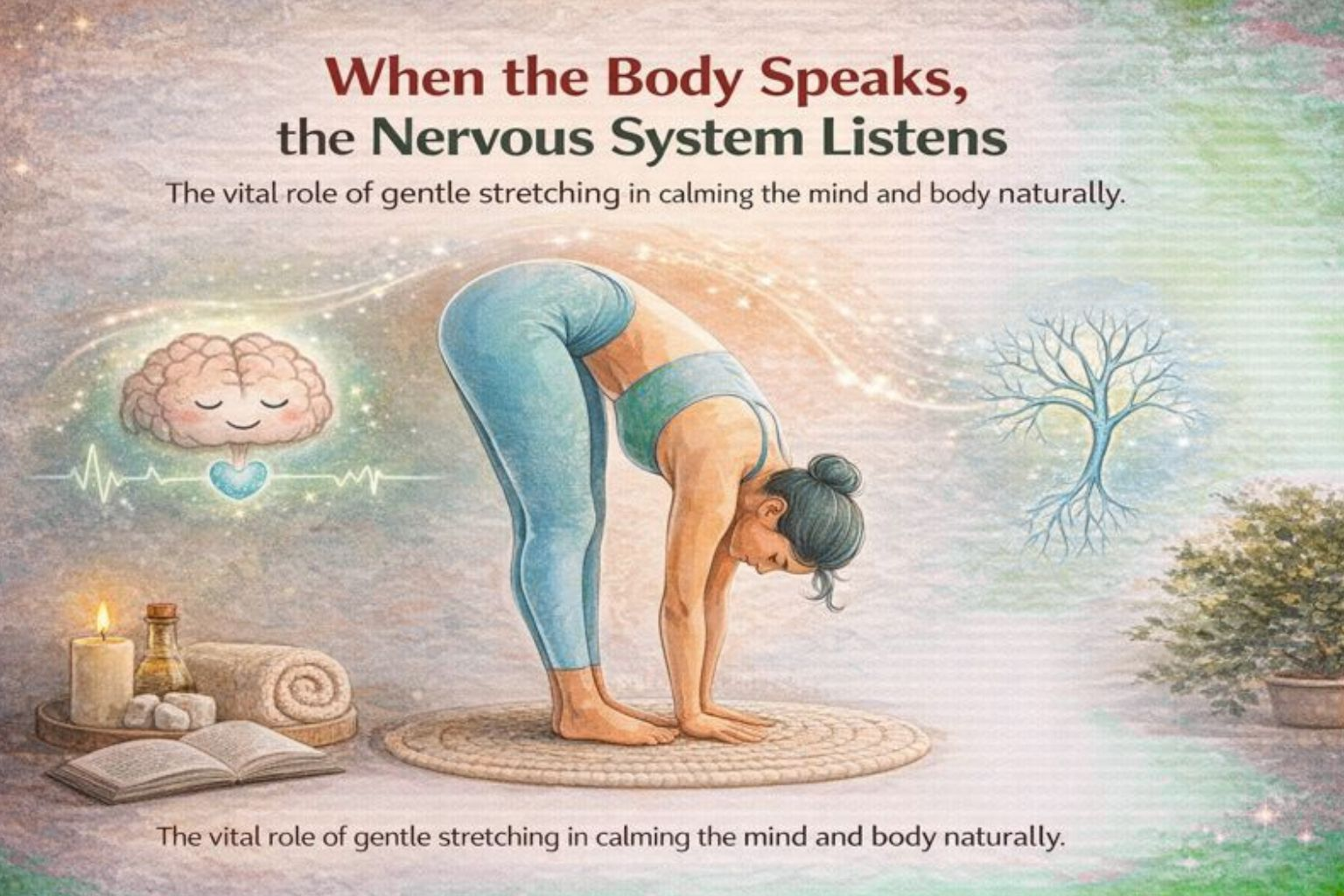
Practices such as deep breathing, meditation, gentle stretching, and mindfulness help shift the nervous system out of a constant state of alert. As the body relaxes, blood vessels widen, heart rate slows, and blood pressure naturally decreases.
Over time, stress management becomes one of the most effective and sustainable home remedies for hypertension.
Remedy Five: Improving Sleep Quality for Heart Health
Sleep is often overlooked in conversations about blood pressure, yet it plays a critical role in cardiovascular regulation. During deep sleep, the body repairs blood vessels, balances hormones, and allows blood pressure to dip naturally.
Poor or insufficient sleep disrupts these processes, leading to higher blood pressure during the day. Over time, this disruption increases cardiovascular risk.
Creating a consistent sleep routine, limiting screen exposure before bed, and maintaining a calm sleep environment can significantly improve sleep quality. Many people notice that better sleep supports not only blood pressure but also mood, focus, and overall well-being.
The Role of Weight, Alcohol, and Hydration
Natural blood pressure control also involves paying attention to factors that subtly influence cardiovascular strain.
Maintaining a healthy weight reduces the workload on the heart. Limiting alcohol intake helps prevent blood pressure spikes. Staying well-hydrated supports proper circulation and kidney function.
Each of these elements contributes to a broader picture of heart health, reinforcing the benefits of the core remedies described above.
When Natural Remedies Work Best
Natural approaches to lowering blood pressure are most effective when practiced consistently and viewed as long-term habits rather than short-term interventions.
They work best:
- In early or mild hypertension
- As supportive care alongside medication
- When tailored to individual needs and preferences
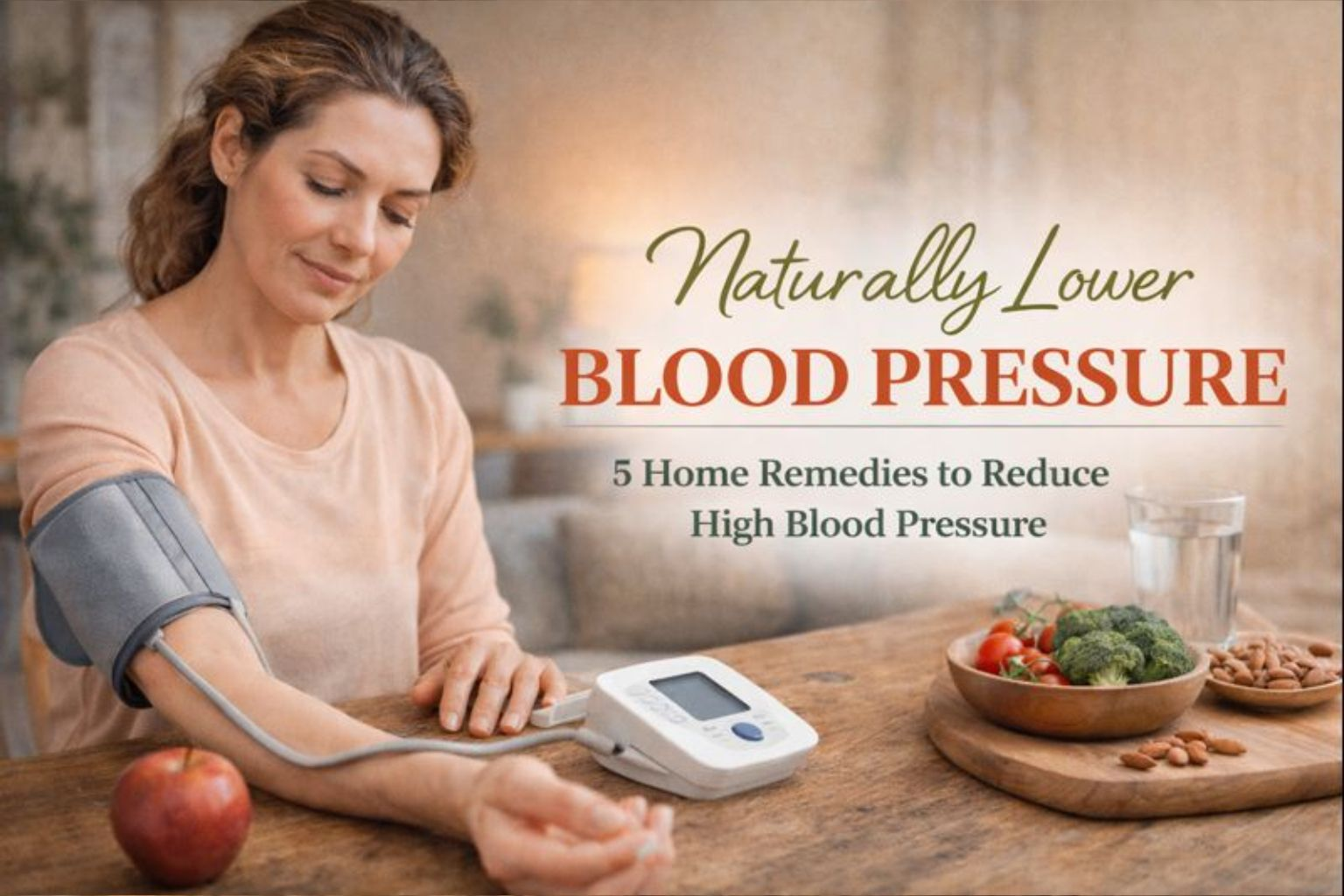
Regular monitoring of blood pressure at home helps track progress and ensures that changes are working safely and effectively.
When to Seek Medical Guidance
While natural remedies are powerful, they are not appropriate for all situations on their own. Very high blood pressure, sudden changes, or symptoms such as chest pain, shortness of breath, or vision changes require immediate medical attention.
Natural strategies should always complement—not replace—professional care, especially for individuals with existing cardiovascular conditions.
Frequently Asked Questions (FAQs)
1. What are natural ways to lower blood pressure?
Natural ways to lower blood pressure include eating a heart-healthy diet, reducing sodium intake, exercising regularly, managing stress, and improving sleep quality. These lifestyle changes support blood vessel health and help reduce strain on the heart over time.
2. How can I reduce high blood pressure naturally?
High blood pressure can be reduced naturally by adopting consistent habits such as balanced nutrition, regular physical activity, stress reduction techniques, adequate hydration, and maintaining healthy sleep patterns.
3. Are there home remedies to treat hypertension?
Yes, home remedies for hypertension include dietary changes, limiting processed foods, engaging in gentle exercise, practicing relaxation techniques, and improving sleep hygiene. These approaches help support long-term blood pressure control.
4. Can stress really raise blood pressure?
Yes, chronic stress can lead to sustained increases in blood pressure by keeping the nervous system in a heightened state. Managing stress helps relax blood vessels and supports healthier cardiovascular function.
5. Does reducing salt help lower blood pressure?
Reducing salt intake can significantly help lower blood pressure, especially for individuals sensitive to sodium. Choosing fresh foods and using herbs for flavour can make this change easier and more sustainable.
6. How much exercise is needed to lower blood pressure?
Moderate exercise, such as brisk walking for about 30 minutes most days of the week, can help lower blood pressure. Consistency is more important than intensity.
7. Can sleep affect blood pressure levels?
Yes, poor sleep quality or insufficient sleep can disrupt blood pressure regulation. Improving sleep habits allows the body to restore cardiovascular balance naturally.
8. Is weight loss important for blood pressure control?
Maintaining a healthy weight reduces strain on the heart and blood vessels, making it easier to manage blood pressure naturally over time.
9. How long does it take to see results from natural remedies?
Some people notice improvements within weeks, while others see gradual changes over months. Natural blood pressure control is a long-term process that depends on consistency.
10. Should I stop medication if my blood pressure improves naturally?
No, medication should never be stopped without medical guidance. Natural remedies can support treatment, but any medication changes must be supervised by a healthcare provider.
Final Thoughts: A Sustainable Path to Heart Health
Lowering blood pressure naturally is not about perfection. It is about small, meaningful choices repeated daily—choosing nourishing foods, moving the body with care, managing stress, and honouring the need for rest.
These home remedies do more than support healthy blood pressure. They build a foundation for lifelong heart health, resilience, and overall well-being. When approached with patience and consistency, natural strategies can become powerful allies on the journey toward a healthier, more balanced life.