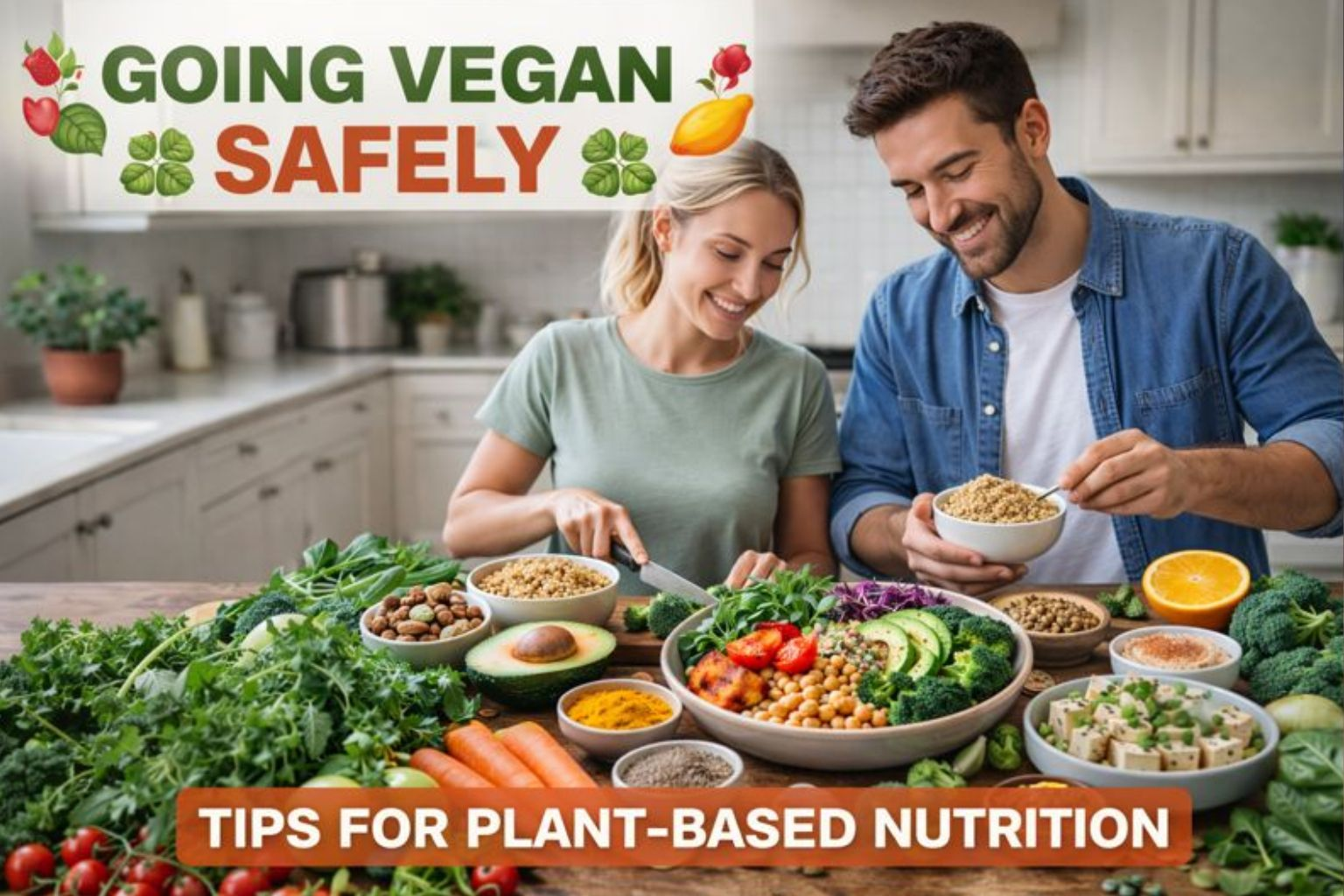
Plant-based nutrition has become one of the most talked-about dietary approaches in modern wellness, drawing interest from people seeking better health, ethical living, and environmental sustainability. Yet for many, the decision to go vegan brings equal parts curiosity and concern—especially around safety, nutrient adequacy, and long-term wellbeing.
- Understanding Plant-Based Nutrition Beyond the Trend
- Why People Choose to Go Vegan
- How the Body Adapts to a Vegan Diet
- Common Nutritional Concerns in Vegan Diets—and How to Address Them Safely
- The Importance of a Gradual Transition
- Whole Foods vs. Processed Vegan Foods
- Plant-Based Nutrition Across Different Life Stages
- When Medical Guidance Is Necessary
- Practical Takeaways for Going Vegan Safely
- Conclusion
- FAQs (Schema-Ready)
Stories often circulate of individuals who felt energized and lighter after switching to a vegan lifestyle, while others describe fatigue, digestive issues, or nutrient deficiencies when the transition was rushed or poorly planned. These contrasting experiences highlight an important truth: going vegan safely requires more than simply removing animal products—it requires thoughtful nourishment.
This article explores how plant-based nutrition works within the human body, why people choose vegan diets, and how to transition safely using evidence-informed principles. Through physiology-based explanations, real-life context, and practical guidance, readers will gain a balanced understanding of how to build a nutritionally complete vegan lifestyle that supports health rather than undermines it.
Understanding Plant-Based Nutrition Beyond the Trend
Plant-based nutrition refers to a dietary pattern centred on foods derived from plants, including vegetables, fruits, legumes, whole grains, nuts, seeds, and plant oils. While vegan diets exclude all animal products, plant-based eating exists on a spectrum—from predominantly plant-forward diets to strictly vegan lifestyles.
What differentiates plant-based nutrition from many fad diets is its alignment with human physiology. The digestive system is well-equipped to process complex carbohydrates, fibre, phytonutrients, and plant proteins. These components interact with gut bacteria, metabolic pathways, and inflammatory processes in ways that influence overall health.
Fibre, for example, feeds beneficial gut microbes that produce short-chain fatty acids—compounds associated with improved gut integrity, immune modulation, and metabolic health. Phytochemicals found in colourful plants help neutralize oxidative stress, supporting cellular health over time.
However, plant-based nutrition is not automatically balanced. Highly processed vegan foods, refined carbohydrates, and nutrient-poor substitutions can undermine the benefits. Safety comes from intentional dietary design rather than dietary labels.
Why People Choose to Go Vegan
The reasons people adopt vegan diets vary widely and often overlap.
Health-Oriented Motivations
Many are drawn to plant-based nutrition due to associations with improved cardiovascular markers, better blood sugar regulation, and digestive comfort. Diets rich in whole plant foods tend to be lower in saturated fat and higher in fibre, which supports metabolic balance.
Ethical and Environmental Considerations
Others choose veganism to align with values around animal welfare and environmental sustainability. These motivations can strengthen long-term adherence when paired with proper nutritional education.
Cultural and Personal Experiences
Some individuals transition after experiencing intolerance to dairy, difficulty digesting meat, or a desire for a lighter, more mindful relationship with food. These personal experiences often shape how smoothly the transition unfolds.
Regardless of motivation, safety depends on meeting nutritional needs during and after the transition.
How the Body Adapts to a Vegan Diet
When animal foods are removed, the body undergoes metabolic and digestive adjustments. Understanding these changes helps prevent common pitfalls.
Protein Metabolism
The body does not require animal protein specifically—it requires amino acids. Plant proteins can meet these needs when consumed in sufficient quantity and variety. Legumes, soy products, whole grains, nuts, and seeds collectively provide all essential amino acids across the day.
Iron Absorption
Plant-based iron (non-heme iron) is absorbed differently than iron from meat. Absorption increases in the presence of vitamin C and decreases when paired with excess calcium or phytates. Strategic food pairing supports adequate iron status.
Gut Microbiome Shifts
Increased fibre intake alters gut bacteria composition. This shift may initially cause bloating or gas, but often stabilizes as the microbiome adapts. Gradual dietary changes help minimize discomfort.
Common Nutritional Concerns in Vegan Diets—and How to Address Them Safely
Vitamin B12
Vitamin B12 plays a critical role in nerve function and red blood cell formation. It is not reliably available from unfortified plant foods. Long-term vegan diets require fortified foods or supplementation to maintain adequate levels.
Iron
Legumes, lentils, tofu, pumpkin seeds, and leafy greens provide iron. Pairing these foods with citrus, bell peppers, or tomatoes enhances absorption.
Calcium
Calcium supports bone health and muscle function. Fortified plant milks, tofu set with calcium, sesame seeds, almonds, and leafy greens contribute meaningfully to intake.
Omega-3 Fatty Acids
ALA omega-3s from flaxseeds, chia seeds, walnuts, and hemp seeds support heart and brain health. Conversion to DHA and EPA is limited, so some individuals choose algae-based supplements.
Protein Adequacy
Protein needs vary based on age, activity level, and health status. Consuming a variety of legumes, soy foods, whole grains, nuts, and seeds throughout the day supports muscle maintenance and satiety.
The Importance of a Gradual Transition
Many difficulties associated with vegan diets arise not from the diet itself, but from abrupt transitions.
A gradual shift allows the digestive system, metabolism, and taste preferences to adapt. Replacing one meal at a time, experimenting with plant-based versions of familiar dishes, and learning basic nutrition principles reduces overwhelm.
This approach also allows individuals to monitor energy levels, digestion, and overall well-being—making adjustments as needed rather than abandoning the diet entirely.
Whole Foods vs. Processed Vegan Foods
Not all vegan foods support health equally. Whole-food plant-based nutrition emphasizes minimally processed foods that retainfibrer, micronutrients, and phytochemicals.
Highly processed vegan alternatives—while convenient—may be high in sodium, refined oils, and additives. Relying heavily on these foods can lead to nutrient gaps and metabolic strain over time.
A balanced vegan diet prioritizes:
- Whole grains over refined flours
- Legumes over isolated protein products
- Whole vegetables and fruits over juices
This approach aligns with long-term safety and sustainability.
Plant-Based Nutrition Across Different Life Stages
Children and Adolescents
With careful planning, vegan diets can support growth and development. Attention to energy density, protein, calcium, iron, and B12 is essential. Professional guidance is often beneficial.
Pregnancy and Breastfeeding
Nutrient demands increase significantly. Folate, iron, iodine, choline, B12, and omega-3s require careful planning and medical supervision.
Older Adults
Protein intake, vitamin D, calcium, and B12 become increasingly important to preserve muscle mass and bone health.
When Medical Guidance Is Necessary
Plant-based nutrition is generally safe, but certain situations call for professional support:
- Existing anemia or nutrient deficiencies
- Digestive disorders or malabsorption conditions
- Pregnancy, breastfeeding, or childhood growth
- Chronic illness or medication interactions
Routine blood work helps ensure nutritional adequacy and builds confidence in long-term adherence.
Practical Takeaways for Going Vegan Safely
Safety in vegan nutrition comes from balance, variety, and awareness—not perfection. Building meals around whole foods, learning basic nutrient principles, and remaining flexible support both physical health and emotional well-being.
Listening to the body’s feedback, adjusting intake as needed, and seeking credible guidance fosters a sustainable relationship with plant-based eating rather than rigid dietary rules.
Conclusion
Plant-based nutrition offers meaningful potential benefits when approached with intention and care. Going vegan safely is not about restriction, fear, or rigid ideology—it is about nourishment, education, and adaptability.
By understanding how the body responds to plant-based diets, addressing key nutrients thoughtfully, and prioritizing whole foods, individuals can support long-term health while aligning with personal values. When guided by evidence and self-awareness, plant-based nutrition becomes not just a diet, but a sustainable lifestyle rooted in balance and trust.
FAQs (Schema-Ready)
1. Is plant-based nutrition safe for long-term health?
Plant-based nutrition can be safe long-term when meals are balanced and nutrient needs are met. Attention to vitamin B12, iron, calcium, protein, and omega-3s helps maintain health and prevents common deficiencies associated with poorly planned vegan diets.
2. How can beginners go vegan safely without feeling weak?
Gradual transitions, adequate calorie intake, and sufficient protein help prevent fatigue. Including legumes, whole grains, nuts, and seeds supports energy levels while allowing the body time to adapt to increased fibre intake.
3. Do vegans need supplements to stay healthy?
Most vegans require vitamin B12 supplementation or fortified foods. Some may also benefit from vitamin D, iodine, or omega-3 supplements depending on diet quality, sun exposure, and individual health needs.
4. Can plant-based nutrition provide enough protein?
Yes, plant-based diets can meet protein needs through a variety of foods such as lentils, beans, tofu, tempeh, quinoa, nuts, and seeds. Consuming diverse sources across the day ensures adequate amino acid intake.
5. How does a vegan diet affect digestion?
Increased fibre can initially cause bloating or gas, but digestion often improves as gut bacteria adapt. Gradual dietary changes and adequate hydration help ease this transition.
6. Is plant-based nutrition suitable for athletes?
Athletes can thrive on plant-based diets with careful attention to calories, protein, iron, and recovery nutrients. Many endurance and strength athletes successfully follow well-planned vegan diets.
7. What are common mistakes when going vegan?
Common mistakes include relying too heavily on processed vegan foods, neglecting calorie intake, ignoring B12 needs, and eliminating animal products without replacing them nutritionally.
8. Can children follow a vegan diet safely?
Children can follow vegan diets safely with careful planning and monitoring. Adequate energy, protein, calcium, iron, and vitamin B12 are especially important during growth and development.
9. Does plant-based nutrition help with inflammation?
Whole-food plant-based diets may support lower inflammation due to high antioxidant and fibre content. Benefits depend on overall diet quality rather than the absence of animal products alone.
10. When should someone reconsider or adjust a vegan diet?
Persistent fatigue, nutrient deficiencies, digestive distress, or unintended weight loss signal the need for dietary adjustments or professional guidance rather than abandoning plant-based nutrition entirely.