Winter brings cozy blankets, warm drinks, and festive cheer. But it also brings an increased risk of colds, flu, and other seasonal illnesses. When the temperature drops, the immune system can weaken, making it easier to fall sick. Rather than relying solely on medicine, many people turn to natural remedies that have been used for generations. This article explores five of the best home remedies to support and strengthen the immune system during the cold months.
- Ginger, Lemon, and Honey Tea: A Classic Winter Warrior
- Garlic and Turmeric: A Potent Duo
- Eucalyptus Steam Inhalation for Clear Breathing
- Vitamin C Smoothies to Fuel the Body
- Sleep, Sunlight, and Stress Management: The Lifestyle Trio
- Supporting Remedies and Extra Tips
- Daily Winter Immunity Routine
- Frequently Ask Question
- Conclusion
Ginger, Lemon, and Honey Tea: A Classic Winter Warrior
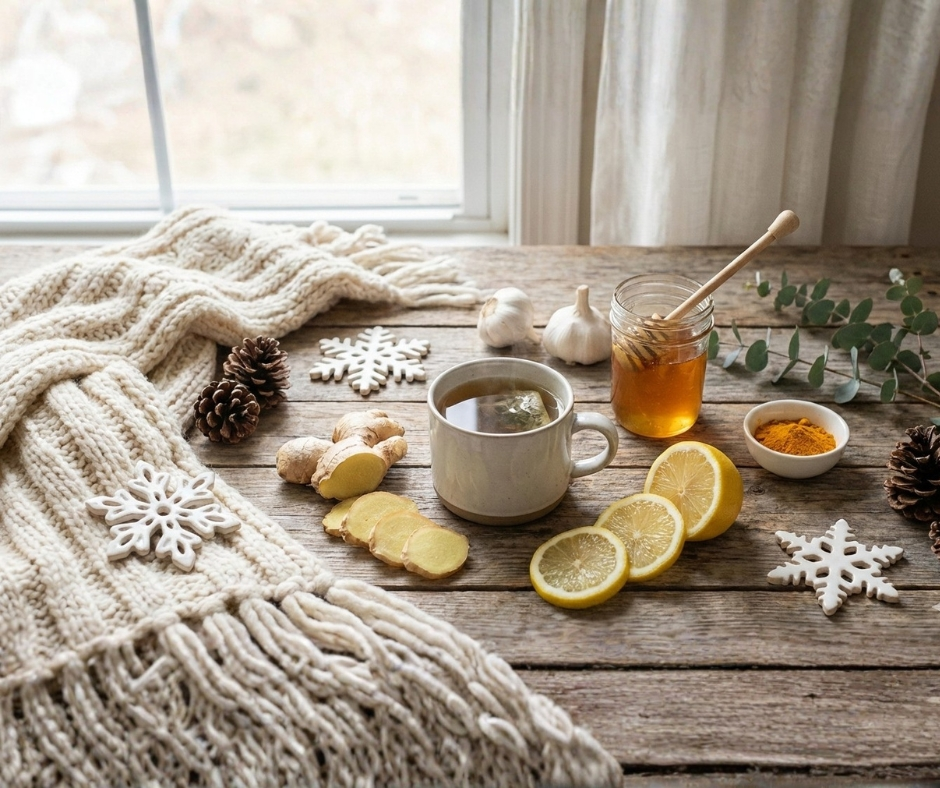
This remedy is perhaps one of the most well-known and loved. The combination of ginger, lemon, and honey creates a powerful drink that’s easy to make and comforting to drink.
Ginger is packed with anti-inflammatory properties and antioxidants that help support immune health. Lemon provides a solid dose of vitamin C, which is known to boost white blood cell production. Honey soothes the throat and adds antimicrobial benefits.
To prepare it, fresh ginger is sliced and simmered in water for about ten minutes. Once removed from the heat, fresh lemon juice is added, followed by a spoonful of honey. It is best consumed warm, especially in the morning or at the first sign of a scratchy throat.
Garlic and Turmeric: A Potent Duo
Garlic has been used for centuries as a natural medicine. It contains a compound called allicin, which has antimicrobial properties. Turmeric, on the other hand, is known for its active ingredient curcumin, which helps reduce inflammation and supports overall health.
These two ingredients can be taken together in a simple mixture. One garlic clove can be crushed and mixed with a small pinch of turmeric powder and a teaspoon of honey to make the flavour more pleasant. This mixture is commonly taken daily in the winter to support immune health.
For those who find the taste too strong, garlic and turmeric can be incorporated into meals. These ingredients blend well into soups, stews, and curries, providing both flavour and health benefits.
Eucalyptus Steam Inhalation for Clear Breathing
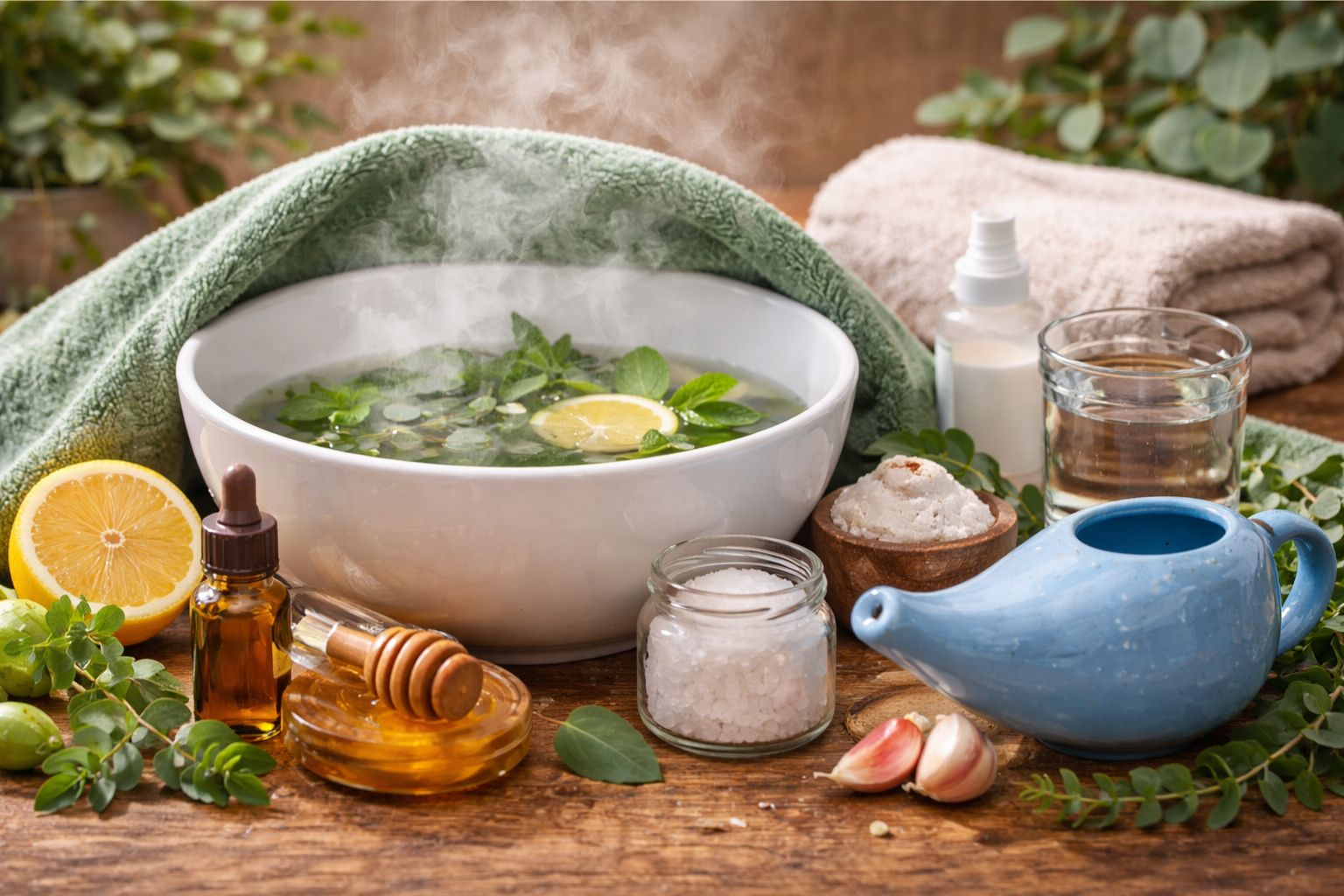
Steam inhalation is an old but effective remedy for nasal congestion and respiratory health. Adding a few drops of eucalyptus oil to the steam can enhance the effects. Eucalyptus oil contains compounds that help relieve symptoms of a cold and sinus congestion, making it easier to breathe.
To try this at home, water is boiled and poured into a bowl. A few drops of eucalyptus essential oil are added. By draping a towel over the head and leaning over the bowl, individuals can breathe in the steam for about 5 to 10 minutes. Caution should be taken with the hot water, and eyes should remain closed to avoid irritation.
This method not only clears the sinuses but also relaxes the body and mind. Practicing this once or twice a week can help maintain respiratory health during the winter.
Vitamin C Smoothies to Fuel the Body
Vitamin C is one of the most important nutrients for immune support. While supplements are available, obtaining vitamins from whole foods is generally more beneficial. Smoothies provide a fun and delicious way to consume immune-boosting fruits and vegetables.
Excellent sources of vitamin C include oranges, strawberries, kiwis, pineapples, and leafy greens like spinach. A blend of these ingredients with water, yogurt, or plant-based milk makes for a refreshing and nutritious drink.
Popular combinations include orange, pineapple, and ginger or strawberry, banana, and spinach. These smoothies offer antioxidants, fibre, and hydration to keep the immune system functioning effectively.
Sleep, Sunlight, and Stress Management: The Lifestyle Trio
While natural ingredients play a big role, lifestyle choices are equally important in keeping the immune system strong. Sleep, sunlight, and stress management are powerful immune boosters that don’t come in a bottle.
Lack of sleep can suppress immune function, increasing susceptibility to infections. Most adults benefit from 7–9 hours of quality sleep each night. Establishing a bedtime routine, reducing screen time before bed, and keeping the bedroom cool and dark can improve sleep quality.
Sunlight exposure helps the body produce vitamin D, which is essential for immune function. A daily outdoor walk of 15–20 minutes, even on cloudy days, can help. When regular sun exposure is not possible, a vitamin D supplement may be considered after consulting a healthcare provider.
Chronic stress releases hormones that can weaken the body’s defences. Effective stress management techniques—such as meditation, journaling, connecting with loved ones, or engaging in physical activity—can significantly improve overall well-being.
Supporting Remedies and Extra Tips
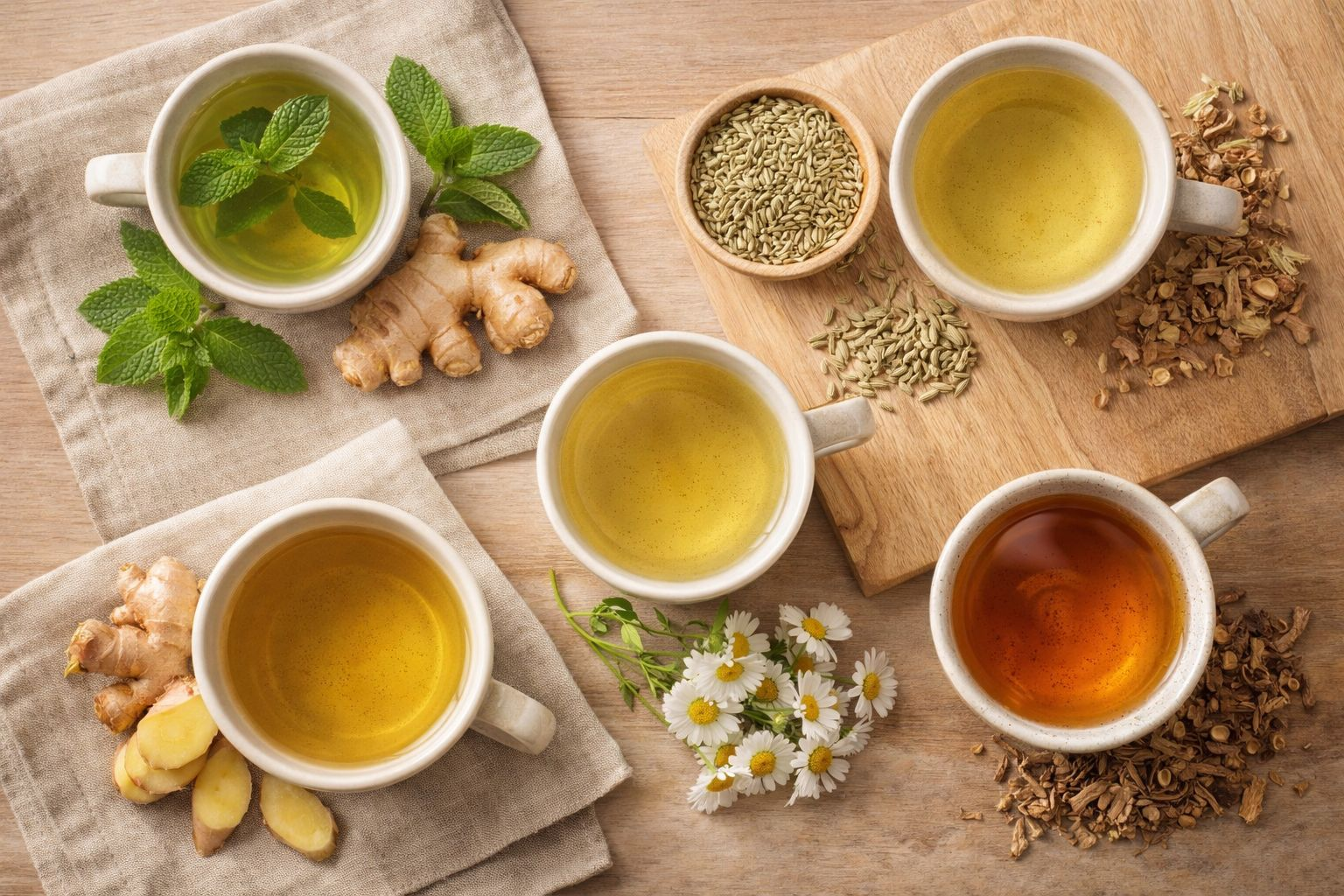
Beyond the top five, other natural options can offer extra support during winter. Herbal teas like elderberry, echinacea, or holy basil (tulsi) are commonly used to strengthen the immune system. Bone broth is another soothing and nutrient-rich option, particularly during recovery from illness.
Staying hydrated is crucial, even in winter. Dry indoor air can lead to dehydration without obvious signs. A balanced diet that includes adequate protein, healthy fats, and fresh produce further supports immune health.
It is also advisable to limit processed foods, excessive sugar, and alcohol, which can negatively affect immune response. Choosing whole foods and preparing home-cooked meals whenever possible is beneficial.
Daily Winter Immunity Routine
Here is a simple daily routine that supports a strong immune system:
- Begin the day with a glass of warm water with lemon.
- Include at least two servings of fruits and vegetables in every meal.
- Enjoy a cup of ginger-lemon tea mid-morning.
- Take a short walk outdoors for sunlight exposure.
- Consume a vitamin C-rich smoothie as an afternoon snack.
- Practice relaxation techniques such as deep breathing or reading before bed.
Frequently Ask Question
Q. What are the best home remedies to boost the immune system in winter?
Ginger tea, garlic with turmeric, vitamin C smoothies, steam inhalation, and herbal teas are popular winter remedies that naturally support immune health and help prevent colds and seasonal illnesses.
Q 2. Can ginger and honey really help prevent colds?
Yes, ginger has anti-inflammatory compounds, and honey has antimicrobial properties. Together, they soothe the throat, reduce congestion, and may help prevent colds when consumed regularly in warm tea.
Q 3. How does garlic improve the immune system?
Garlic contains allicin, a compound known for its antiviral and antibacterial effects. Regular consumption helps stimulate immune responses and protect against common colds and respiratory infections.
Q 4. Is turmeric good for fighting winter infections?
Yes, turmeric’s curcumin is a powerful antioxidant that reduces inflammation and supports immune function. It’s commonly used with milk or honey to help the body fight winter infections.
Q 5. What are natural ways to increase immunity without supplements?
A nutrient-rich diet, quality sleep, daily sunlight, hydration, stress reduction, and home remedies like herbal teas and steam inhalation help naturally boost immunity without relying on supplements.
Q 6. How much vitamin C is needed daily to stay healthy during cold seasons?
Adults generally need 65–90 mg of vitamin C daily. During winter, a slightly higher intake of fruits like oranges, kiwis, and strawberries can help strengthen the immune system naturally.
Q 7. Can steam inhalation with eucalyptus oil prevent sinus infections?
Steam inhalation with eucalyptus oil helps open nasal passages, reduce inflammation, and flush out mucus. It’s a useful natural method for preventing sinus infections and easing winter congestion.
Q 8. Which fruits and vegetables boost immunity the fastest?
Citrus fruits, bell peppers, spinach, broccoli, and berries are rich in antioxidants and vitamins like C and A. These foods help strengthen the immune system and ward off winter illnesses.
Q 9. How do sleep and stress affect immune health in winter?
Lack of sleep and chronic stress can lower the immune response. Getting enough rest and managing stress through mindfulness or relaxation is crucial for maintaining a strong immune system during winter.
Q 10. Are herbal teas like elderberry and tulsi effective for immunity?
Yes, elderberry helps fight cold and flu symptoms, while tulsi (holy basil) reduces stress and inflammation. Both are traditional herbal teas known to support the immune system naturally.
Conclusion
Winter does not have to be a season of constant illness. With the right approach, individuals can stay healthy, energized, and resilient. These home remedies are simple, natural, and supported by both traditional wisdom and modern understanding. Incorporating them into a daily routine helps strengthen the immune system, reduce the likelihood of illness, and make winter a time to enjoy.
Whether starting the day with ginger tea, adding more fruits to meals, or engaging in eucalyptus steam inhalation, each action contributes to overall health. As with all wellness practices, consistency makes the biggest difference. A strong, healthy winter is within reach for anyone willing to take these mindful steps.